Prefects in Nord and Pas-de-Calais have issued an exceptional order banning members of the UK ultra-right group Raise the Colours from entering or assembling anywhere along the Channel coast from Dunkirk to Boulogne until 26 January. The measure, published at 12:30 on 24 January, follows intelligence that the activists planned vigilante “boat-watch” patrols aimed at intercepting asylum seekers.
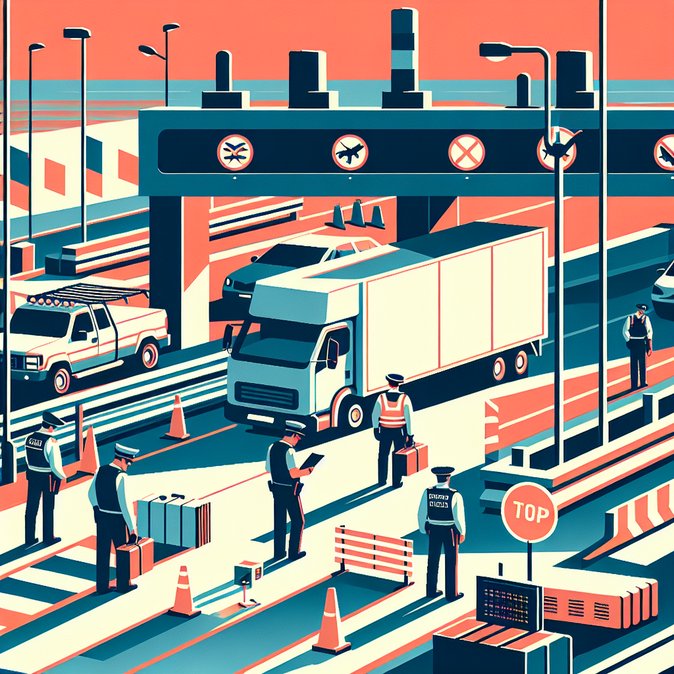
Legal basis. The order relies on Article L212-1 of France’s Internal Security Code, allowing temporary prohibition of foreign nationals whose presence poses a serious threat to public order. Police prefectures will check identities at ferry ports, Eurotunnel terminals and A16 motorway rest areas; violators face immediate deportation and a one-year Schengen entry ban.
![France Bars British Far-Right ‘Operation Overlord’ Protest in Calais Corridor]()
Implications for mobility. Cross-Channel passenger and freight flows are expected to continue but with stepped-up random checks, adding dwell time for coaches and corporate shuttle vans. Companies moving seasonal staff or high-value cargo through Calais should brief drivers to carry full ID and allow extra clearance time. Human-rights NGOs welcomed the ban, saying previous confrontations had disrupted aid deliveries in the Grande-Synthe camps.
Broader context. The clamp-down comes as small-boat crossings hit 931 so far this year. Paris and London are negotiating a new returns protocol that could see faster transfer of intercepted migrants back to France—talks likely to inflame activist rhetoric on both sides of the Channel.
Next moves. Interior-minister Bruno Retailleau indicated similar bans may be used against continental extremist networks seeking to exploit migration flash-points ahead of France’s 2026 regional elections.
Legal basis. The order relies on Article L212-1 of France’s Internal Security Code, allowing temporary prohibition of foreign nationals whose presence poses a serious threat to public order. Police prefectures will check identities at ferry ports, Eurotunnel terminals and A16 motorway rest areas; violators face immediate deportation and a one-year Schengen entry ban.
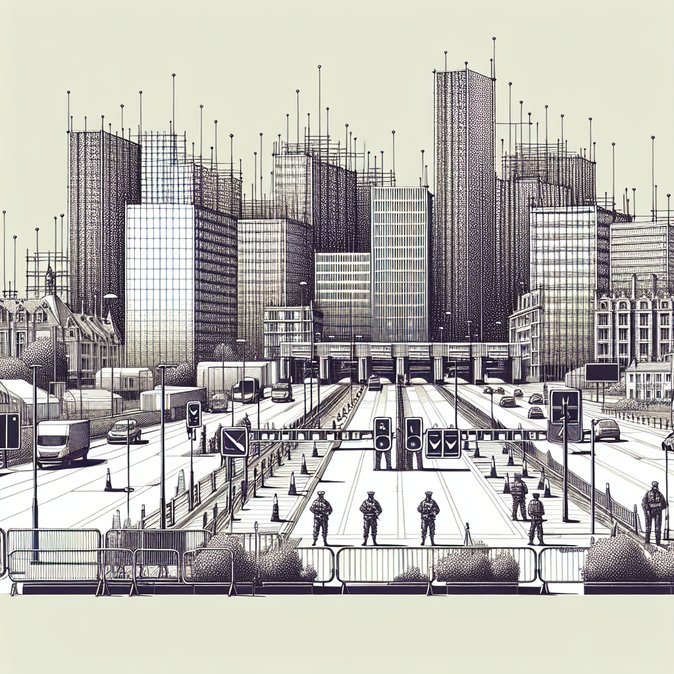
Implications for mobility. Cross-Channel passenger and freight flows are expected to continue but with stepped-up random checks, adding dwell time for coaches and corporate shuttle vans. Companies moving seasonal staff or high-value cargo through Calais should brief drivers to carry full ID and allow extra clearance time. Human-rights NGOs welcomed the ban, saying previous confrontations had disrupted aid deliveries in the Grande-Synthe camps.
Broader context. The clamp-down comes as small-boat crossings hit 931 so far this year. Paris and London are negotiating a new returns protocol that could see faster transfer of intercepted migrants back to France—talks likely to inflame activist rhetoric on both sides of the Channel.
Next moves. Interior-minister Bruno Retailleau indicated similar bans may be used against continental extremist networks seeking to exploit migration flash-points ahead of France’s 2026 regional elections.
Source: TF1 Info