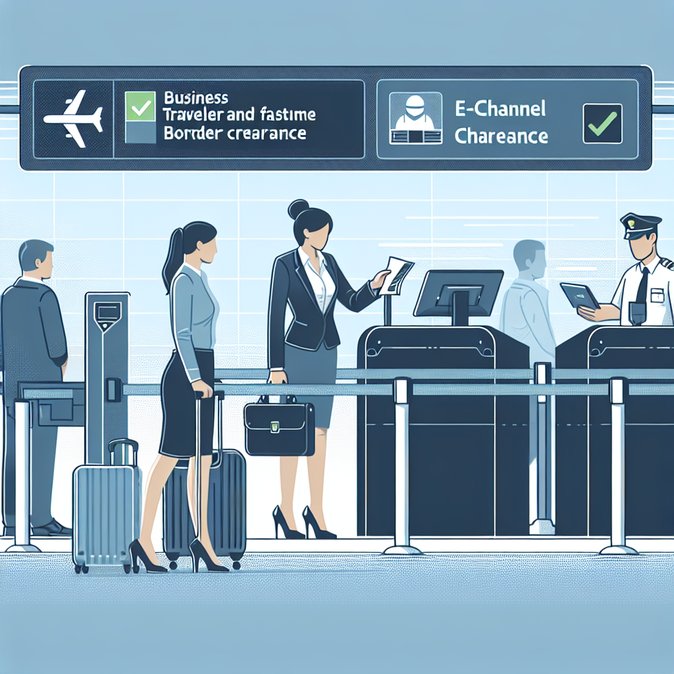
The Immigration Department announced a significant upgrade to its automated border-control programme on 26 February 2026. From 27 February, any non-resident who has entered Hong Kong via the airport at least twice in the previous 24 months may enrol free-of-charge for the self-service e-Channel system. Previously, the service was largely limited to travellers holding specific frequent-visitor endorsement labels or airline crew credentials. Registration has been streamlined to a two-minute process at dedicated counters in the arrival halls. Visitors with e-passports now need only present the document, have a photo taken and sign a consent form; fingerprints are no longer collected. Once enrolled, passengers can use facial-recognition lanes at all land, sea and air crossings, reducing clearance to about 20 seconds and eliminating the need to queue for a manual stamp. Officials expect the change to shave peak-hour wait times by up to 30 percent during mega-events such as Art Basel and the Rugby Sevens, when corporate travellers and exhibitors tend to arrive in clusters. Airlines, hotels and conference organisers have been invited to pre-register VIPs to avoid bottlenecks on arrival day. For multinational companies the wider eligibility is a welcome facilitation: regional executives who shuttle in several times a year can now clear immigration as quickly as resident staff, improving doorstep-to-desk journey times and reducing duty-of-care risks associated with long queues. Travel-management firms say they will update client itineraries to flag the enrolment desks and recommend that frequent travellers complete registration during their first 2026 trip. The e-Channel expansion is part of a broader border-modernisation plan that will see 26 new smart lanes installed at the airport and high-speed-rail terminus before the 2027 National Games. Authorities are also testing biometric exit kiosks that could eventually allow completely touch-less departures.