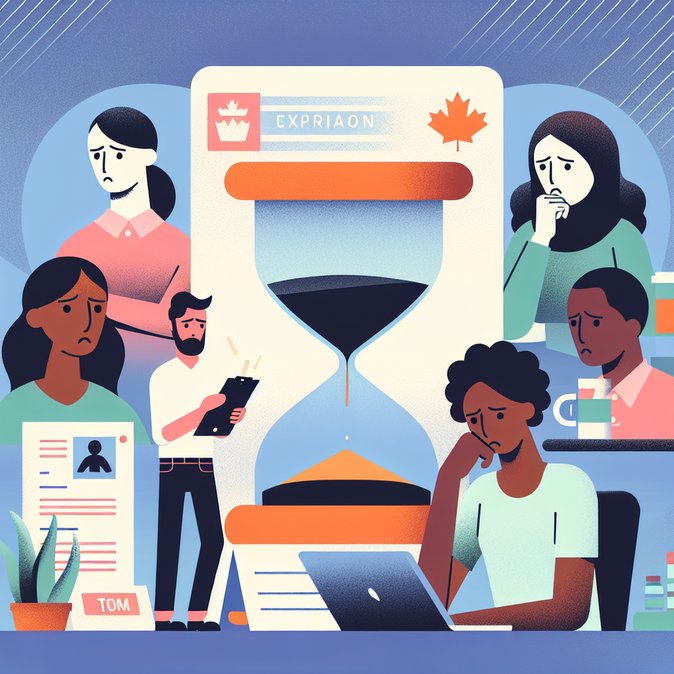
Internal Immigration, Refugees and Citizenship Canada (IRCC) data obtained via an Access to Information request show that 314,538 temporary work permits will expire between 1 January and 31 March 2026—the largest single-quarter expiry wave in Canadian history. The figures, released by Immigration News Canada on 5 March 2026, largely cover Post-Graduation Work Permit (PGWP) and Spousal Open Work Permit (SOWP) holders issued during the pandemic recovery period of 2023-24. At stake is the legal status of hundreds of thousands of employees across every province. Unless holders file extension or permanent-residence applications before the printed expiry date, they will fall out of status, forcing employers to terminate contracts and exposing individuals to removal. IRCC processing times for in-Canada work-permit extensions have already ballooned to an average of 258 days—40 % longer than a year ago—raising fears that even timely applications could leave workers in limbo. Multinational employers are bracing for disruption. The technology sector alone employs an estimated 42,000 PGWP holders; construction and health care also rely heavily on open-permit labour. Companies are rushing to issue new job offers that would support Labour Market Impact Assessment (LMIA) applications or provincial-nominee nominations, but the surge is straining HR capacity and specialist legal counsel. Policy analysts note that the expiry spike is not accidental. Ottawa’s 2026-28 Immigration Levels Plan aims to trim the share of non-permanent residents from 7 % of the population to under 5 % by 2028. Allowing a large cohort of permits to lapse—without a matching expansion of permanent-residence spots—creates what critics call a “planned attrition” of temporary residents. Only 380,000 economic and family PR places are budgeted for 2026, leaving a gap of roughly one million people whose temporary status may end this year. Foreign workers with March expiries have three practical windows: 1) apply to extend before the deadline and work under maintained status; 2) file within 90 days for restoration; or 3) leave Canada and seek a fresh permit abroad. Employers are advised to audit their foreign-workforce roster immediately, prioritise high-skill talent for Express Entry or Provincial Nominee Program pathways, and communicate realistic timelines to business units.
Source: Immigration News Canada