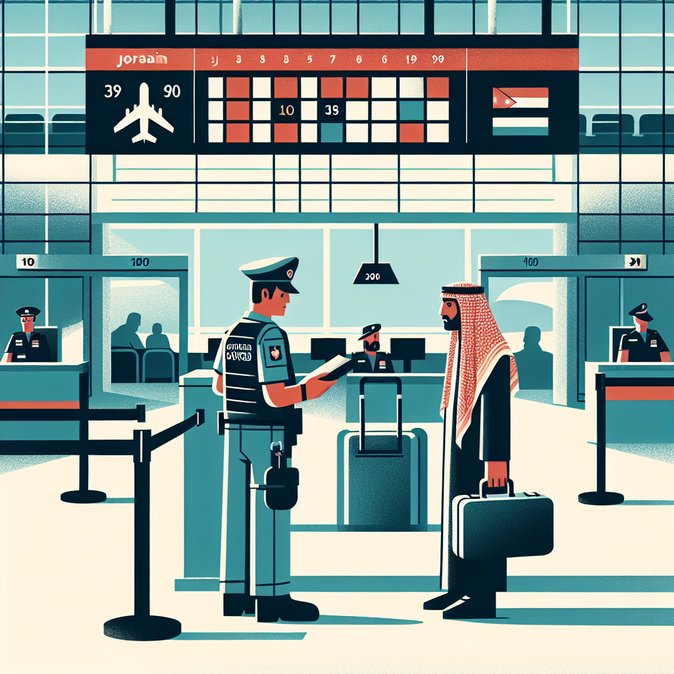
A routine passport inspection at Kraków’s John Paul II International Airport on 7 May ended with the detention of a 46-year-old Jordanian passenger arriving from Larnaca, Cyprus. Border Guard officials discovered that the traveller had exceeded his previous 90-day visa-free allowance in the Schengen Area by 45 days and lacked a valid national visa. Under Article 14 of the Schengen Borders Code, officers issued an immediate refusal of entry and placed the individual in a secure holding room pending the next available return flight. He may also face a multi-year re-entry ban, a sanction that is automatically notified to other Schengen states via the SIS II database. The incident is a reminder that Schengen overstays—even if committed in another member state—are visible to Polish systems once biometric data are captured. Employers sending business travellers on multi-country tours should track days spent in the zone carefully, especially since Poland activated the EU Entry/Exit System (EES) last month, making detections automatic. The Border Guard said four similar cases were recorded at Kraków-Balice in April, compared with just one in the same month last year, suggesting that the new biometric database is already increasing enforcement efficiency.
Source: Onet.pl