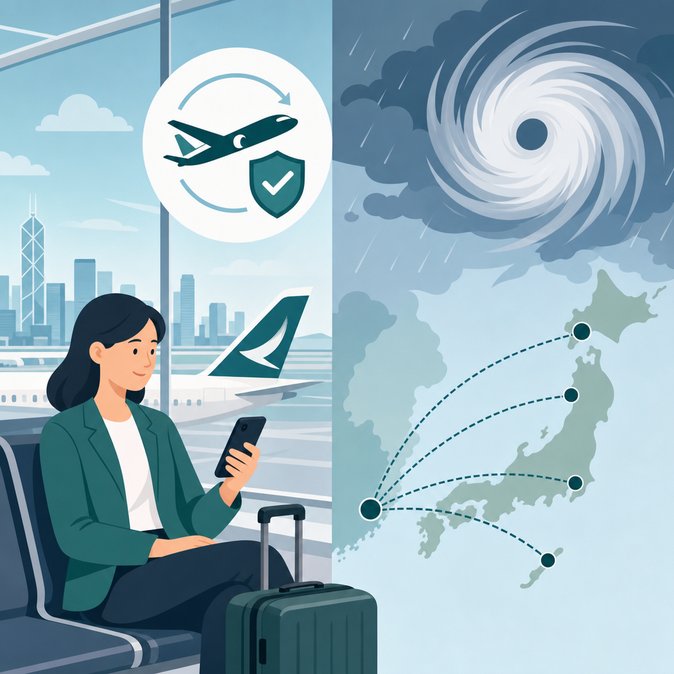
Cathay Pacific has activated its Special Ticketing Guidelines in response to Typhoon Jangmi, which is forecast to brush Japan’s Kansai and Kanto regions on 3 June. The policy, published on 2 June at 14:13 HKT, allows passengers holding tickets issued on or before 2 June for travel to or from Osaka, Nagoya, Tokyo Narita or Tokyo Haneda on 3 June to rebook or reroute without administrative charges, provided the new journey is completed by 7 June. Fare and tax differences may still apply, and no-show passengers are excluded from the waiver. The announcement is significant for Hong Kong-based corporates, as Japan is the SAR’s second-largest short-haul market for incentive travel and supplier visits. According to Cathay’s corporate-sales team, more than 6,500 Hong Kong-origin passengers were scheduled on the affected routes during the 24-hour window, including numerous MICE groups heading to Tokyo trade fairs. Travel managers should urgently advise travellers to adjust itineraries if meetings can shift virtually, or to consider rerouting via Fukuoka, Seoul or Taipei, where onward domestic flights are operating normally. Cargo planners have also been alerted: Jangmi may disrupt ramp operations at Kansai International Airport, which handles high-value perishable exports to Hong Kong’s F&B sector. The airline’s freighter division is assessing payload restrictions and has instructed shippers to tender time-critical consignments at least six hours before scheduled departure. Cathay’s proactive waiver mirrors a trend among Asia-Pacific carriers to publish standardised disruption playbooks as typhoon seasons lengthen under climate-change models. The move reduces call-centre congestion and empowers TMCs to self-service changes through GDS systems by inserting an endorsement code (“2026-COMP045”) on reissued tickets. Companies with strict travel-policy approval steps should note that the waiver period closes on 3 June; further changes will incur normal fees. Looking ahead, the Hong Kong Observatory expects Jangmi to veer northeast and clear Japan by 4 June, but the experience emphasises the importance of flexible booking classes and travel-risk alerts in corporate mobility programmes, especially during peak East-Asia typhoon months from June to September.
How VisaHQ can help
VisaHQ simplifies the visa application process for individuals and businesses. Check current travel requirements, prepare the required documents and manage your application online through the VisaHQ Hong Kong portal.More From Hong Kong
View all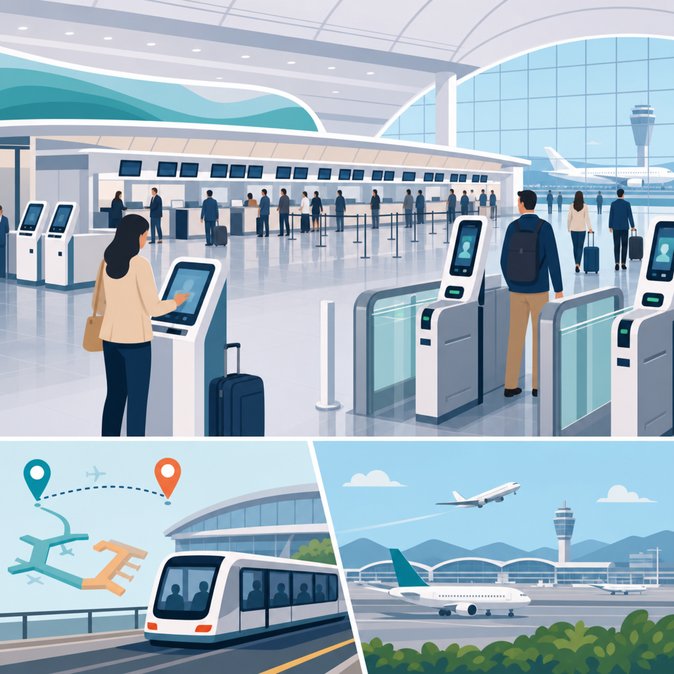
Hong Kong International Airport’s New Terminal 2 Begins Operations, 15 Airlines Shifting Check-in Counters
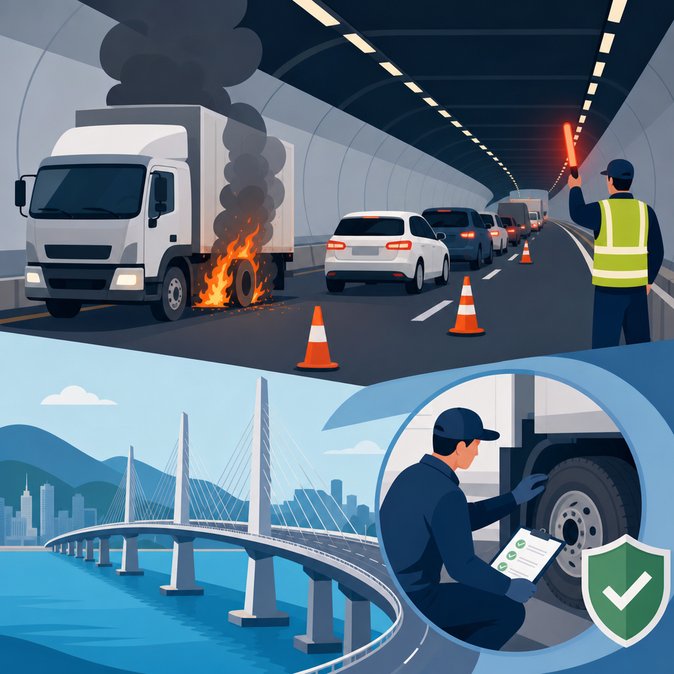
Vehicle Fire Temporarily Shuts Hong Kong–Zhuhai–Macau Bridge Tunnel, Causing Major Cross-Border Delays