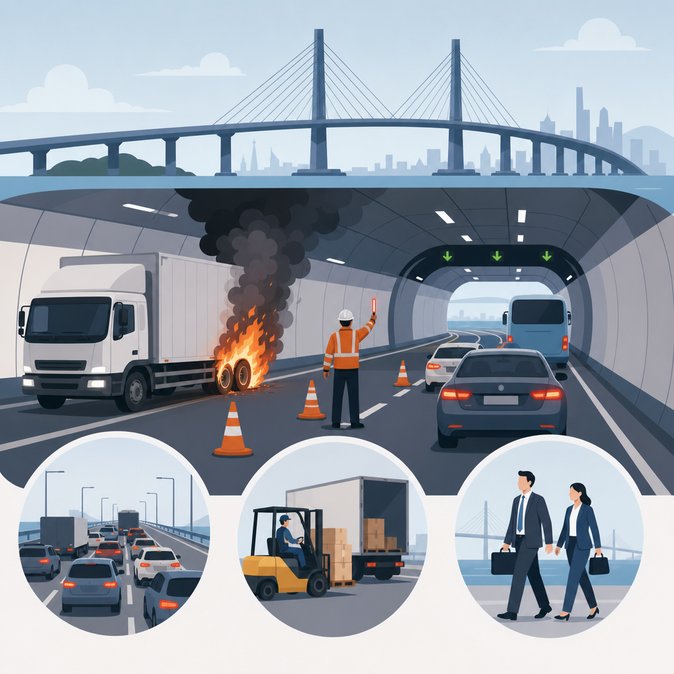
A tyre blaze on a goods vehicle inside the under-sea tunnel of the Hong Kong–Zhuhai–Macau Bridge (HZMB) triggered an emergency closure of two westbound lanes just after 13:00 on 2 June, forcing authorities to divert traffic and causing tailbacks that stretched several kilometres on both sides of the boundary. The bridge, which normally carries over 40,000 passengers and 5,000 cargo vehicles daily between Hong Kong, Zhuhai (China) and Macau, was fully reopened within an hour after firefighters extinguished the flames and structural engineers cleared the tunnel for use. No casualties were reported. For mobility planners, the incident was a reminder of the bridge’s single-point-of-failure risk in multimodal routings that depend on just-in-time cross-border deliveries. Transportation teams for electronics exporters in the Shenzhen-Hong Kong corridor reported delays of up to 90 minutes getting shipments to Hong Kong International Airport’s cargo terminals; some carriers initiated contingency routings via the Shenzhen Bay and Heung Yuen Wai checkpoints. Passenger coach operators running corporate shuttles to Macau’s Cotai resorts re-timed departures for the remainder of the day and advised travellers to allow additional buffer when scheduling meetings. The HZMB Authority said initial investigation suggested the fire was limited to a single truck tyre and did not compromise the tunnel’s fire-suppression lining. Nevertheless, the Transport and Logistics Bureau ordered an immediate safety review of heavy-vehicle inspection protocols and plans to trial thermal cameras capable of detecting overheated wheel hubs before vehicles enter the 6.7-km tube. Employers holding insurance for cross-boundary travel should verify that policy wording covers delays caused by infrastructure incidents rather than weather. Since full reopening of Mainland-Hong Kong borders in early 2024, daily cross-boundary movements have grown 35 %, raising concerns about redundancy on the Pearl River Delta’s western crossing points. Analysts note that international businesses using “GBA factory–HK export hub” supply chains need up-to-date emergency routing procedures, including the possibility of ferry or air-cargo alternatives if the bridge faces extended closures in the future. While Tuesday’s disruption was resolved quickly, the episode underscores the need for real-time traffic monitoring in travel-management dashboards and proactive communication with travellers and logistics partners during peak holiday and typhoon seasons.
Source: South China Morning Post
How VisaHQ can help
VisaHQ simplifies the visa application process for individuals and businesses. Check current travel requirements, prepare the required documents and manage your application online through the VisaHQ Hong Kong portal.More From Hong Kong
View all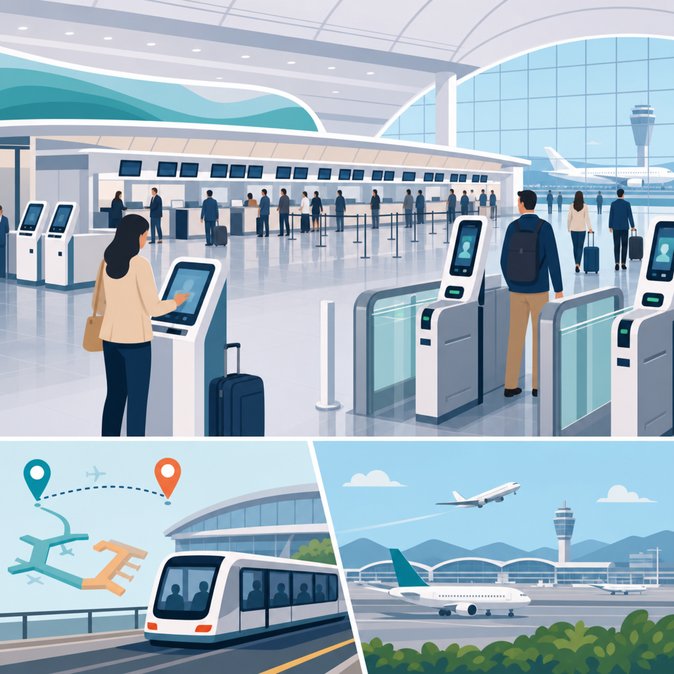
Hong Kong International Airport’s New Terminal 2 Begins Operations, 15 Airlines Shifting Check-in Counters
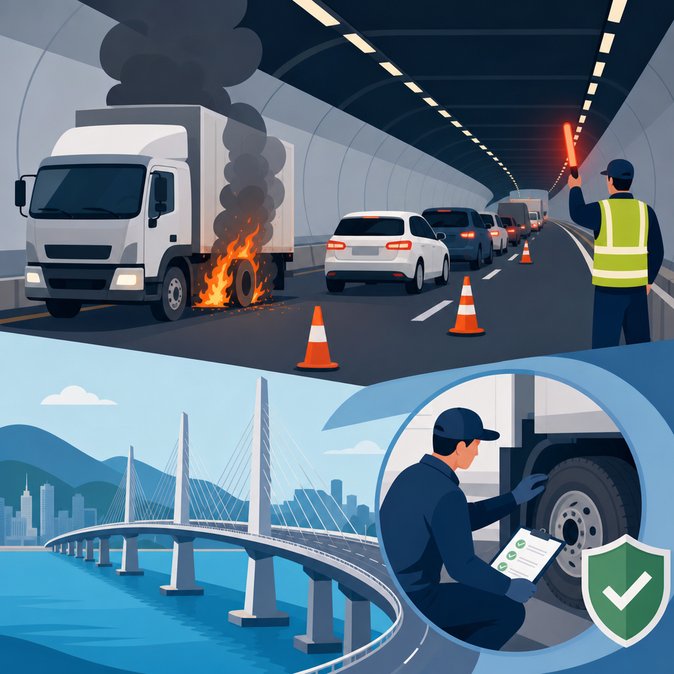
Vehicle Fire Temporarily Shuts Hong Kong–Zhuhai–Macau Bridge Tunnel, Causing Major Cross-Border Delays