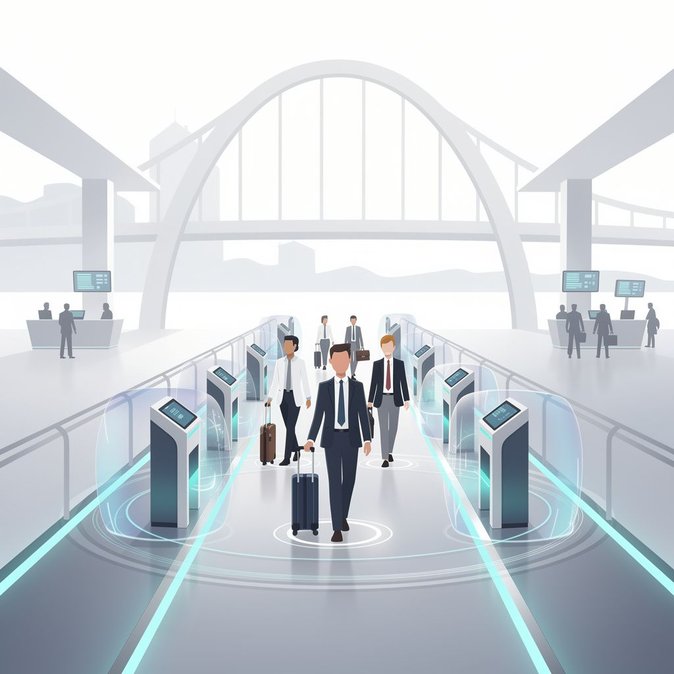
Authorities confirmed on 11 June that the redeveloped Huanggang Port Building—set to replace the current Lok Ma Chau/Huanggang facility—will open as early as mid-July with a “collaborative inspection and joint clearance” model and 134 automated channels. Travellers will present documents once, under one roof, slashing end-to-end immigration processing from an average 30 minutes to as little as five. The new hall is designed to handle 200,000 passenger trips per day and will operate 24 hours, maintaining the corridor’s status as the only round-the-clock land link between Hong Kong and mainland China. The Shenzhen side will connect directly to the city’s metro Line 7 extension, while Hong Kong is upgrading feeder bus bays and ride-hailing pick-up zones to absorb the expected traffic surge. For businesses, the impact is significant: Huanggang sits within 30 minutes of Shenzhen’s Futian CBD and less than an hour from Hong Kong International Airport, creating a high-speed conduit for executives shuttling between finance, tech-hardware manufacturing and investor meetings. Freight forwarders anticipate parallel gains once the cargo wing comes online later this year with joint X-ray inspection for pallets, eliminating duplicate scans. The joint-inspection concept is modelled on the one-stop clearance already in use on the high-speed rail link at West Kowloon. Legal experts note that each jurisdiction retains full enforcement authority within delineated zones of the building, but data-sharing APIs now synchronise exit-entry records in near real time, preventing duplicate overstays and improving analytics on traveller flows. HR teams should update travel-risk assessments: while clearance is faster, compliance checks (e.g., work-permit validity, proof of onward accommodation) remain stringent. Travellers whose fingerprints or face data are not enrolled in either system must still use manual lanes, so pre-enrolment drives are recommended for frequent travellers.
Source: South China Morning Post