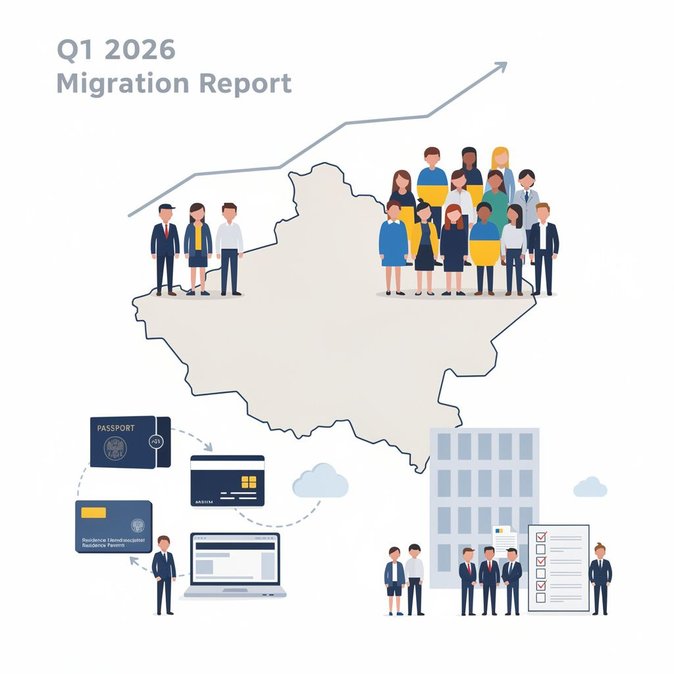
At midnight on 12 June 2026 the European Union’s long-debated Pact on Migration and Asylum finally moved from theory to practice. The ten inter-linked regulations recast everything from asylum-procedure timelines to reception-centre standards and a new external-border “screening mechanism.” The European Union Agency for Asylum (EUAA) hailed the day as “a profound reform of the Common European Asylum System,” noting that it had already drafted more than sixty practical guides to help national authorities roll the rules out. For Czechia the most eye-catching feature is a negotiated exemption from the Pact’s so-called “mandatory solidarity pool,” which obliges most member states either to accept relocated asylum seekers or to pay into a common fund. Under an opt-out hammered out during the legislative trilogues, Prague may continue to meet its solidarity obligation primarily through financial or operational support rather than compulsory relocations. Domestic commentators nevertheless stress that the country must still comply with the Pact’s accelerated border-screening procedures, strict return deadlines and tougher rules on detention. The Ministry of the Interior has already begun drafting implementing legislation amending Act 326/1999 Sb. on the Residence of Foreign Nationals. Officials say new electronic pre-registration kiosks will be piloted at Václav Havel Airport this summer to capture biometric data within the 48-hour window mandated by the screening regulation. Corporate mobility managers should expect tighter documentation checks for short-term assignees from visa-exempt countries and the possibility of secondary questioning if travellers trigger the new risk-analysis algorithm. Business groups broadly welcome the predictability the Pact brings, especially its promise to reduce so-called “orbit cases,” where transferees are bounced between EU states while their responsibility is determined. However, they worry that the shorter appeal deadlines could leave employers scrambling to replace highly-skilled candidates whose applications are rejected early in the process. Immigration advisers recommend building at least two extra weeks into assignment start dates until the new workflow stabilises. In the coming months Prague will have to report quarterly to the European Commission on implementation progress. Failure to hit milestones could jeopardise EU funding for reception-capacity upgrades, so stakeholders expect the government to move quickly despite public scepticism. For companies moving talent into Czechia the immediate takeaway is clear: compliance paperwork will increase in the short term, but a more harmonised EU framework should ultimately reduce cross-border surprises.
Source: EUAA / TN.cz