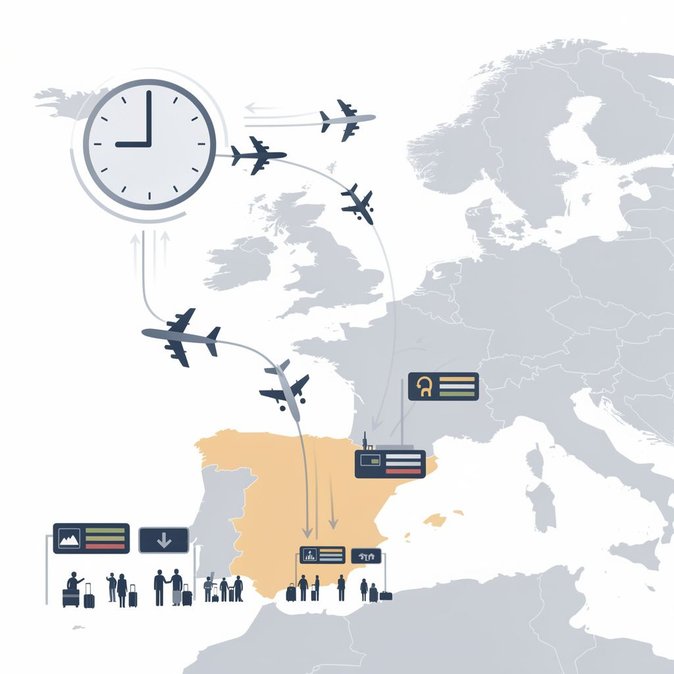
A regional analysis by The Spanish Eye reveals that Andalucía is set to serve as a major testing ground for the EU’s new accelerated-return procedure, part of the European Pact on Migration and Asylum that entered into force on 12 June. Under the rules, Spanish authorities will have just five days to decide whether an irregular migrant can lodge a full asylum claim before initiating deportation. Andalucía’s location opposite Morocco, coupled with existing reception centres in Algeciras and San Roque, makes it the logical hub for the “fictional-border” concept: migrants are processed and—if rejected—removed without being deemed to have formally entered Spanish territory. The Ministry of the Interior is finalising upgrades to the Algeciras Detention Centre, adding 360 extra beds and biometric-capture booths funded partly by EU Internal Security Facility grants. Supporters argue that the streamlined model will deter dangerous sea crossings and ease pressure on overstretched reception systems. Critics counter that the compressed timeline leaves little room for legal counsel or appeal, potentially breaching EU fundamental-rights standards. Regional NGOs in Cádiz and Málaga have already formed a pro-bono network to provide ‘48-hour legal kits’—pre-filled appeal templates and on-call interpreters. For multinationals operating logistics hubs in Algeciras Bay or tech parks in Málaga, the new regime may alter corporate social-responsibility expectations. Companies employing seasonal North-African labour in agriculture or construction could also see heightened scrutiny of work-permit compliance as authorities draw sharper distinctions between regular and irregular pathways. Madrid insists that Andalucía’s experience will inform a nationwide rollout by October. Mobility advisers recommend that employers engaging third-country nationals in southern Spain monitor local processing times, maintain up-to-date documentation and prepare contingency support for any employees caught in expedited screenings.
Source: The Spanish Eye