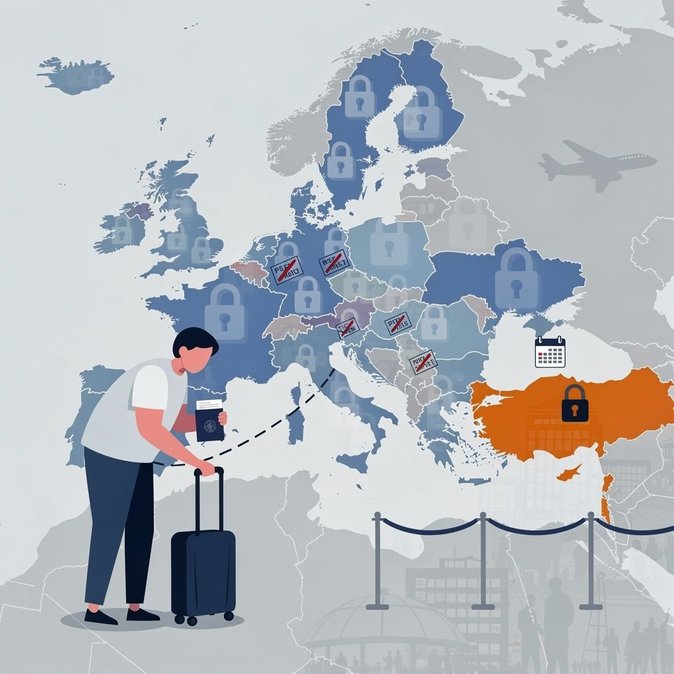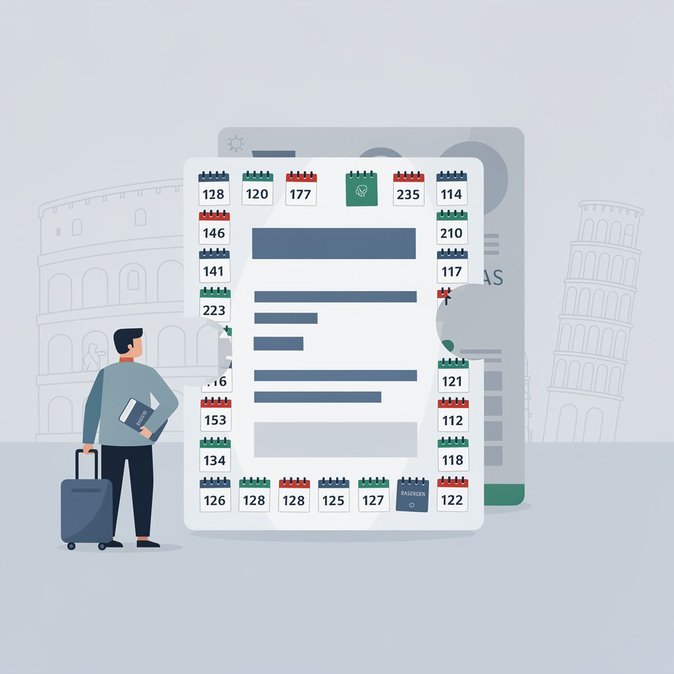
Russian applicants hoping to secure flexible multi-entry Schengen visas are facing sharply tougher odds: data compiled by Moscow-based AK&M and cited on 13 June show a 90 % year-on-year drop in the share of long-validity visas issued. Italy—historically one of the most popular consular destinations for Russian leisure and shopping trips—has adjusted its practice in line with EU guidelines adopted in 2024 following Russia’s invasion of Ukraine.
For applicants who find the new rules daunting, the VisaHQ platform can streamline the process: its Italian visa page (https://www.visahq.com/italy/) outlines current requirements, offers document checklists and appointment scheduling assistance, and allows users to track application status in real time.
Consular sources say Italian posts in Moscow and St Petersburg now issue mainly single-entry visas tied to specific travel dates, with validity rarely exceeding 15 days. Applicants with impeccable travel history can occasionally secure double-entry documents, but the days of three-year multi-entry ‘tourist business’ visas appear over. Processing times are lengthening as well: visa-service companies warn clients to expect up to four weeks, compared with the pre-war norm of 10–14 days. Peak-season demand therefore risks spilling into July, when appointment slots for August travel are already scarce. For Italian luxury retailers—who saw a surge of high-spending Russian tourists in early 2023—the shift could dampen revenues just as post-pandemic recovery stabilises. Corporate mobility is indirectly affected. Russian executives invited to Italy for training or board meetings must now schedule trips around narrower visa windows, complicating multi-country itineraries that previously relied on one Schengen sticker. Employers should factor in additional lead time, verify that invitation letters specify precise entry/exit dates and, where crucial, explore national-visa options valid only for Italy. EU officials insist the policy is not a blanket ban; rather, it reflects a case-by-case security assessment. Nonetheless, the practical outcome is clear: until geopolitical tensions ease, Russian nationals—even frequent flyers—should plan for single-purpose visas and be prepared to document accommodation, insurance and return tickets in greater detail.
For applicants who find the new rules daunting, the VisaHQ platform can streamline the process: its Italian visa page (https://www.visahq.com/italy/) outlines current requirements, offers document checklists and appointment scheduling assistance, and allows users to track application status in real time.
Consular sources say Italian posts in Moscow and St Petersburg now issue mainly single-entry visas tied to specific travel dates, with validity rarely exceeding 15 days. Applicants with impeccable travel history can occasionally secure double-entry documents, but the days of three-year multi-entry ‘tourist business’ visas appear over. Processing times are lengthening as well: visa-service companies warn clients to expect up to four weeks, compared with the pre-war norm of 10–14 days. Peak-season demand therefore risks spilling into July, when appointment slots for August travel are already scarce. For Italian luxury retailers—who saw a surge of high-spending Russian tourists in early 2023—the shift could dampen revenues just as post-pandemic recovery stabilises. Corporate mobility is indirectly affected. Russian executives invited to Italy for training or board meetings must now schedule trips around narrower visa windows, complicating multi-country itineraries that previously relied on one Schengen sticker. Employers should factor in additional lead time, verify that invitation letters specify precise entry/exit dates and, where crucial, explore national-visa options valid only for Italy. EU officials insist the policy is not a blanket ban; rather, it reflects a case-by-case security assessment. Nonetheless, the practical outcome is clear: until geopolitical tensions ease, Russian nationals—even frequent flyers—should plan for single-purpose visas and be prepared to document accommodation, insurance and return tickets in greater detail.