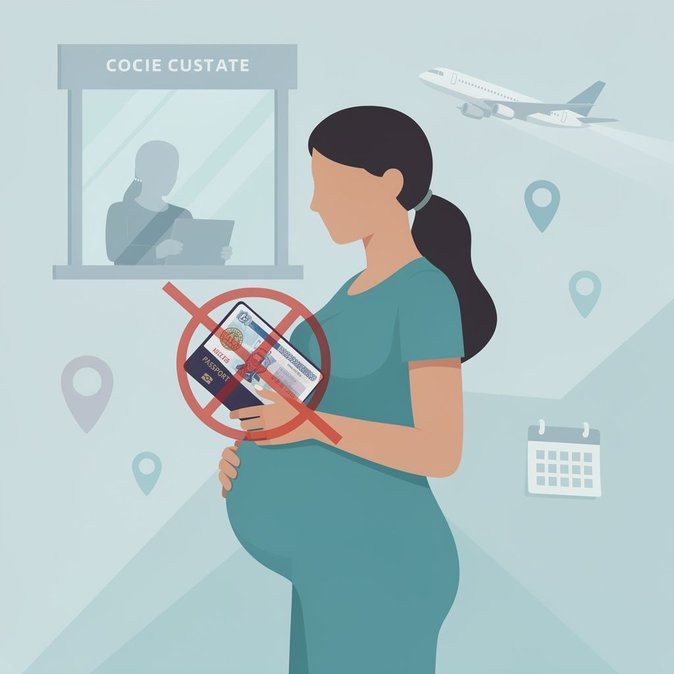
The State Department has revoked “hundreds” of B-1/B-2 visitor visas it says were tied to organized “birth tourism” networks that coach pregnant women to deliver babies in the United States so their children obtain citizenship. In a June 12 announcement on X (formerly Twitter), officials said consular teams in West Africa, North Africa, and Eastern Europe had uncovered fraudulent documentation and broker-driven schemes going back to 2024. Under U.S. law, entering primarily to give birth violates visitor-visa intent rules, yet enforcement has historically been sporadic. The latest action signals a more aggressive posture: embassies used data analytics to flag unusual travel patterns and cross-referenced hospital records with visa-issuance data. Investigations led to at least six corporate entities being barred under INA §212(a)(6)(C) for material misrepresentation. For legitimate business travelers and tourists, the crackdown may translate into closer scrutiny of pregnancy-related medical documents and more intrusive questioning at interviews. Airlines transporting visibly pregnant passengers could also face carrier fines if travelers are found inadmissible on arrival. Legal experts advise companies sponsoring short-term travel for employees’ spouses to ensure itinerary paperwork demonstrates clear business or tourism purposes unrelated to childbirth. They also warn that consular officers now have wider discretion to revoke visas retroactively if post-issuance evidence of birth-tourism intent emerges. While the number of affected visas is small relative to overall B-class issuances, the action aligns with broader administration efforts to tighten non-immigrant visa compliance ahead of the 2026 World Cup influx.
Source: Hindustan Times