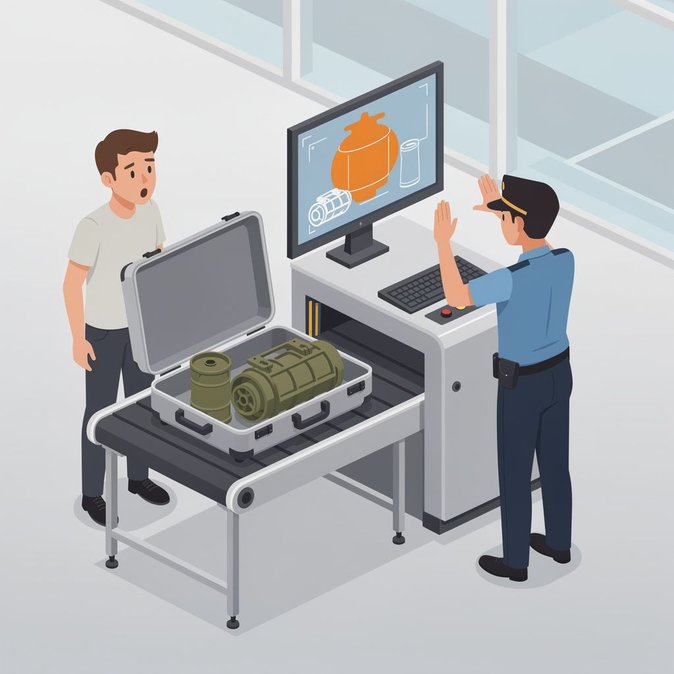
Transportation Security Administration (TSA) officers at Dayton International Airport found a training-aid anti-tank mine in a passenger’s carry-on bag earlier this month, the agency confirmed in a June 13 blog post. Although inert, the device is prohibited in both carry-on and checked luggage and triggered an explosives specialist call-out that slowed checkpoint throughput. Deputy Federal Security Director Daniel Narowitz praised officers’ vigilance and reminded travelers that replica explosives, even harmless ones, can shut down lanes and result in civil penalties up to US$14,950. The incident comes as U.S. airports brace for record volumes tied to the World Cup and June 19 holiday weekend. Corporate travel managers should reiterate “no replicas” policies in pre-trip briefings and ensure sales teams avoid bringing inert demo equipment through security. Employers whose staff carry manufacturing samples or training props should use cargo channels instead. TSA processed more than 2.9 million passengers on June 7, the highest single-day volume since 2019. With staffing stretched by the partial DHS shutdown earlier this year, even benign prohibited items risk cascading delays that can cause missed connections and re-accommodation costs.
Source: 700 WLW Aviation Blog