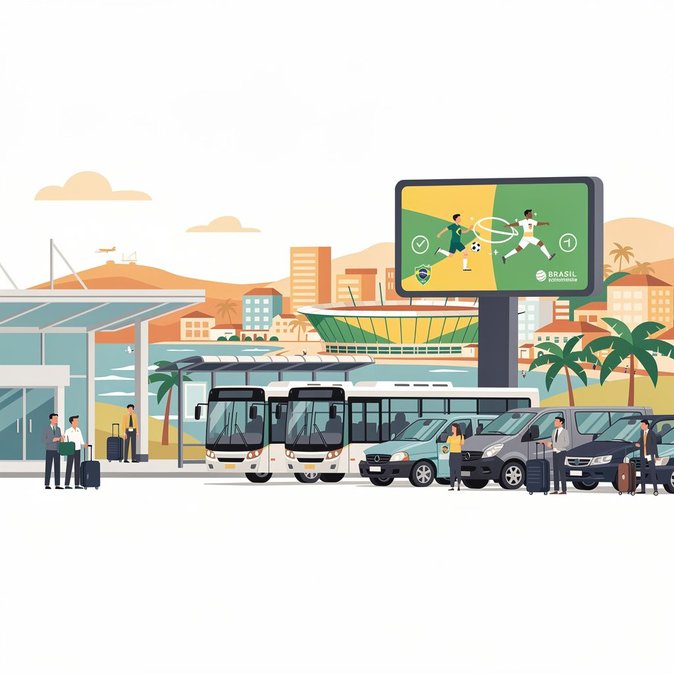
The Salvador city bus drivers’ union announced on 14 June that all routes scheduled to depart during Brazil’s FIFA World Cup fixtures will remain parked in terminals for the duration of each game. Vehicles already on the road at kick-off will complete their runs, but no new departures will be authorised until the final whistle. The measure, backed informally by the municipal transport authority (SEMOB) for security reasons, is expected to affect roughly 380,000 passenger journeys per match and could create gridlock around Luís Eduardo Magalhães International Airport, where over 40 percent of arriving travellers rely on public buses for the last mile into the city centre. Ride-hailing platforms see the policy as an opportunity; 99 and Uber have already issued surge-pricing caps to avoid reputational backlash. Business-traveller impact will be felt most by consultants shuttling between downtown hotels and the Camaçari petrochemical complex. Employers are booking charter vans or adjusting meeting times to avoid match windows (19:00 Brasília Time on 14, 19 and 25 June). Hotels near the Pelourinho report occupancy surges of up to 92 percent as firms move staff into walking distance of client sites. Global mobility teams should circulate updated ground-transport plans and prepare per-diem allowances for taxi receipts, as the city’s light-rail project—originally slated to ease match-day congestion—remains behind schedule. Travellers transiting through Salvador onward to oil rigs via helicopter should allow an extra 90 minutes for road transfers or arrange private shuttles through airport FBOs.
Source: Portal Salvador FM
How VisaHQ can help
VisaHQ simplifies the visa application process for individuals and businesses. Check current travel requirements, prepare the required documents and manage your application online through the VisaHQ Brazil portal.More From Brazil
View all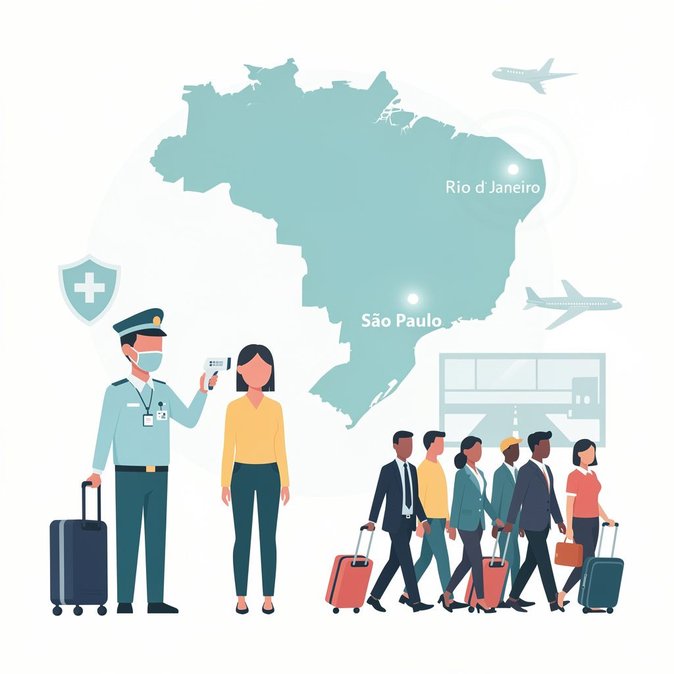
Brazilian Health Ministry rules out Ebola after two suspected cases in Rio and São Paulo
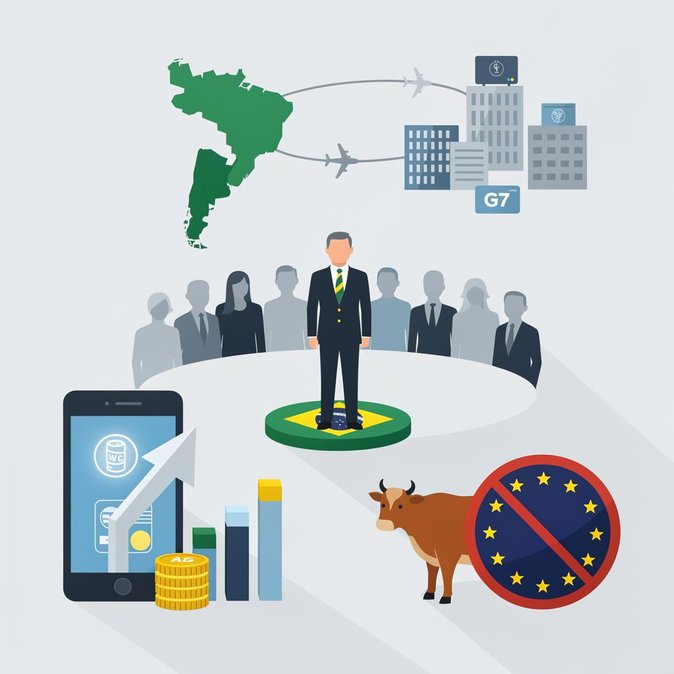
President Lula departs for G7 summit in France, raising expectations for breakthrough on U.S. tariffs and EU meat ban