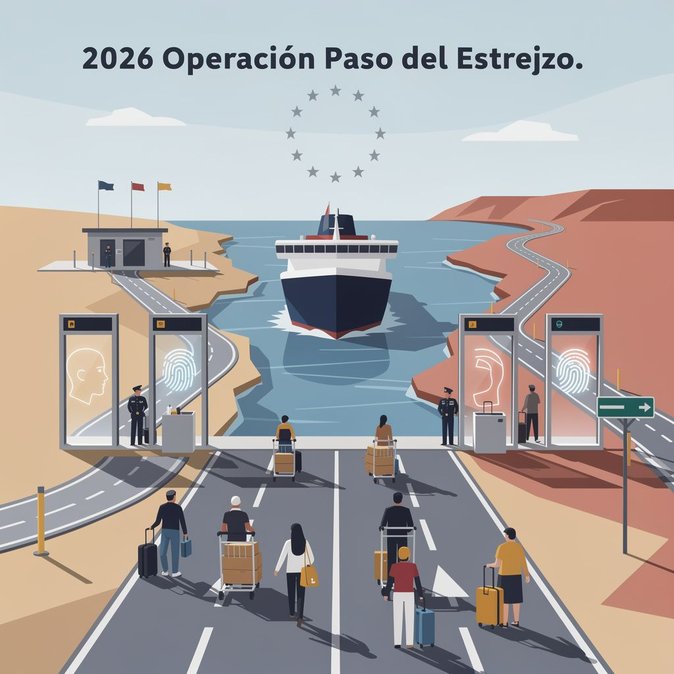
Local authorities confirmed that at 11:50 a.m. on Saturday, 13 June, a rigid-hulled inflatable boat offloaded 15 North-African migrants on Calahonda beach (Motril, Granada) before fleeing back to international waters. Rescue services report that the group included three minors, all of whom were transferred to a temporary holding centre for health checks and asylum screening. The incident is the second unscheduled arrival on the Granada coast this week and reflects a shift from the longer Atlantic route to the shorter but riskier Alborán crossing. Maritime-law experts note that such ‘drop-and-dash’ tactics complicate Spain’s ability to identify smugglers, as vessels rarely remain within territorial waters long enough for interception by the Guardia Civil’s maritime unit. For businesses operating along Andalucía’s tourist coastline, sudden migrant landings can trigger heightened security protocols at hotels and ports, including ID checks that inconvenience guests. Cruise lines docking in nearby Motril are working with port police to ensure shore excursions proceed without disruption. The broader policy implication is renewed pressure on Spain’s asylum system just as the EU Migration Pact tightens return deadlines. If arrivals keep climbing, Spain may need to divert resources from visa‐processing desks to reception centres, potentially slowing down work-permit renewals for legitimate foreign employees. Regional NGOs argue that faster humanitarian-visa channels would reduce reliance on dangerous sea journeys, but so far the central government remains focused on deterrence and surveillance.
Source: El Debate