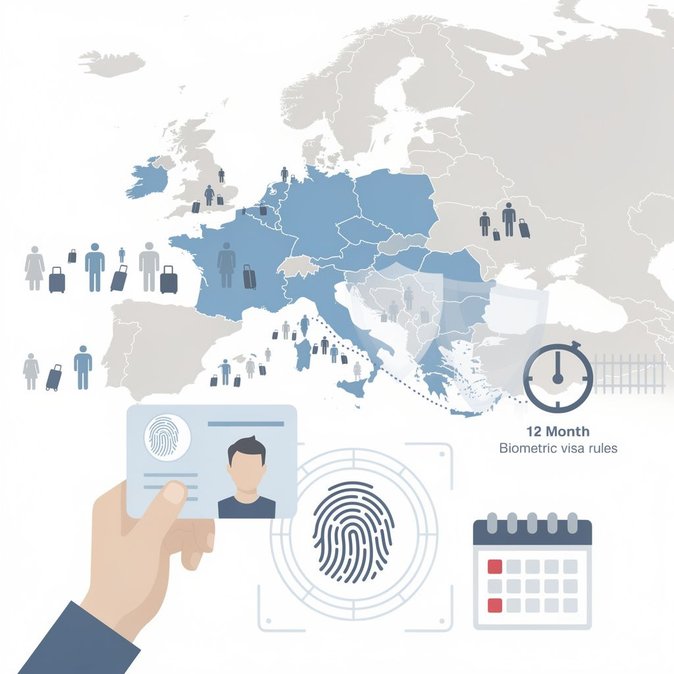
At 00:00 on 12 June the long-debated Pact on Migration and Asylum formally entered into force throughout the European Union. Yet Polish citizens and employers woke up to headlines stressing that Warsaw will not, for now, have to accept mandatory migrant relocations or pay the €20,000 ‘solidarity fee’ per refused applicant that applies elsewhere. According to a government briefing leaked to the Fakt/Onet portal, Foreign Minister Radosław Sikorski secured a 12-month derogation during the final trilogue negotiations in April. Under the carve-out, Poland commits only to the sections that strengthen external-border screening, fast-track returns and shared security databases—areas Warsaw has long championed—while delaying the politically explosive redistribution mechanism until at least July 2027. For globally mobile businesses the exemption removes immediate fears that Poland might introduce compulsory reception-centre quotas near major industrial zones. HR directors interviewed by the Polish Employers’ Confederation say the breathing space gives firms time to audit accommodation stock, draft crisis policies and engage local authorities before any future inflow is imposed. Lawyers, however, warn that the opt-out is partial. From September, Polish consulates must still apply new biometric and interoperability rules when issuing Schengen visas, and carriers will have to upload passenger data to the revamped EU Entry/Exit System. Companies that rely on rotating non-EU technicians should review lead times now, practitioners advise. Politically, Prime Minister Donald Tusk’s coalition hopes the deal will blunt criticism from the nationalist right ahead of regional elections in October. But opposition MPs have tabled a motion requiring any extension of the opt-out to be ratified by parliament—adding fresh uncertainty for mobility planners beyond 2027.
Source: Onet/Fakt