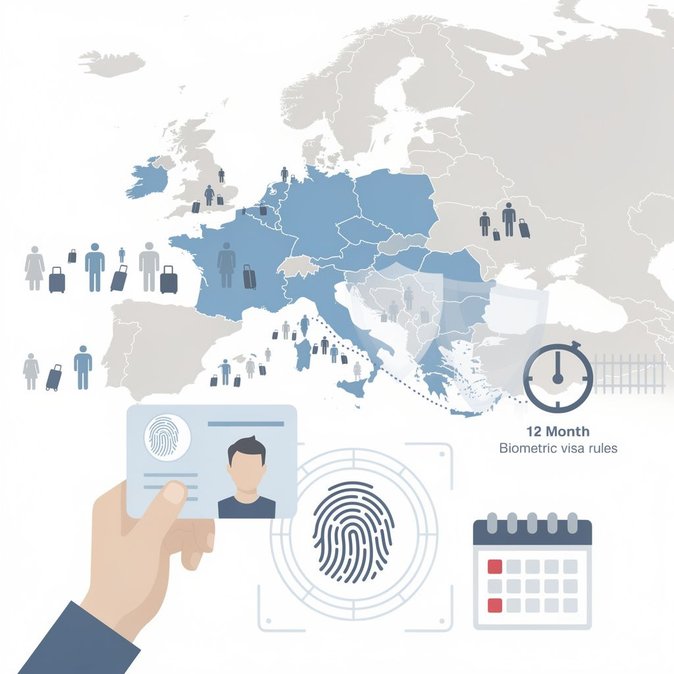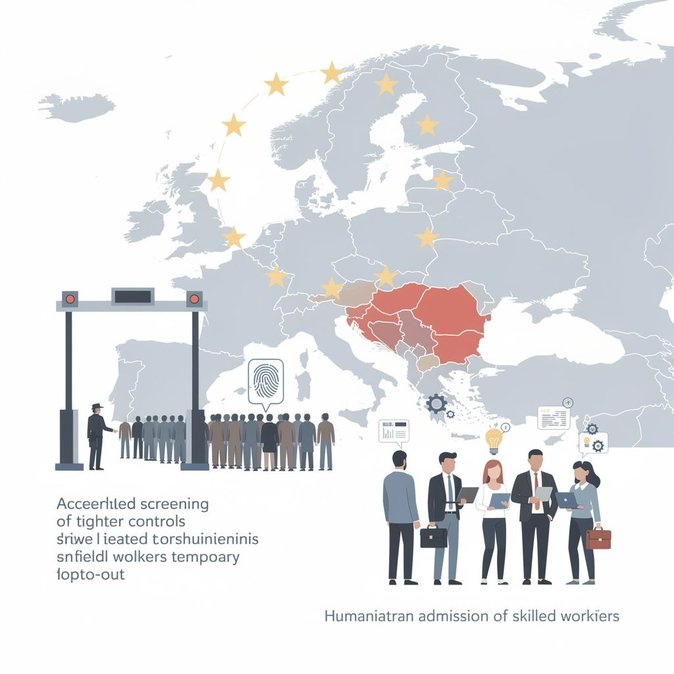
Euronews provided a pan-European perspective on 13 June, just hours before the migration pact went live, outlining how the re-designed asylum system will redistribute responsibility from border states such as Greece and Italy to all 27 member countries—including, in principle, Poland. The analysis notes that Poland is one of only two member states (alongside Hungary) to secure a temporary solidarity opt-out, but points out that the pact also contains new accelerated border procedures, enhanced Eurodac fingerprinting, and strict return rules that Warsaw must apply immediately. Investors eyeing Poland as a manufacturing hub should monitor whether the faster border-screening timelines translate into longer queues for bona fide travellers. Euronews highlights business-friendly provisions: EU states can count humanitarian admission of skilled workers toward their solidarity quota, opening a potential pathway for Poland to attract in-demand talent while still meeting future obligations. Yet the report warns that hostile political messaging could deter highly qualified third-country nationals from choosing Poland over rival CEE markets. For global mobility managers, the takeaway is that EU-level compliance—particularly around biometric data capture and travel-history logging—will standardise across the bloc. Companies operating multi-jurisdictional programs should align Polish assignment protocols with those in Germany or France to avoid patchwork policies. The piece concludes that the real test lies in next year’s implementation review, when the Commission will assess whether exemptions remain justified. Businesses should therefore treat the current Polish carve-out as a window, not a guarantee.
Source: Euronews