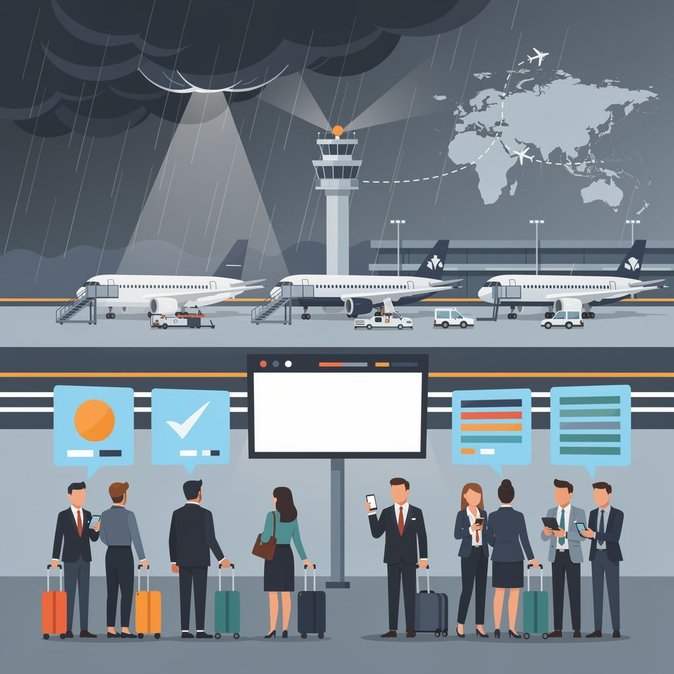
Thailand has formally dropped India from its 60-day visa-free list, restoring the pre-2024 visa-on-arrival (VoA) regime for Indian passport-holders. From 15 June 2026, Indians landing at any Thai international airport must obtain a VoA that costs 2,000 baht and permits a 30-day stay. An electronic visa purchased in advance for 1,000 baht remains an alternative. The Thai Cabinet says the move is part of a broader overhaul affecting ninety-three countries and is intended to tighten immigration control while keeping tourism flows intact. Indian outbound operators are cautiously optimistic. Mumbai-based agency TravelButler told the Bangkok Post that demand for Thailand hinges more on low package prices and direct flight availability than on the form of the visa. Agents expect limited disruption to premium and independent travellers but warn that last-minute group tours may encounter airport queues at peak periods. The Tourism Authority of Thailand (TAT) had set a 2026 target of 2.55 million Indian arrivals—roughly 10 % of its overall inbound goal. Officials now say they will ask the National Visa Policy Committee to consider a 15-day visa-exemption scheme specific to India to sustain that target, signalling that today’s decision may still evolve. For Indian companies sending executives to Bangkok, Phuket or the growing meetings-and-incentives hubs in Chiang Mai, the safest play is to switch to Thailand’s e-Visa portal. Business travellers should upload passports and itineraries at least three working days before departure, carry two passport photographs, and have the 2,000-baht fee in cash or credit as a back-up. Travel managers should also update duty-of-care alerts to reflect possible immigration queues in Q3 as systems bed in. In the medium term, Thailand’s decision underscores a regional trend: Southeast Asian governments are tightening visa-free arrangements introduced during the post-pandemic recovery. Indian firms will need agile travel policies that can toggle between visa-exempt, VoA and e-visa channels across the region.
Source: The Thaiger