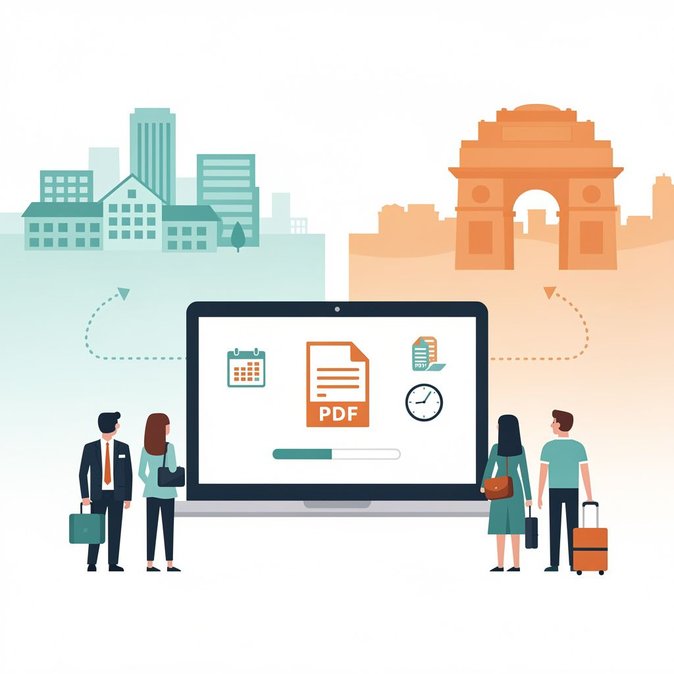
The Indian Visa Application Centre (IVAC) in Dhaka unveiled a new, time-boxed appointment system on 15 June 2026 aimed at combating bulk-booking by agents and shortening queues that have plagued Bangladeshi applicants for months. Under the revised protocol, applicants must upload a PDF version of their completed online form between 14:00 and 16:30 hrs; only those who successfully complete the upload can compete for appointment slots that open precisely at 17:00. Files older than 30 days or altered in image-editing software will be auto-rejected, IVAC said, warning that any manipulation constitutes visa fraud under Section 12 of the Foreigners Act, 1946. Medical-visa seekers must also stick to the hospital specified in the approval letter unless they obtain a change authorisation from India’s Foreigners Regional Registration Office (FRRO). Violations could trigger entry bans. The rule change comes as India processes a record five million Bangladeshi tourist and medical visas annually, straining capacity at the Gulshan and Mirpur centres. Mobility providers welcome the upload-first model, noting that it weeds out incomplete files and should reduce the black-market premium (up to $150) charged by touts for scarce slots. Companies that rotate Bangladeshi technicians into Indian project sites should adjust timelines: appointments for business (B) and employment (E) visas may now open—or be exhausted—within minutes of the 17:00 drop. HR teams should ensure web files are quality-checked and ready for upload well before the 14:00 window to avoid missing hard launch times. IVAC hinted that a pilot "visa-token wallet"—allowing companies pre-approved by India’s High Commission to reserve blocks of slots—could be introduced later this year if the current system successfully curbs no-shows and tout activity.
Source: Views Bangladesh