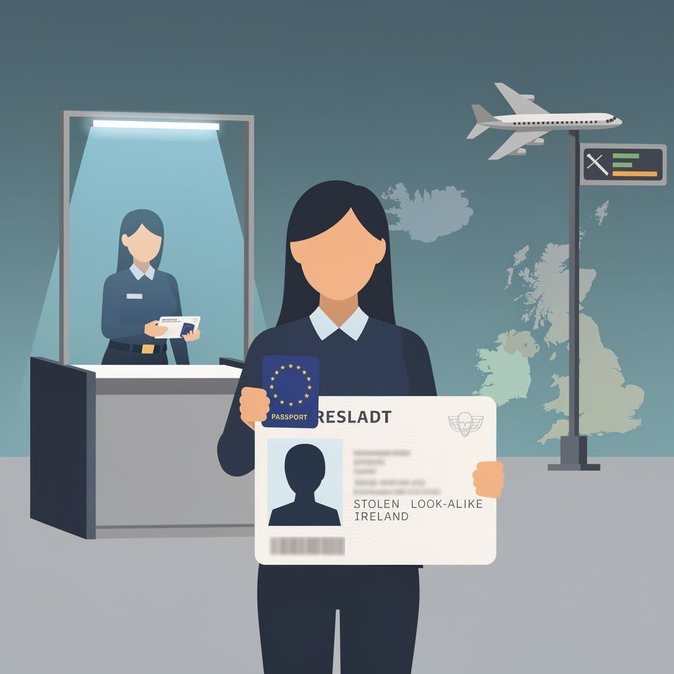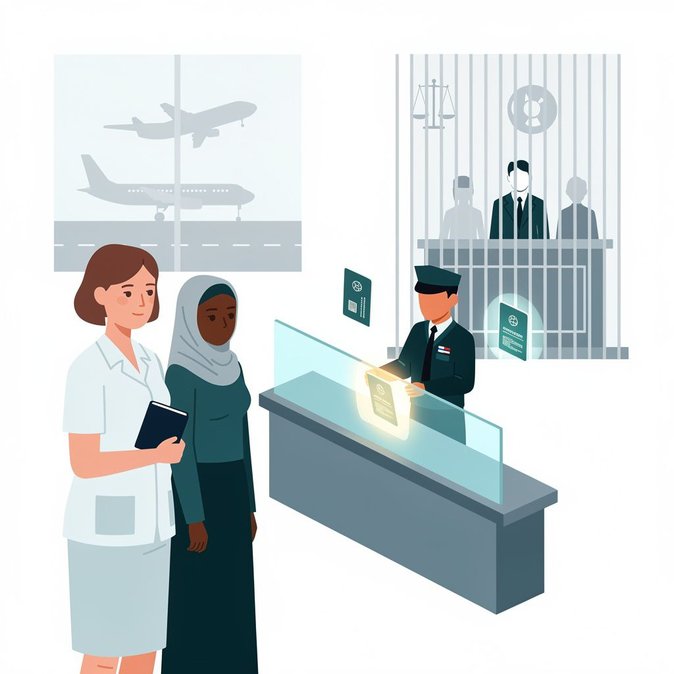
The Circuit Criminal Court in Dublin heard on 16 June 2026 how 47-year-old Muna Mohamed Sharif, a U.K. healthcare assistant, attempted to smuggle a Somali woman into Ireland using a Swedish ‘look-alike’ passport. Sharif was arrested by Gardaí at Dublin Airport after immigration officers noticed the two women exchanging signals while passing separately through e-gates. Investigators told the court they later found phone messages arranging payment to the genuine passport holder.
For travellers and employers who want to avoid exactly this kind of document trouble, VisaHQ’s Ireland portal (https://www.visahq.com/ireland/) provides real-time visa requirements, document-checking tools and secure application processing. Using the service can help ensure that passports, residence permits and supporting paperwork are fully compliant before anyone arrives at an Irish border checkpoint.
Sharif admitted facilitating unlawful entry and producing false travel documents—offences that carry sentences of up to ten years. Judge Martina Baxter accepted the guilty plea and adjourned the case for sentencing on 8 July, granting legal aid but refusing bail amid flight-risk concerns. The case highlights the pressure on Irish border authorities as passenger numbers surge and organised smuggling networks test document-fraud counter-measures. For employers, the incident is a reminder that staff mobility plans must include robust document-verification protocols—especially when using third-party travel arrangers or relocations from high-risk regions. Irish lawmakers last year increased penalties for facilitation and forged-document offences as part of the International Protection Act 2026. Corporate travel and global mobility managers should brief travelling employees on tougher checks and allow extra clearance time when using self-service e-gates at Dublin Airport this summer.
For travellers and employers who want to avoid exactly this kind of document trouble, VisaHQ’s Ireland portal (https://www.visahq.com/ireland/) provides real-time visa requirements, document-checking tools and secure application processing. Using the service can help ensure that passports, residence permits and supporting paperwork are fully compliant before anyone arrives at an Irish border checkpoint.
Sharif admitted facilitating unlawful entry and producing false travel documents—offences that carry sentences of up to ten years. Judge Martina Baxter accepted the guilty plea and adjourned the case for sentencing on 8 July, granting legal aid but refusing bail amid flight-risk concerns. The case highlights the pressure on Irish border authorities as passenger numbers surge and organised smuggling networks test document-fraud counter-measures. For employers, the incident is a reminder that staff mobility plans must include robust document-verification protocols—especially when using third-party travel arrangers or relocations from high-risk regions. Irish lawmakers last year increased penalties for facilitation and forged-document offences as part of the International Protection Act 2026. Corporate travel and global mobility managers should brief travelling employees on tougher checks and allow extra clearance time when using self-service e-gates at Dublin Airport this summer.