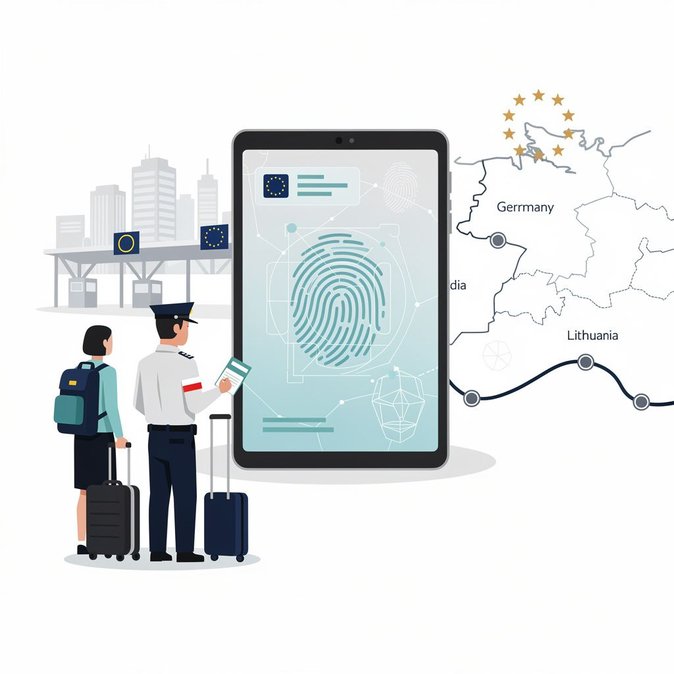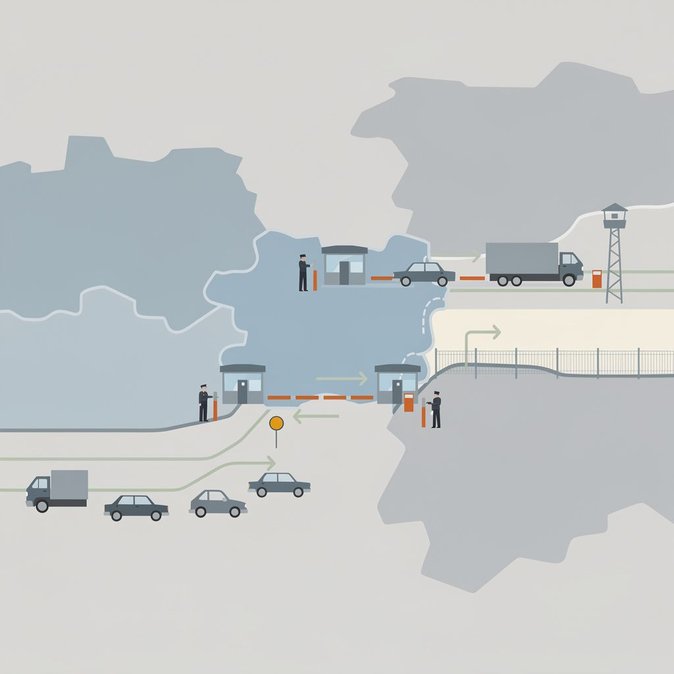
Poland’s Border Guard (SG) released its latest operational snapshot on 15 June, covering the 72-hour period 12–14 June 2026. Officers inspected almost 24 000 travellers and 12 000 vehicles on the German and Lithuanian frontiers, refusing entry to nine people and readmitting 47 irregular migrants to neighbouring states. Crucially, the SG reported *no* illegal-entry attempts on the highly politicised Belarusian axis during the period – the first clean sheet in six months. Temporary Schengen controls on the western and north-eastern borders, re-introduced in April amid people-smuggling concerns, will remain until 1 October 2026.
If shifting entry requirements or lingering doubts about documentation are complicating travel plans, VisaHQ can help. Through its dedicated Poland portal (https://www.visahq.com/poland/), the firm provides up-to-date guidance on Schengen visa rules, document-check services and expedited processing options, making it easier for businesses and individual travellers to stay compliant and avoid costly border delays.
The SG attributes the fall in attempts on the Belarus line to a 78-km buffer zone, fortified fencing and joint drone patrols launched last month. For logistics firms the figures translate into slightly faster queue times at Kuźnica and Bobrowniki road crossings, although freight operators still face sporadic 4-6-hour holds due to enhanced document scanning. Passenger-coach companies running summer schedules to the Baltic states should warn customers that ID checks remain vigorous; a valid travel document and proof of funds are being demanded even of EU nationals. Corporate mobility managers should note that internal Schengen flights are unaffected, but rail passengers transiting from Berlin via Poznań to Warsaw continue to see random on-board checks. The Border Guard says its risk-based algorithm now flags around 3 % of travellers for secondary screening, down from 5 % in early May, suggesting the system is bedding in. While the lull on the Belarus line is welcome, officials caution that migration pressure could rebound as weather improves. Businesses planning group movements of workers through neighbouring countries should therefore keep contingency routing options open.
If shifting entry requirements or lingering doubts about documentation are complicating travel plans, VisaHQ can help. Through its dedicated Poland portal (https://www.visahq.com/poland/), the firm provides up-to-date guidance on Schengen visa rules, document-check services and expedited processing options, making it easier for businesses and individual travellers to stay compliant and avoid costly border delays.
The SG attributes the fall in attempts on the Belarus line to a 78-km buffer zone, fortified fencing and joint drone patrols launched last month. For logistics firms the figures translate into slightly faster queue times at Kuźnica and Bobrowniki road crossings, although freight operators still face sporadic 4-6-hour holds due to enhanced document scanning. Passenger-coach companies running summer schedules to the Baltic states should warn customers that ID checks remain vigorous; a valid travel document and proof of funds are being demanded even of EU nationals. Corporate mobility managers should note that internal Schengen flights are unaffected, but rail passengers transiting from Berlin via Poznań to Warsaw continue to see random on-board checks. The Border Guard says its risk-based algorithm now flags around 3 % of travellers for secondary screening, down from 5 % in early May, suggesting the system is bedding in. While the lull on the Belarus line is welcome, officials caution that migration pressure could rebound as weather improves. Businesses planning group movements of workers through neighbouring countries should therefore keep contingency routing options open.