After a two-year transition period, the European Union’s Pact on Migration and Asylum formally entered into force on 12 June 2026. The bloc-wide overhaul introduces mandatory identity screening for all irregular arrivals, time-bound asylum decisions, quicker returns for rejected applicants and, crucially, a compulsory ‘solidarity mechanism’ under which each member state must either accept relocated asylum seekers or make financial/operational contributions.
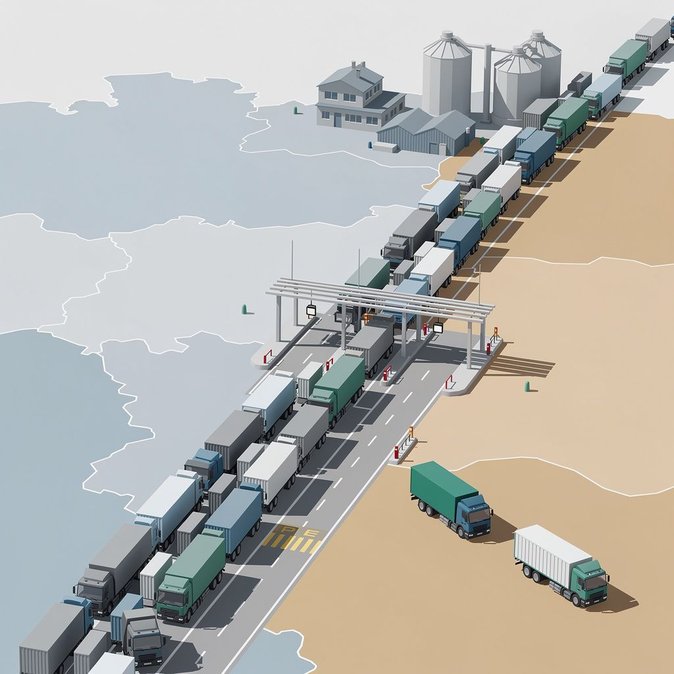
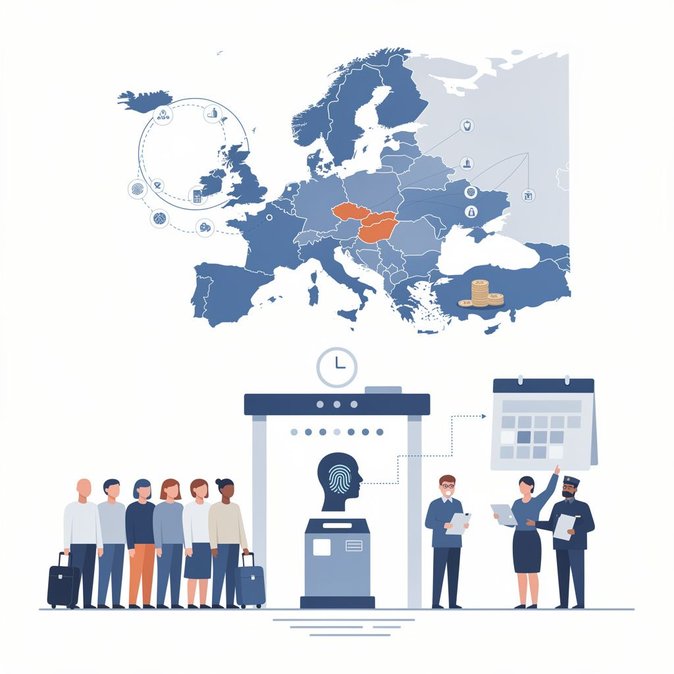
Business Standard broke down the key provisions in an article published on 15 June. For Poland—still one of the EU’s main external-border front-line states—the immediate operational impact centres on the new screening deadlines. Authorities in Dorohusk, Medyka and the Baltic ports now have just seven days to carry out security, health and vulnerability checks on people intercepted at or near the frontier.
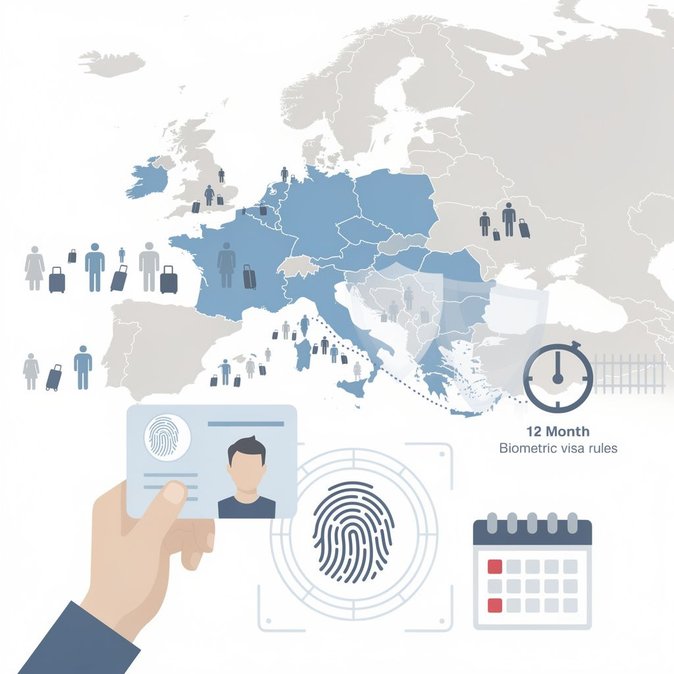
Warsaw’s Office for Foreigners has hired an extra 250 caseworkers and installed biometric kits at temporary facilities to meet the timetable. Employers who hire third-country nationals should expect faster fingerprint sharing via the upgraded Eurodac database and, consequently, quicker identification of overstayers.
The solidarity pillar is politically sensitive in Warsaw. Poland negotiated a partial exemption from mandatory relocations earlier this year, opting instead to make higher cash contributions to EU return operations. Nevertheless, Polish firms may still see an uptick in intra-EU mobile workers as other member states redistribute recognised refugees. Human-resources teams should review quota-based hiring processes to ensure equal treatment of protected-status employees.
Travellers following regular procedures—tourists with valid Schengen visas, students and intra-company transferees—will notice little change at airports or land crossings. The European Commission has emphasised that the pact does not alter existing visa rules or the forthcoming ETIAS travel-authorisation launch.
For anyone needing clarity on those unchanged but still complex visa rules, VisaHQ’s dedicated Poland page (https://www.visahq.com/poland/) offers real-time requirement updates, application checklists and document-submission support, helping businesses and individual travellers navigate Schengen, work and transit visas with minimal hassle.
However, individuals who overstay or attempt to work without authorisation are likely to face swifter detention and removal. Rights groups have criticised the expanded use of border-area detention and warn that accelerated procedures risk curtailing access to legal aid.
Companies arranging corporate moves into, out of or through Poland should therefore keep a close watch on implementation glitches and factor in potential litigation or reputational exposure if employees are caught up in fast-track decisions.
Business Standard broke down the key provisions in an article published on 15 June. For Poland—still one of the EU’s main external-border front-line states—the immediate operational impact centres on the new screening deadlines. Authorities in Dorohusk, Medyka and the Baltic ports now have just seven days to carry out security, health and vulnerability checks on people intercepted at or near the frontier.
Warsaw’s Office for Foreigners has hired an extra 250 caseworkers and installed biometric kits at temporary facilities to meet the timetable. Employers who hire third-country nationals should expect faster fingerprint sharing via the upgraded Eurodac database and, consequently, quicker identification of overstayers.
The solidarity pillar is politically sensitive in Warsaw. Poland negotiated a partial exemption from mandatory relocations earlier this year, opting instead to make higher cash contributions to EU return operations. Nevertheless, Polish firms may still see an uptick in intra-EU mobile workers as other member states redistribute recognised refugees. Human-resources teams should review quota-based hiring processes to ensure equal treatment of protected-status employees.
Travellers following regular procedures—tourists with valid Schengen visas, students and intra-company transferees—will notice little change at airports or land crossings. The European Commission has emphasised that the pact does not alter existing visa rules or the forthcoming ETIAS travel-authorisation launch.
For anyone needing clarity on those unchanged but still complex visa rules, VisaHQ’s dedicated Poland page (https://www.visahq.com/poland/) offers real-time requirement updates, application checklists and document-submission support, helping businesses and individual travellers navigate Schengen, work and transit visas with minimal hassle.
However, individuals who overstay or attempt to work without authorisation are likely to face swifter detention and removal. Rights groups have criticised the expanded use of border-area detention and warn that accelerated procedures risk curtailing access to legal aid.
Companies arranging corporate moves into, out of or through Poland should therefore keep a close watch on implementation glitches and factor in potential litigation or reputational exposure if employees are caught up in fast-track decisions.