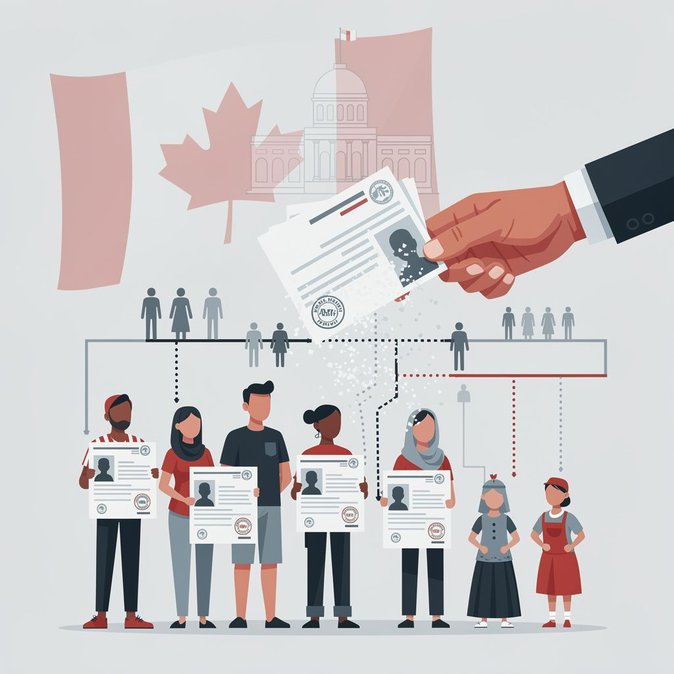
Dozens of recently recognised ‘citizens-by-descent’ received letters last weekend ordering them to return their citizenship certificates because they allegedly failed to prove a direct link to a Canadian ancestor, CityNews and the Canadian Press revealed on 16 June 2026. Immigration Minister Lena Diab, pressed in the House of Commons, said claimants must provide original-source evidence for every generation, warning that “genealogy websites are not enough.” The clamp-down stems from Bill C-3, which extended citizenship-by-descent to people born before 15 December 2025 provided they show lineage in each generation.
For individuals struggling to gather the right historical records or who need assistance ensuring their travel documents remain valid while their citizenship status is under review, VisaHQ’s Canadian desk offers step-by-step document sourcing and expedited passport and visa processing. Their specialists can advise on acceptable archival proofs and timeline planning; more information is available at https://www.visahq.com/canada/
About 4,000 certificates have already been issued under the new law, but IRCC now concedes “a limited number” may have been approved without adequate documentation. Trained officers are reviewing files individually; affected individuals have 45 days to submit additional proof or risk revocation. The sudden reversal has left families in limbo. Several recipients told reporters they had already secured Social Insurance Numbers, jobs and even launched spousal sponsorships that now hang in the balance. Immigration lawyers predict court challenges, citing procedural fairness and potential Charter breaches. For multinational employers, the episode highlights the importance of validating citizenship documents presented by new hires and maintaining flexible relocation timelines. Corporate mobility teams may see delays in onboarding dual-citizen candidates until their status is reconfirmed. IRCC has not issued processing pauses but insiders say a new guidance note will require frontline officers to verify archival records such as birth registries and census returns before approving future certificates, likely extending current six-month service standards.
For individuals struggling to gather the right historical records or who need assistance ensuring their travel documents remain valid while their citizenship status is under review, VisaHQ’s Canadian desk offers step-by-step document sourcing and expedited passport and visa processing. Their specialists can advise on acceptable archival proofs and timeline planning; more information is available at https://www.visahq.com/canada/
About 4,000 certificates have already been issued under the new law, but IRCC now concedes “a limited number” may have been approved without adequate documentation. Trained officers are reviewing files individually; affected individuals have 45 days to submit additional proof or risk revocation. The sudden reversal has left families in limbo. Several recipients told reporters they had already secured Social Insurance Numbers, jobs and even launched spousal sponsorships that now hang in the balance. Immigration lawyers predict court challenges, citing procedural fairness and potential Charter breaches. For multinational employers, the episode highlights the importance of validating citizenship documents presented by new hires and maintaining flexible relocation timelines. Corporate mobility teams may see delays in onboarding dual-citizen candidates until their status is reconfirmed. IRCC has not issued processing pauses but insiders say a new guidance note will require frontline officers to verify archival records such as birth registries and census returns before approving future certificates, likely extending current six-month service standards.