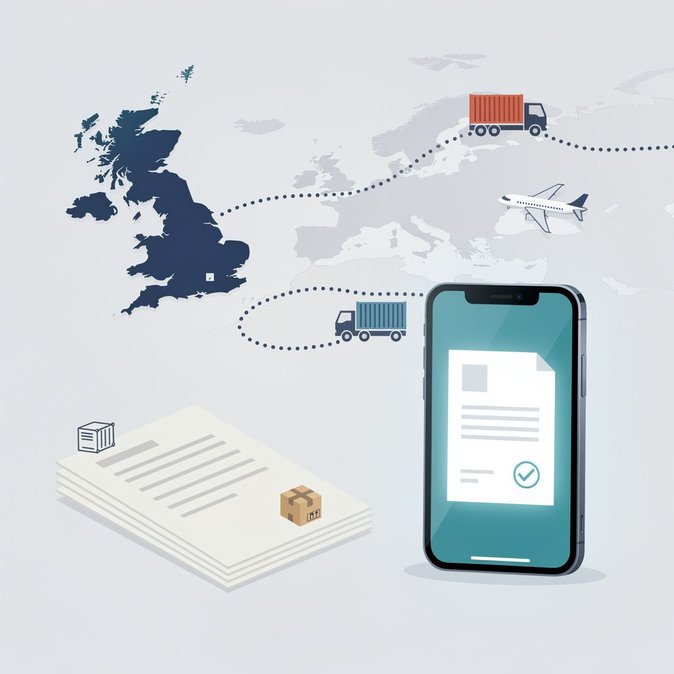
From 1 June the UK, EU, Norway and Switzerland began issuing digital ATA Carnets, replacing the familiar multi-page paper booklet with an app-based document that customs officers can scan in seconds. An industry briefing published on 16 June confirms the UK transition is proceeding smoothly, with paper carnets still accepted during a parallel-run period. The ATA Carnet acts as a passport for goods taken abroad temporarily – think trade-show exhibits, film equipment or professional toolkit.
Whether you’re a production company travelling with cameras or a tech firm shipping demo units, coordinating the right paperwork can be daunting. VisaHQ’s UK platform offers step-by-step assistance not only with business and crew visas but also with ATA Carnet applications, letting companies submit forms, track progress and get expert support in one place – see https://www.visahq.com/united-kingdom/ for details.
For mobility and events teams the digital version removes the risk of losing physical slips and allows real-time tracking of clearance status. Users can preload item data, generate declarations en-route and obtain electronic discharge on re-import, cutting airport dwell times. Issuing chambers report high demand and advise exporters to check whether all transit countries on an itinerary have adopted e-Carnets; if not, a hybrid (paper + digital) approach may be required. HMRC guidance emphasises that existing security-deposit rules and six-month validity terms remain unchanged. Longer term, the digital carnet feeds into the UK’s Single Trade Window agenda and dovetails with customs easements promised in the government’s upcoming Border Target Operating Model, signalling a steady move towards paperless trade facilitation.
Whether you’re a production company travelling with cameras or a tech firm shipping demo units, coordinating the right paperwork can be daunting. VisaHQ’s UK platform offers step-by-step assistance not only with business and crew visas but also with ATA Carnet applications, letting companies submit forms, track progress and get expert support in one place – see https://www.visahq.com/united-kingdom/ for details.
For mobility and events teams the digital version removes the risk of losing physical slips and allows real-time tracking of clearance status. Users can preload item data, generate declarations en-route and obtain electronic discharge on re-import, cutting airport dwell times. Issuing chambers report high demand and advise exporters to check whether all transit countries on an itinerary have adopted e-Carnets; if not, a hybrid (paper + digital) approach may be required. HMRC guidance emphasises that existing security-deposit rules and six-month validity terms remain unchanged. Longer term, the digital carnet feeds into the UK’s Single Trade Window agenda and dovetails with customs easements promised in the government’s upcoming Border Target Operating Model, signalling a steady move towards paperless trade facilitation.