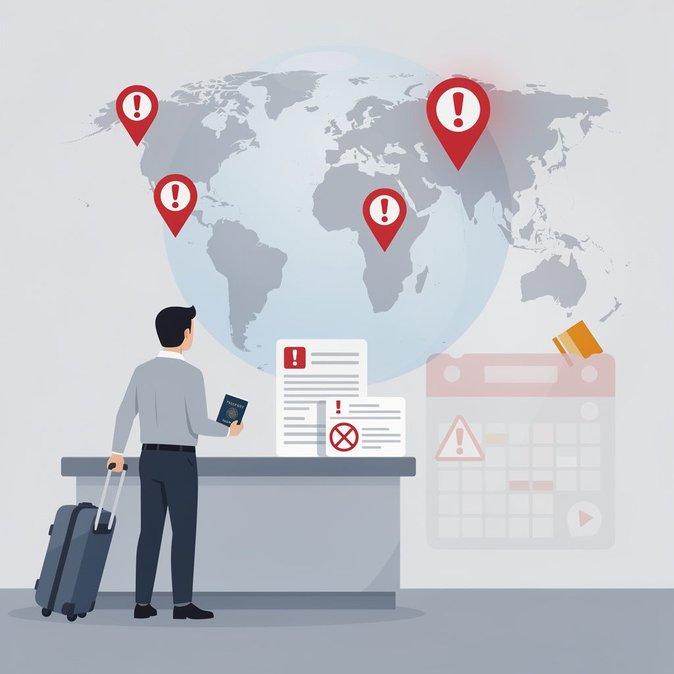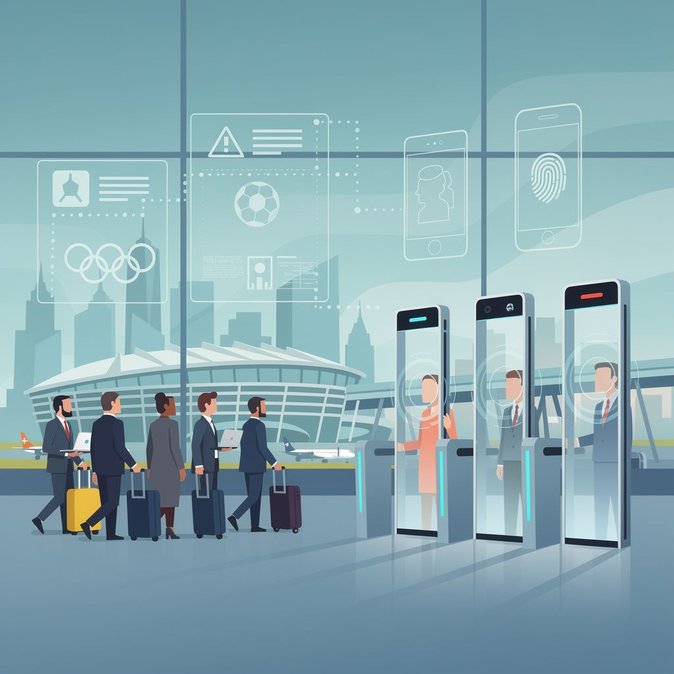
Speaking at the Engage Public Sector conference in Washington, D.C., on June 16, Customs and Border Protection executive director Adina Pantella unveiled an aggressive technology roadmap designed to handle an expected flood of international visitors for the 2026 FIFA World Cup and the 2028 Los Angeles Olympics. CBP will deploy predictive-analytics tools that fuse biographic data with real-time facial-capture feeds to flag high-risk travelers before they reach inspection booths. Pantella said the agency’s goal is to “shift officers away from paperwork and toward traveler intent and behavior,” freeing personnel to conduct targeted interviews while algorithms handle routine identity verification. The expansion includes additional facial-recognition e-gates at major U.S. airports, mobile biometrics kits for land crossings, and machine-learning models that forecast daily passenger surges so CBP can flex staffing. Civil-liberties groups warn that large-scale biometric rollouts can entrench racial bias and create honeypots for hackers. CBP counters that rigorously tested AI will speed legitimate travel and help the U.S. meet service-level agreements with airlines and airport authorities. The agency is also promising transparent redress channels and third-party audits—a nod to lessons learned from its 2020 Traveler Verification Service pilot. For global mobility teams, the announcement signals both faster clearance for enrolled employees and stricter scrutiny for those whose data triggers risk scores. Corporations should encourage frequent travelers to enroll in Trusted Traveler programs early and ensure that HR databases (names, passports, citizenships) align with official records, reducing false positives that could delay critical trips.
![CBP Ramps Up AI and Biometric Screening Ahead of 2026 World Cup, 2028 Olympics]()
At this stage, many organizations turn to specialized partners for paperwork coordination. VisaHQ, for example, offers centralized visa and passport processing, real-time status dashboards and data-validation checks that ensure traveler profiles match CBP records before departure—services that can save teams headaches as the World Cup and Olympics approach. Companies can explore options at https://www.visahq.com/united-states/
Vendors of airport kiosks, document authentication and privacy-enhancing technologies are poised for a multi-year procurement wave as CBP races to finish installations before qualifying matches begin in summer 2026.

At this stage, many organizations turn to specialized partners for paperwork coordination. VisaHQ, for example, offers centralized visa and passport processing, real-time status dashboards and data-validation checks that ensure traveler profiles match CBP records before departure—services that can save teams headaches as the World Cup and Olympics approach. Companies can explore options at https://www.visahq.com/united-states/
Vendors of airport kiosks, document authentication and privacy-enhancing technologies are poised for a multi-year procurement wave as CBP races to finish installations before qualifying matches begin in summer 2026.