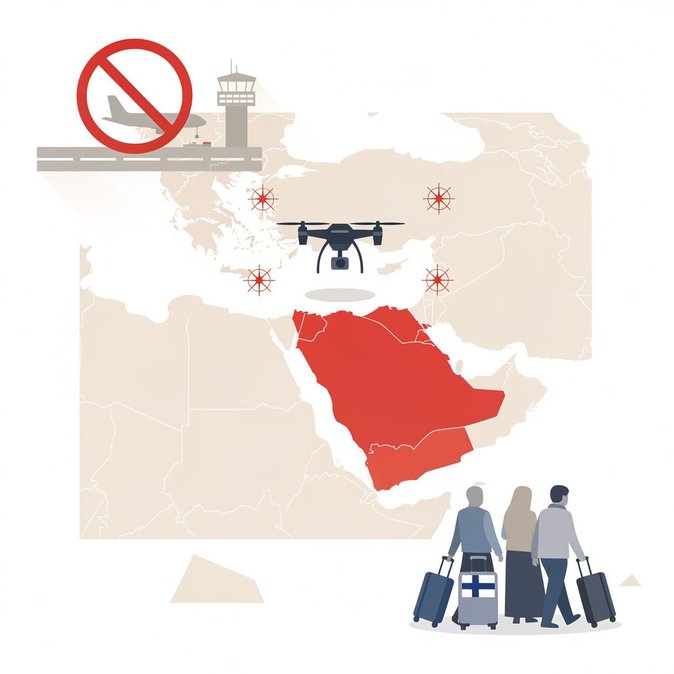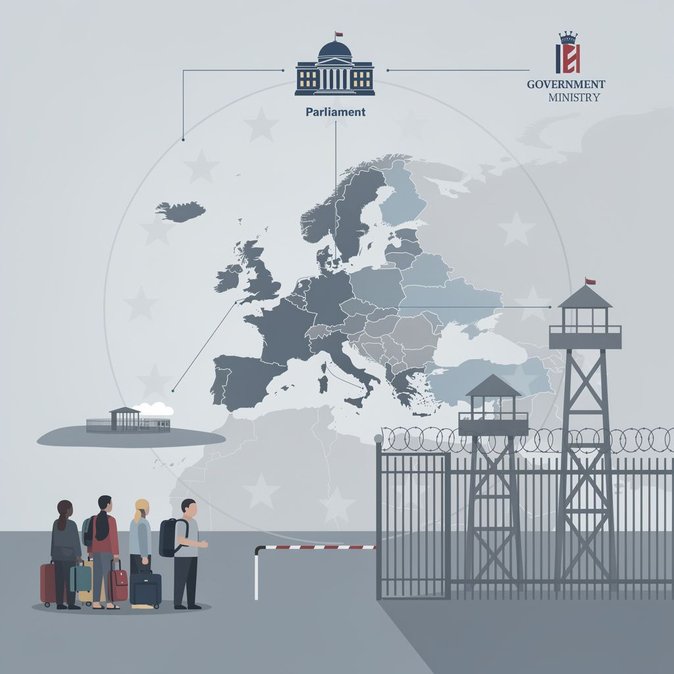
The summer European Council began in Brussels on 18 June with Finnish Prime Minister Petteri Orpo joining fellow EU leaders for a two-day agenda that ranges from Ukraine to competitiveness—but with the first operational steps of the new Pact on Migration and Asylum looming large. Orpo told Finnish media on arrival that Helsinki will “hold the Commission to a strict timetable” so that the mandatory pre-entry screening and accelerated border-procedure rules can be in force before the 2027 tourist season. The meeting takes place barely a week after the European Parliament formally approved reforms to the EU returns directive and the solidarity-mechanism regulation. For Finland—whose eastern land border with Russia has faced orchestrated migration pressure in recent years—the ability to conduct fast-track asylum assessments at the frontier is viewed as essential. Government officials confirmed that Helsinki Airport and the Vaalimaa and Nuijamaa road crossings have been earmarked as Finland’s two pilot “border procedure centres,” with EU funding requests to be filed once the Pact’s implementing acts are adopted. Business-travel stakeholders are watching the Council closely because the bloc must still finalise how the new rules will dovetail with the long-delayed Entry/Exit System (EES) and ETIAS travel-authorisation platform. Finland’s Interior Ministry says it wants a single biometric capture for all three systems to avoid duplicated queues at Schengen airports by 2028. Leaders will also debate the next Multi-Annual Financial Framework (2028-34). The Finnish government is pushing for a larger Internal Security Fund envelope to help frontier states finance EES/ETIAS infrastructure, integrated border-surveillance projects and reception-centre upgrades. Orpo is expected to emphasise that “credible external borders are a prerequisite for a mobile single market,” a message welcomed by Finnish multinationals that rely on seamless intra-EU travel for skilled staff. While migration may share the limelight with Ukraine and industrial policy, Council conclusions due on 19 June are expected to task the Commission with presenting the full package of migration-pact implementing legislation by December 2026—setting a firm clock for member states, carriers and mobility program managers alike.