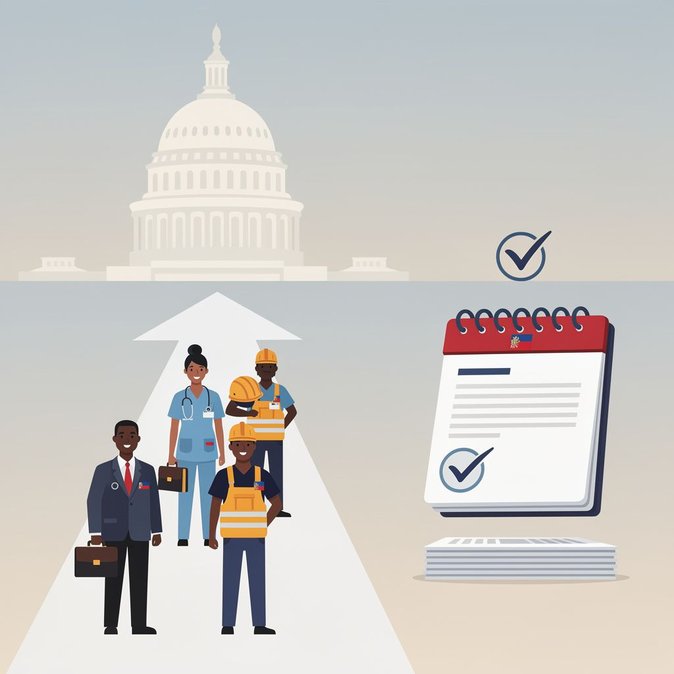
June 19 saw the publication of the first comprehensive post-mortem on the FY 2027 H-1B cap season, and the numbers confirm what corporate immigration teams have felt for months: the program has been structurally transformed. Journalist Aditi Malhotra’s 5,000-word analysis tallies three game-changers. First, USCIS implemented a wage-weighted lottery that grants extra chances to higher-salary registrations, boosting the prospects of Level III-IV tech roles while squeezing entry-level petitions. Second, the Trump administration imposed a one-time $100,000 supplemental fee on consular-filed petitions—now the focus of high-stakes litigation. Third, registrations collapsed to about 211,600, down 38 percent from 2025 and 72 percent from the fraud-ridden 2024 peak. The practical impact is dramatic. Employers paying top-quartile wages saw selection odds jump above 70 percent, while those offering Level I wages faced single-digit chances. Offshore outsourcing firms, once dominant, are reassessing U.S. staffing models; American tech giants, by contrast, now enjoy a built-in advantage. Meanwhile, the six-figure fee steers employers to favor candidates already in F-1/OPT status, widening the talent gulf between U.S.-educated graduates and peers abroad. For global-mobility managers, the new landscape demands earlier salary benchmarking, closer coordination with compensation teams, and candid conversations with overseas hires about costs. Contingency planning around the ongoing court fight over the fee is essential: if DHS wins its appeal, invoices may land retroactively. The registration downturn, however, suggests genuine fraud-reduction and could signal less need for a “second lottery” later in the year. International students and would-be transferees have started to look north to Canada’s Express Entry and the U.K.’s High Potential Individual route, both of which tout faster processing and more predictable costs. U.S. employers fearing a talent drain must weigh premium wages against tighter budgets. The bottom line: the H-1B once relied on random chance; after 2026, it increasingly rewards high salaries and in-country status—fundamentally reshaping how, when, and whom American companies can hire from abroad.
Source: SylphCorps Media