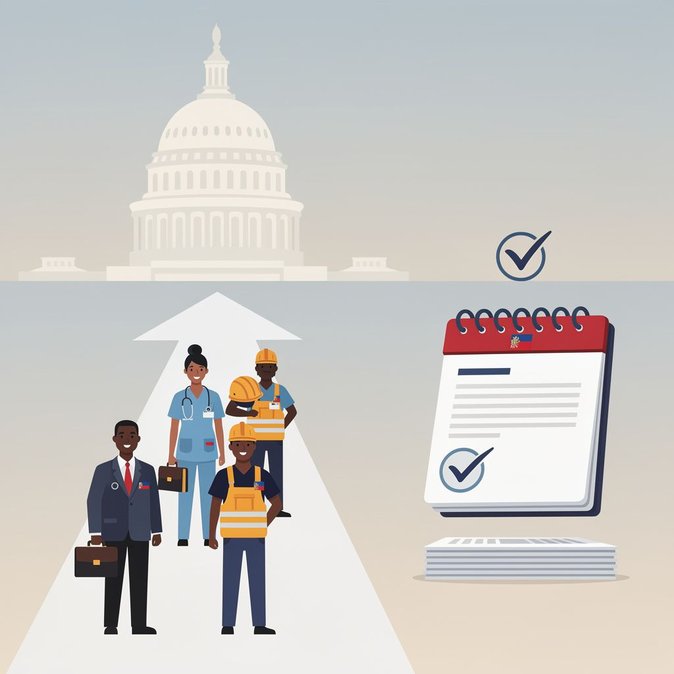
If this year’s H-1B registration cycle felt different, that’s because it was. An in-depth explainer published 19 June by SylphCorps Media breaks down three seismic shifts that hit employers at once: 1. A wage-weighted lottery replaced the long-standing random draw. Registrations tied to Level III or IV prevailing wages received proportionally greater odds, while entry-level filings faced steeper headwinds. 2. Consular-processing petitions became subject to a US $100,000 supplemental fee—now the subject of heated litigation (see above). 3. Total FY 2027 registrations plunged to about 211,600, down 38 percent from FY 2026 and 72 percent from the fraud-inflated FY 2025 peak. The article offers detailed timelines, salary-tier tables, and alternative visa strategies for foreign talent shut out of the lottery. For multinational HR teams, two takeaways stand out: higher wages now buy better odds, and on-shore F-1/OPT candidates avoid the six-figure surcharge. Companies competing for STEM talent should re-evaluate salary bands ahead of the FY 2028 cycle and consider bridging critical hires through L-1, O-1, or near-shore assignments in Canada or the U.K. Given the 72 percent drop in registrations, experts predict USCIS could run a second lottery late summer if selection rates fall short of the cap—a possibility that employers should monitor through September.
Source: SylphCorps Media