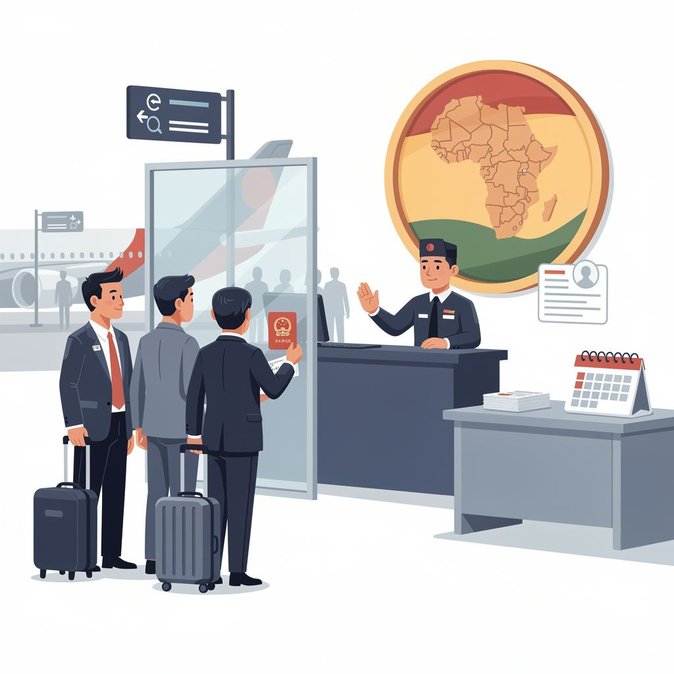
China’s embassy in Harare has issued an unusually detailed consular notice after “several” Chinese nationals were refused entry and deported at Robert Gabriel Mugabe International Airport for holding the wrong visa type. The 20 June advisory urges would-be investors to “thoroughly understand” local work-permit and residence-permit rules and to avoid entering the country on tourist or business-visit visas when planning substantive commercial activity. Zimbabwe grants visa-on-arrival facilities to Chinese citizens for tourism and short business meetings, but longer-term investment, employment or management roles require advance approval of ZEP (Zimbabwe Exemption Permits) or work permits—paperwork that can take months. According to local immigration lawyers, border officers have tightened scrutiny because of past abuse of the visa-on-arrival scheme by foreign mining and construction workers. The embassy’s five-point reminder tells Chinese companies to hire reputable local agents, ensure the declared purpose of travel matches the visa held, and double-check that work-permit details (employer, work site, occupation) stay current. Failure to comply may lead to detention, fines or a five-year entry ban. Travellers are asked to keep the embassy’s 24-hour consular-protection number on hand and to retain evidence if they feel mistreated. For mobility managers this is a red flag: Zimbabwe remains a magnet for Chinese investment in lithium, platinum and infrastructure PPPs, yet its immigration system is opaque and enforcement unpredictable. Firms dispatching engineers or project managers should budget at least eight weeks for permit processing and build contingencies into mobilisation timelines. Short-term rotators must carry invitation letters and employment contracts to demonstrate the legitimacy of their visit. More broadly, the notice underscores a trend across Africa of stricter post-pandemic immigration enforcement aimed at raising compliance and fee revenue. Similar Chinese embassy warnings were issued in Nigeria and Angola earlier this year, suggesting that belt-and-road investors can expect more robust checks at African borders.