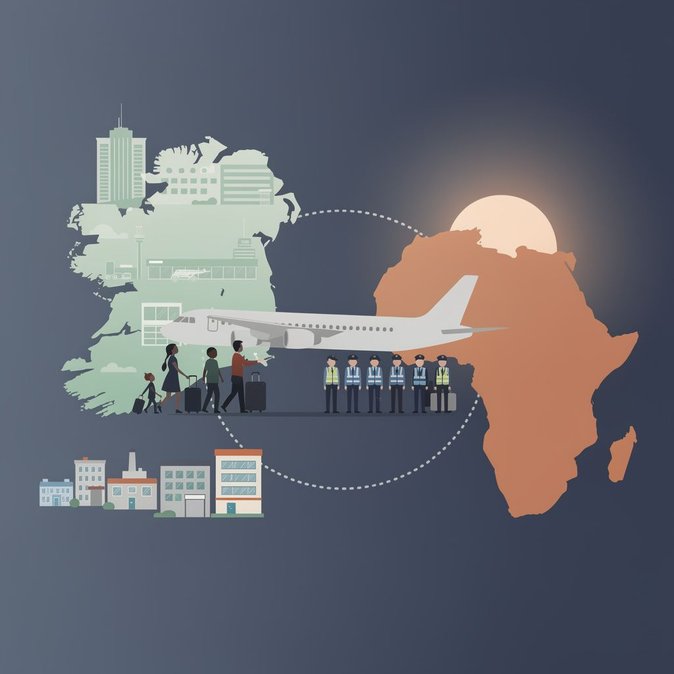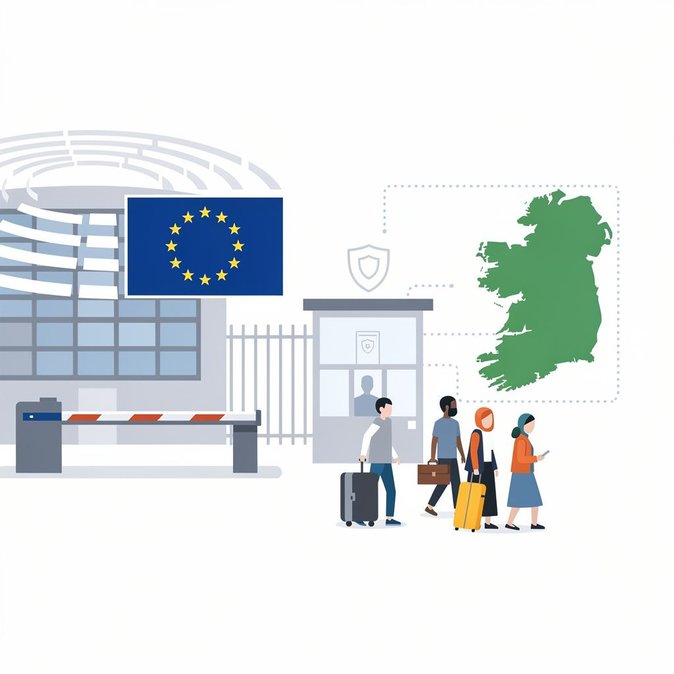
Ireland’s long-awaited International Protection Act 2026 entered into force on 12 June, transposing key elements of the EU Migration and Asylum Pact. The legislation overhauls the asylum system, promising faster decisions, biometric screening on arrival and an expedited “Border Procedure” for applicants from countries with a protection-grant rate below 20 %. Under the new framework, initial decisions and appeals for Border-Procedure cases must conclude within three months. A new Tribunal for Asylum and Returns Appeals (TARA) replaces the former International Protection Appeals Tribunal, with a streamlined mandate covering both status determinations and deportation orders. The Act also embeds digital case-management and document-sharing tools, reducing paper files and enabling real-time data exchange with EU agencies such as Frontex and the European Union Agency for Asylum (EUAA). Government modelling suggests shorter stays in reception accommodation could save tens of millions of euro annually. For employers, the faster timeline means that skilled applicants who ultimately prevail should enter the labour market sooner, while failed claims will result in quicker removals. NGOs, however, caution that the compressed deadlines may impair access to legal aid, and an Oireachtas committee has already warned of capacity strains on the civil-legal-aid system. Multinationals that hire from Ireland’s asylum-seeker work-permission scheme will need to track case outcomes more closely, as negative decisions (and consequent loss of work permission) may arrive on a 90-day horizon rather than the previous year-plus timeline.