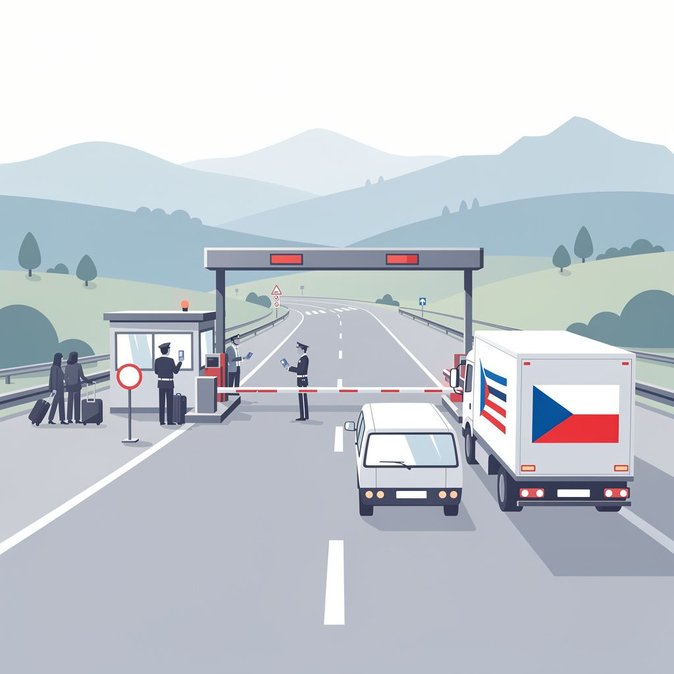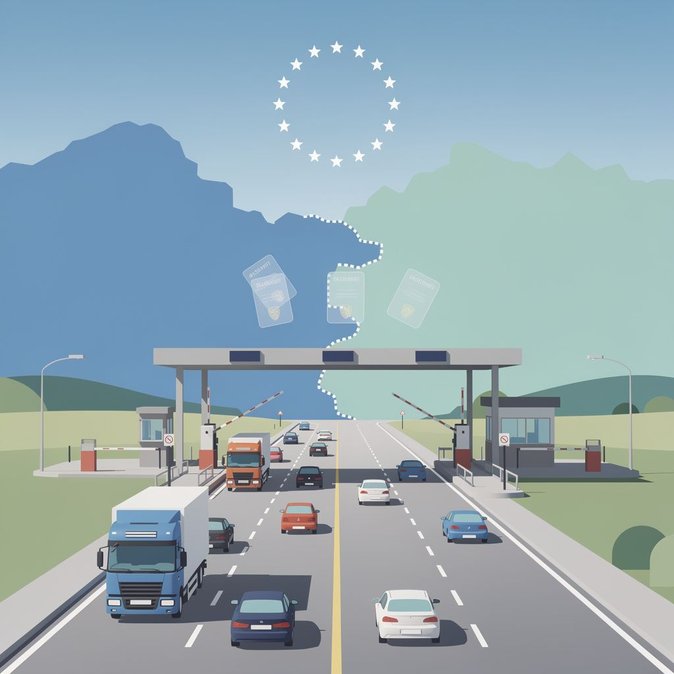
After exactly six months of heightened controls, Slovenia quietly allowed its temporary checks at the Croatian and Hungarian frontiers to expire at midnight on 21 June 2026. The measure—first imposed on 22 December 2025 in response to concerns over security threats and irregular migration along the Western Balkan route—had also required motorists arriving from Austria or Slovakia to undergo random spot checks when transiting Slovenia. For Czech companies and holiday-makers the change is more than symbolic. Tens of thousands of residents drive south through Austria and Slovenia every summer to reach the Adriatic coast or onward destinations in the Western Balkans. Forwarders based around Brno and Ostrava report that the additional 20- to 45-minute waits at former Schengen „green“ crossings added unpredictable costs to just-in-time shipments. With the controls gone, supply-chain planners expect more reliable delivery slots and reduced fuel consumption from idling lorries. The Slovenian Interior Ministry said it would maintain „intensified police surveillance“ away from the border but judged that the risk level no longer justified formal checks. Under the Schengen Borders Code, internal controls are intended as a last resort and must be strictly time-limited. EU statistics show that Slovenia carried out around 1.2 million identity verifications during the six-month period, refusing entry to fewer than 1 % of travellers—data that Brussels officials cited when urging Ljubljana not to seek a further extension. Czech tour operators welcomed the decision. "Bookings to Istria and Dalmatia always surge once drivers know they won’t be queuing at Obrežje," said Jana Marešová, product director at Čedok. Business groups echoed the sentiment: the Czech-Slovenian Chamber of Commerce estimates that road freight volumes on the Brno-Vienna-Maribor axis could rise 8 % this quarter. Companies should still monitor neighbouring Austria, which re-introduced its own Czech border controls on 16 June and plans to keep them until at least 15 September. Practical advice for travellers: carry passports or national ID cards even inside Schengen, as police can still perform inland checks; leave extra time at the Austrian–Czech frontier during the peak holiday weekends; and ensure commercial drivers have up-to-date documents in case Slovenian authorities conduct mobile inspections away from the border. Overall, however, the 21 June expiry marks a tangible step back toward pre-pandemic freedom of movement and should ease summer mobility for Czech citizens and businesses alike.
Source: European Commission – Migration & Home Affairs (Temporary Reintroduction of Border Control list)