
Hong Kong’s Financial Secretary Paul Chan revealed on 21 June that the SAR is in advanced discussions with Beijing regulators to reinforce two-way capital mobility by 1) raising the daily and aggregate Southbound investment quotas under Stock Connect and Bond Connect, and 2) lowering asset-size thresholds so more mainland professional and retail investors can buy Hong Kong-listed products. Although headline-writers focused on liquidity, the initiative is squarely a global-mobility story: the programmes are used daily by scores of mainland fund managers, private-bank advisers and family-office principals who commute between Shenzhen, Shanghai and Hong Kong on 24-hour business visas. A larger quota and simplified eligibility mean more Chinese portfolio managers will need short-notice hotel rooms, e-Channel enrolment and cross-boundary chauffeur permits, while their Hong Kong counterparts can expect faster travel to on-shore road-shows as reciprocal investor trips expand. Chan noted that regulators are also weighing a broader product set—options, REITs and tech ETFs—plus a shorter T+1 settlement cycle. These tweaks echo earlier border-facilitation measures: automated immigration gates at Huanggang, 24-hour passenger clearance at the West Kowloon HSR terminus, and the February launch of free walk-in e-Channel registration for frequent visitors. Together, the hard-infrastructure and soft-quota changes could reset travel patterns for thousands of regional dealmakers, compliance teams and listings advisers who straddle the Guangdong-Hong Kong-Macao Greater Bay Area. For multinational companies, deeper Connect channels strengthen the case for stationing Asia treasury and investor-relations staff in Hong Kong; employees posted on intra-company transfers under the General Employment Policy can more easily swing across the border for due-diligence meetings without facing tight booking windows on through-trains or ferries. Mobility-management teams should revisit travel-volume forecasts and verify whether staff qualify for Hong Kong’s Top Talent Pass or the new 2-year Multiple-Entry Director Visa piloted in April. Finally, Chan signalled that HKEX and the Hong Kong Monetary Authority are exploring a unified post-trade collateral pool. If realised, this would let investors pledge the same securities for financing in both markets, trimming physical document runs between Hong Kong and Shenzhen clearing houses. Less paperwork means leaner visa cycles for courier staff and fewer same-day border hops, a welcome relief for mobility budgets.
Source: China Daily Asia
How VisaHQ can help
VisaHQ simplifies the visa application process for individuals and businesses. Check current travel requirements, prepare the required documents and manage your application online through the VisaHQ Hong Kong portal.More From Hong Kong
View all
Munich seminar positions Hong Kong as ‘super-connector’ for German firms, promising easier talent and capital flows
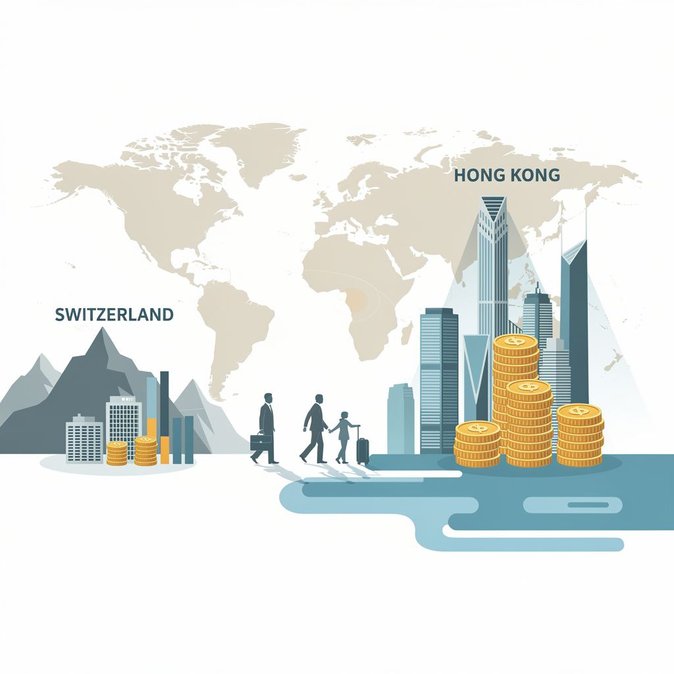
Report: Hong Kong overtakes Switzerland as the world’s leading cross-border wealth hub