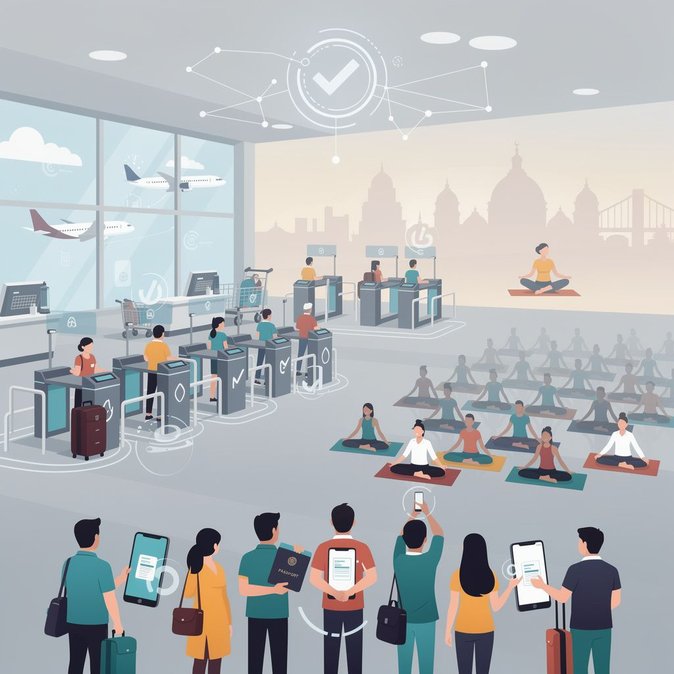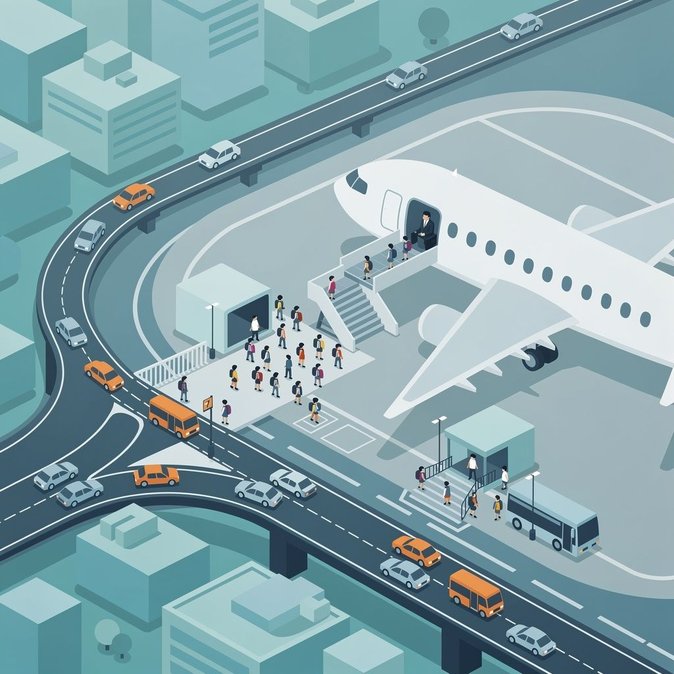
In an unusual intersection of politics, aviation security and mass mobility, Prime Minister Narendra Modi deliberately remained inside Delhi’s Indira Gandhi International Airport for 45 minutes on Sunday, 21 June 2026, so that his official motorcade would not block roads being used by hundreds of thousands of students rushing to the rescheduled NEET-UG medical entrance test. According to the Prime Minister’s Office and airport sources, the VVIP flight landed at 13:15 IST. Normal protocol would trigger a ‘green corridor’, temporarily halting traffic from the air-side gate to the PM’s residence. With exam reporting cut-off set for 13:45, the corridor risked trapping buses and app-cabs carrying examinees. Instead, Special Protection Group officials coordinated with the Bureau of Civil Aviation Security to keep the Boeing 777 parked on a remote stand while Modi worked from the aircraft lounge until 14:00, after which roads were reopened. The incident highlights India’s growing focus on mobility impact assessments for VIP movements after several high-profile traffic snarls in Mumbai and Bengaluru last year hurt business travellers. Civil aviation analysts say the decision prevented an estimated 6–8 kilometres of inner-Ring Road congestion and kept the airport’s departure kerb operating at normal capacity during a Sunday afternoon surge. For corporate travel managers, the episode underscores two trends: first, Delhi Airport’s new Airport Collaborative Decision-Making (A-CDM) cell is now looped into city-traffic control rooms to model convoy impacts; second, airlines expect more short-notice stand-plan changes, which could alter boarding-gate assignments. Companies flying executives through Delhi should monitor NOTAMs and Delhi Police advisory feeds, especially on national-event days. Although precipitated by a domestic exam, the exercise sets a template for managing VVIP traffic during global events like the BRICS Urbanisation Forum in July and the ICC Champions Trophy in October, when inbound business and tourist traffic will peak. Clearer Standard Operating Procedures may translate into fewer last-minute flight delays and smoother ground transfers for expatriates and assignees.
Source: NewsBytes
How VisaHQ can help
VisaHQ simplifies the visa application process for individuals and businesses. Check current travel requirements, prepare the required documents and manage your application online through the VisaHQ India portal.More From India
View all
IMD Issues Week-Long Heavy-Rain Alert: Airlines Activate Monsoon Diversion Plans Across North and Central India

July 2026 U.S. Visa Bulletin Signals Further EB-1 Retrogression for India—What Employers Need to Know