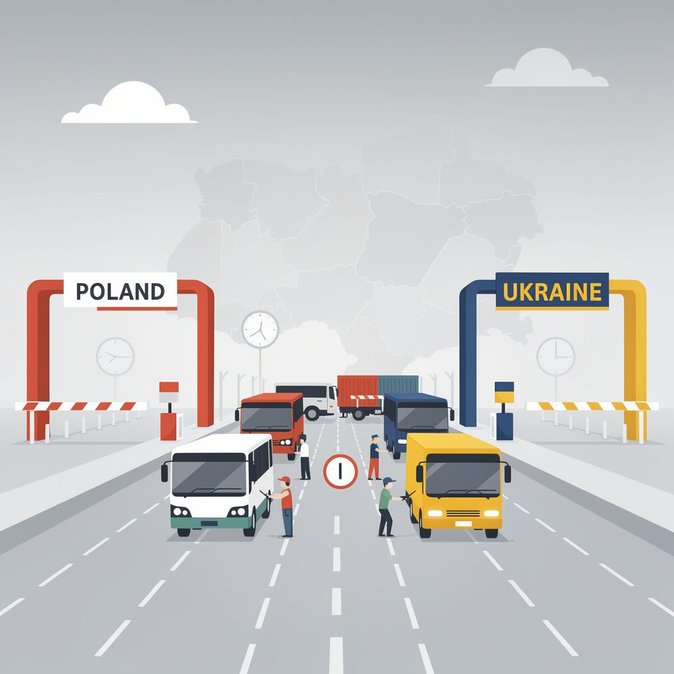
Fresh political friction between Poland and Ukraine is spilling over into the realm of cross-border mobility, prompting Warsaw to undertake a rapid review of freight and passenger flows at its eastern frontier. An in-depth report published on 22 June 2026 by Italian defence journal Analisi Difesa highlights how disagreements over security aid and minority rights have strained what was once the EU’s most open humanitarian corridor. According to the article, Polish officials are concerned that escalating rhetoric from Kyiv, coupled with accusations that neighbouring countries are ‘back-tracking on support’, could translate into unpredictable spikes in refugee or migrant movements during the summer travel season.
While no formal restrictions have been announced, Poland’s Border Guard confirmed to local media that it has activated contingency plans allowing for spot-checks on buses and rail services arriving from Lviv, as well as enhanced screening of commercial trucks carrying dual-use goods. Business mobility managers whose staff transit the Medyka–Shehyni and Dorohusk–Yahodyn crossings should prepare for longer dwell times.
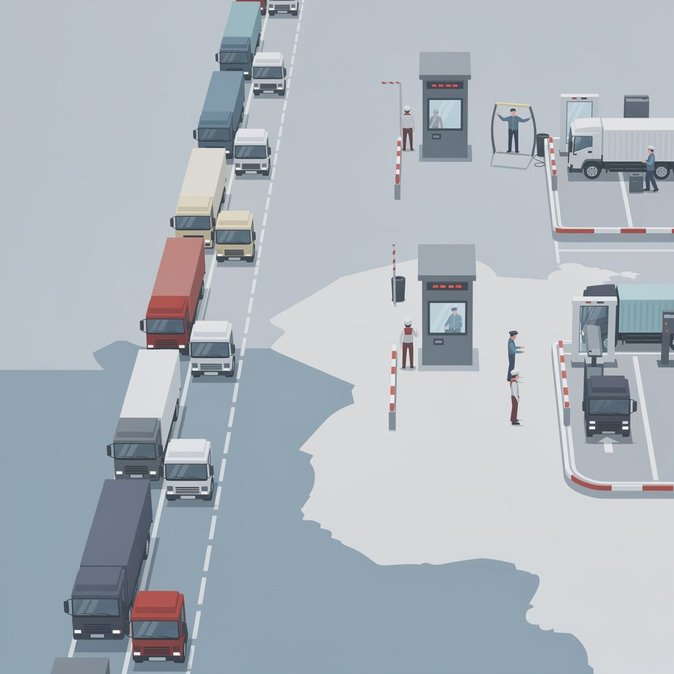
Freight forwarders already report queues of up to six hours for outbound Polish trucks as customs officers intensify inspections of agricultural cargo—an issue politically sensitive in both capitals.
Against this fluid backdrop, VisaHQ offers a practical buffer for organisations and private travellers who suddenly find themselves navigating new permit or visa wrinkles. Its digital portal for Poland (https://www.visahq.com/poland/) consolidates the latest entry requirements and can fast-track document processing, courier services, and embassy appointments—allowing mobility planners to keep people and goods moving without derailing schedules.
Behind the scenes, Warsaw is quietly consulting with Bratislava and Prague about harmonising any emergency measures, in order to prevent cargo from simply diverting through Slovakia or the Czech Republic. If coordination fails, supply-chain planners may need to budget for additional transit permits and driver rest periods.
For corporate travellers, the Foreign Ministry continues to advise a high degree of caution when entering Ukraine and urges registration in the Odyseusz system. Employers should review their duty-of-care protocols and consider contingency plans, including alternative routings via air to Rzeszów–Jasionka and onward road transfer, should overland connections deteriorate.
While no formal restrictions have been announced, Poland’s Border Guard confirmed to local media that it has activated contingency plans allowing for spot-checks on buses and rail services arriving from Lviv, as well as enhanced screening of commercial trucks carrying dual-use goods. Business mobility managers whose staff transit the Medyka–Shehyni and Dorohusk–Yahodyn crossings should prepare for longer dwell times.
Freight forwarders already report queues of up to six hours for outbound Polish trucks as customs officers intensify inspections of agricultural cargo—an issue politically sensitive in both capitals.
Against this fluid backdrop, VisaHQ offers a practical buffer for organisations and private travellers who suddenly find themselves navigating new permit or visa wrinkles. Its digital portal for Poland (https://www.visahq.com/poland/) consolidates the latest entry requirements and can fast-track document processing, courier services, and embassy appointments—allowing mobility planners to keep people and goods moving without derailing schedules.
Behind the scenes, Warsaw is quietly consulting with Bratislava and Prague about harmonising any emergency measures, in order to prevent cargo from simply diverting through Slovakia or the Czech Republic. If coordination fails, supply-chain planners may need to budget for additional transit permits and driver rest periods.
For corporate travellers, the Foreign Ministry continues to advise a high degree of caution when entering Ukraine and urges registration in the Odyseusz system. Employers should review their duty-of-care protocols and consider contingency plans, including alternative routings via air to Rzeszów–Jasionka and onward road transfer, should overland connections deteriorate.