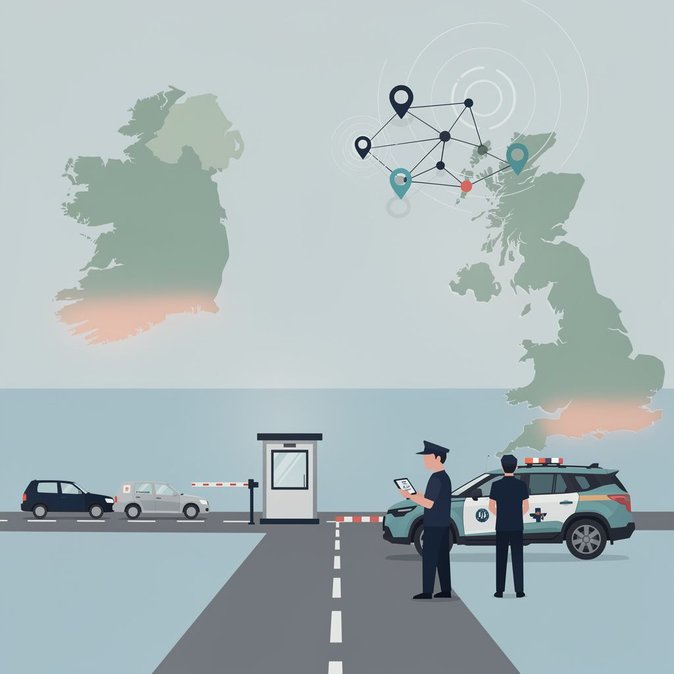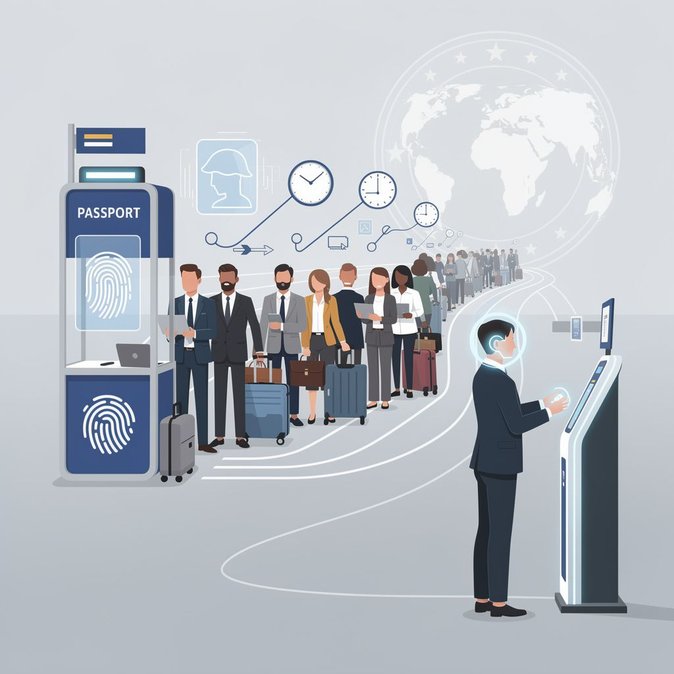
A stark new assessment from Europe’s border-agency Frontex suggests that the teething problems plaguing the EU’s Entry/Exit System (EES) will not be over quickly. Speaking on 23 June 2026, Frontex deputy executive-director Uku Särekanno told reporters that it will take “one to two years” before EES queue times stabilise. The bottleneck is first-time biometric enrolment: every non-EU traveller who has not crossed a Schengen frontier since the system went live last October must stop at a kiosk or manned desk to provide fingerprints and a facial image. Until that backlog is worked through, peak-season delays of 60-180 minutes will remain common. Why does this matter to British businesses? The UK is now the single largest source of non-EU short-stay visitors to the Schengen area. According to WTTC modelling cited by Frontex, queues of three hours or more could deter up to 16 million UK trips and wipe £17 billion off European visitor spending. Airlines UK and ABTA have already written to every Schengen member state urging emergency staffing, wider e-gate use and promotion of the voluntary “Travel to Europe” pre-registration app that lets passengers upload biometrics before travel. From an assignment-planning perspective, mobility teams should assume that: • First-time crossings will remain slow through at least summer 2027. Build an extra one-to-two hours into itineraries, particularly for tight connections at Paris-CDG, Amsterdam-Schiphol, Madrid-Barajas and Frankfurt. • Second crossings are faster. Once an employee’s fingerprints are on file the gate simply validates them and the passport chip – typically under a minute. Consider routing frequent travellers through a first enrolment on a low-risk day so subsequent trips are smooth. • ETIAS will layer on top of EES. When the EU’s new pre-travel authorisation launches in Q4 2026, UK nationals making their first Schengen trip will need both an approved ETIAS **and** full biometric capture on arrival. Brief travellers early to avoid confusion with scam websites. Corporate programme tip: record the date and port of each employee’s first EES enrolment in your traveller profile system. That single data point will let you flag who still faces the longest formalities and who can use automated lanes on future trips. Border disruption is nothing new – but Frontex’s timeline confirms that businesses must treat EES queues as a medium-term operational reality, not a passing summer glitch.
Source: ETIAS Pro
How VisaHQ can help
VisaHQ simplifies the visa application process for individuals and businesses. Check current travel requirements, prepare the required documents and manage your application online through the VisaHQ United Kingdom portal.More From United Kingdom
View all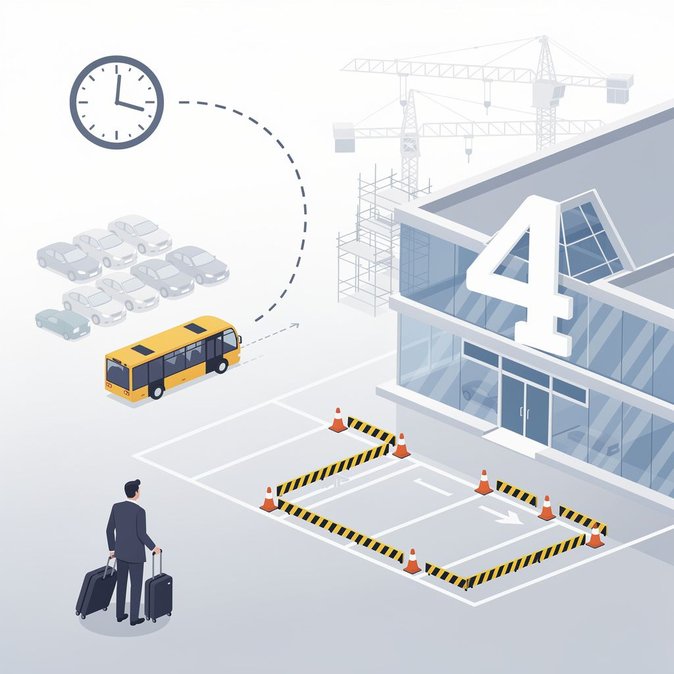
Heathrow closes Terminal 4 multi-storey car park in major redevelopment – new parking and drop-off rules from today

All the 2026 Skilled Worker visa changes in one place – higher salaries, B2 English and tougher enforcement