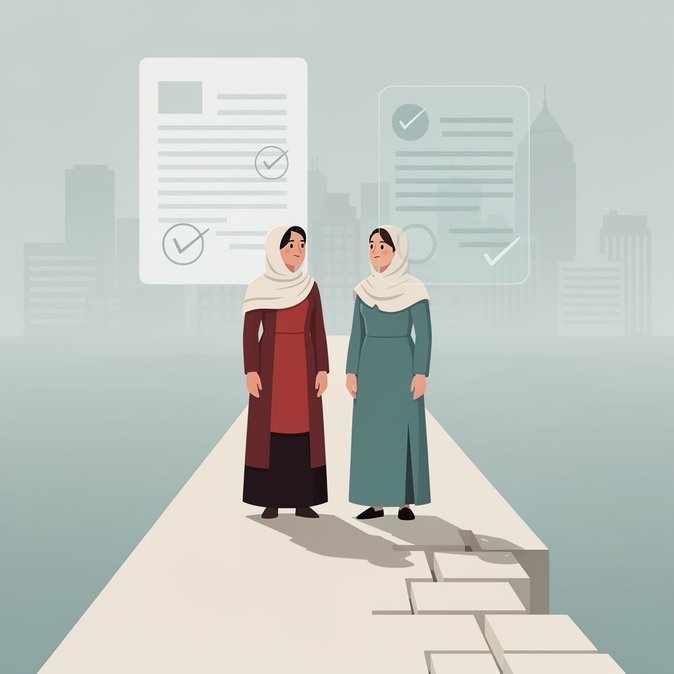
When Labour’s new asylum framework came into force in April it slashed the standard grant of refugee leave from five years to just 30 months. Noor, an Afghan national who fled the Taliban, is one of the first to feel the impact: she received only two-and-a-half years’ leave, while her sister, whose claim was decided a month earlier under the old rules, was given the traditional five-year status. The disparity has prompted charity Asylum Aid to launch a legal challenge, arguing that repeated 30-month renewals will trap refugees in limbo, drive up Home Office caseloads and make long-term integration – work, housing and family reunion – far harder. Each re-application also carries a risk of protection being withdrawn if officials deem conditions in the country of origin to have improved. For employers and universities, the shift creates uncertainty around right-to-work and right-to-study checks. HR teams may need to diarise extra visa expiry dates, while refugees themselves face higher costs and the prospect of losing continuity of residence needed for Indefinite Leave to Remain. Immigration advisers recommend that sponsors build flexibility into contracts and support staff through repeat applications. The Home Office defends the policy as a “compassionate but controlled” system, noting that several European states issue only temporary protection. Critics counter that the UK’s labour shortages make stability essential: preliminary research by Refugee Council suggests refugees granted five-year leave achieve full-time employment twice as fast as those on short permits. The High Court is expected to decide later this year whether the case can proceed to a full judicial review. In the meantime, organisations working with refugees should prepare for more frequent documentation checks and anticipate wellbeing needs linked to prolonged uncertainty.
Source: International Business Times UK