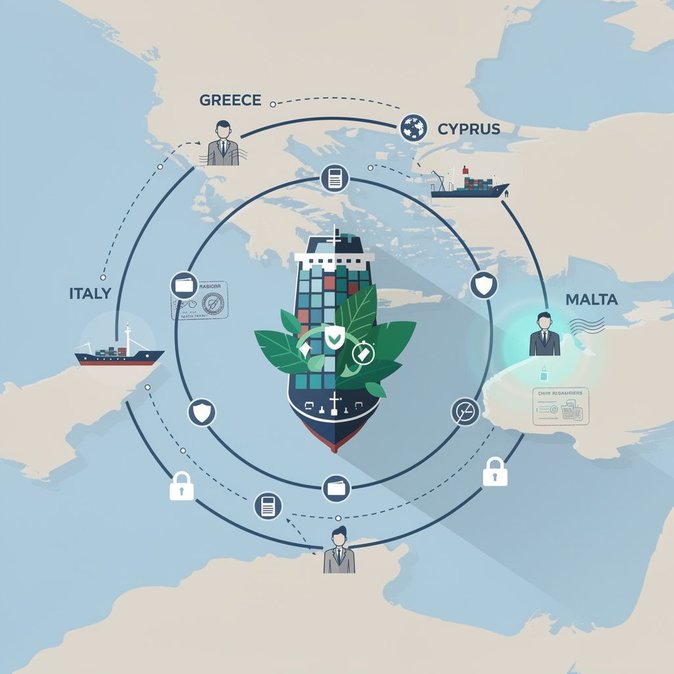
At the ‘Shaping the Future of Shipping 2026’ summit in Rome on 25 June, shipping ministers from Greece, Cyprus, Italy and Malta agreed to formalise their informal Mediterranean Shipping Quartet, pledging closer coordination on decarbonisation rules, crew-change protocols and port-state control. Cyprus Shipping Deputy Minister Marina Hadjimanolis met her counterparts Vassilis Kikilias (Greece), Edoardo Rixi (Italy) and Chris Bonett (Malta) on the sidelines of the International Chamber of Shipping (ICS) gathering. The four nations control more than 40 percent of the EU-flagged fleet and share similar concerns about fragmented regulation, high bunker costs and geopolitical chokepoints such as the Suez Canal. The ministers agreed to push the European Commission for a phased implementation of FuelEU Maritime rules and to establish a joint taskforce on maritime cybersecurity—an issue highlighted in the latest ICS Maritime Barometer released at the summit. For mobility managers the outcome matters because the quartet wants to harmonise crew-rotation procedures across their ports. A common digital ‘MedPass’ could allow seafarers to disembark and transit between the four countries without separate visa paperwork, reducing lay-over times and hotel costs for ship-managers headquartered in Limassol. Cyprus also used the event to pitch Limassol as a regional training hub for alternative-fuel bunkering, leveraging its maritime academy and growing LNG infrastructure. Should the initiative gain traction, expatriate instructors and technicians could see simplified permit procedures under a fast-track scheme the deputy ministry is drafting. Next steps include a ministerial working group meeting in Valletta in September, where draft terms of reference for the MedPass and cybersecurity collaboration will be tabled. Ship-owners and crewing agencies with operations in the Eastern Mediterranean should monitor the process, as harmonised rules could translate into lower compliance costs and faster crew movements.
Source: Cyprus Mail