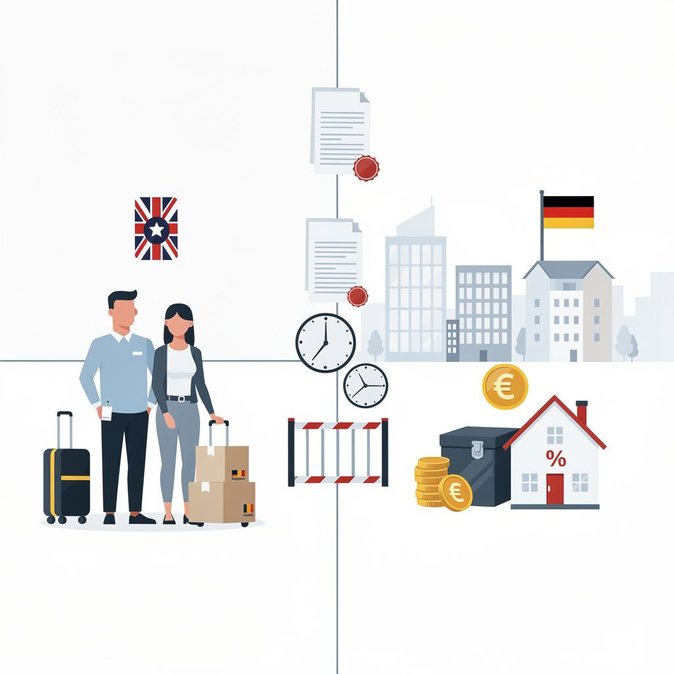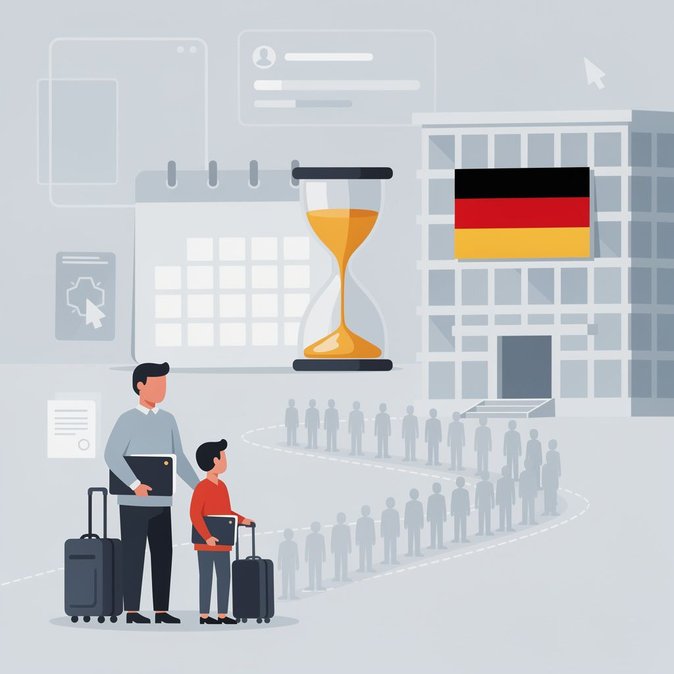
In a response updated on 24 June 2026, the Federal Government told the Bundestag that waiting times for family-reunification visa appointments at German missions abroad still range ‘from two to over 52 weeks’. The figures were supplied in answer to a Minor Interpellation from Die Linke and cover 63 embassies and consulates. The data show the longest queues at missions in Islamabad, Ankara and Addis Ababa, where spouses and children of residents in Germany may wait a full year just for an interview slot. Even for reunification with recognised refugees – a category meant to be prioritised – waits reach 32 weeks in several locations. The Foreign Office blames staffing shortages and surging demand following the lifting of pandemic backlogs; opposition MPs accuse the government of violating the constitutional right to family life.
For applicants who feel overwhelmed by the paperwork and changing embassy requirements, VisaHQ can provide a much-needed lifeline. The company’s online platform guides users through each step of the German visa process, offers personalised document checklists and monitors application status in real time. Families can therefore minimise avoidable errors while they wait for those hard-to-get appointment slots—more details are available at https://www.visahq.com/germany/
For international companies the bottlenecks create real costs: assignees cannot relocate with partners, increasing duty-of-care risks and jeopardising retention. Some firms now finance ‘Schengen first’ visits so families can at least spend 90 days together while waiting. The Interior Ministry says its new digital appointment-allocation system, to be piloted in Manila and Nairobi later this year, should cut queues by 30 %. Mobility managers should prepare employees for delays, budget for interim travel and explore Germany’s little-used option of obtaining the family visa after arrival under §39 Nr.3 AufenthV, where local authorities co-operate.
For applicants who feel overwhelmed by the paperwork and changing embassy requirements, VisaHQ can provide a much-needed lifeline. The company’s online platform guides users through each step of the German visa process, offers personalised document checklists and monitors application status in real time. Families can therefore minimise avoidable errors while they wait for those hard-to-get appointment slots—more details are available at https://www.visahq.com/germany/
For international companies the bottlenecks create real costs: assignees cannot relocate with partners, increasing duty-of-care risks and jeopardising retention. Some firms now finance ‘Schengen first’ visits so families can at least spend 90 days together while waiting. The Interior Ministry says its new digital appointment-allocation system, to be piloted in Manila and Nairobi later this year, should cut queues by 30 %. Mobility managers should prepare employees for delays, budget for interim travel and explore Germany’s little-used option of obtaining the family visa after arrival under §39 Nr.3 AufenthV, where local authorities co-operate.