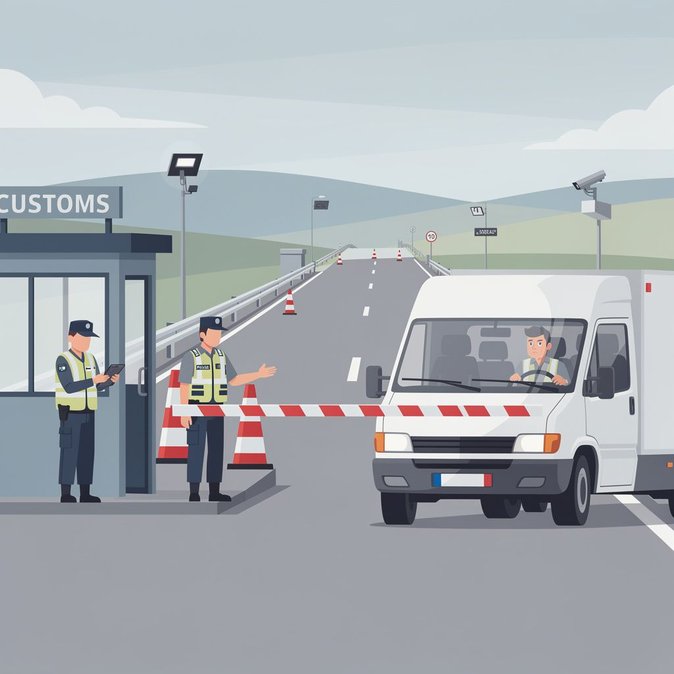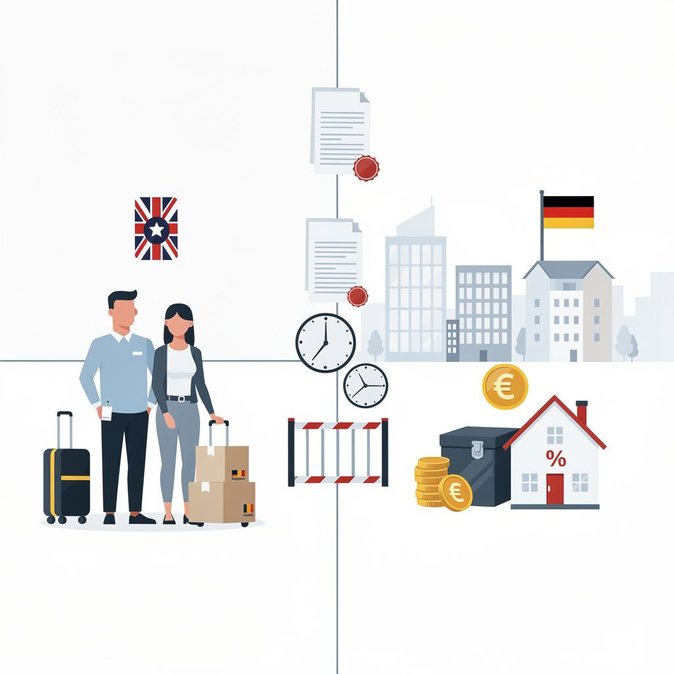
A decade after the UK referendum, Britons living in Germany say Brexit continues to limit career prospects, raise bureaucracy and inflate everyday costs, according to reader responses published by The Local on 25 June 2026. Participants cited loss of automatic EU mobility, customs duties on shipments from the UK and expensive dual-passport fees as persistent headaches. One Cologne resident said he had to naturalise as a German citizen to keep his job, while an entrepreneur in Frankfurt described paying import charges on birthday gifts. A British–German couple who relocated in 2022 still cannot secure a mortgage because both spouses earn in sterling, illustrating banking obstacles faced by cross-border earners. Since January 2026 Britons require a residence-by-right card or national visa to take up employment in Germany, and professional qualifications must be recognised under the Skilled Workers Directive instead of mutual EU rules. These changes pose additional paperwork for HR teams transferring UK nationals. Companies should plan longer lead times – Berlin’s average blue-card processing for third-country citizens now stands at eight weeks, versus three before 2021 – and budget for translation and notarisation of UK certificates. On the upside, several Länder have introduced ‘fast-track’ units for English-speaking applicants in tech and finance, but capacity remains limited. Employers are therefore advising critical staff to apply for the EU-wide ICT Permit or Germany’s new Chancenkarte where eligibility allows, offering more flexible access to the single market than a national permit alone.
Source: The Local Germany