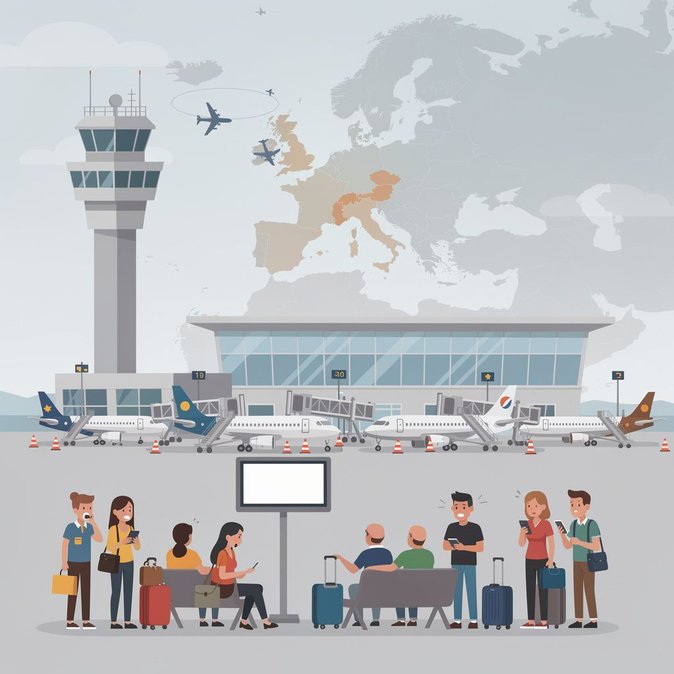
Russian newswire AK&M reported late on 24 June that mass strikes across Europe continue to disrupt aviation and rail, highlighting Spain’s ongoing public-transport stoppages that began in November 2025 and show no sign of resolution. The indefinite action, which affects bus and metro services in several regions, compounds the national ATC and Renfe disputes, creating a multilayered challenge for mobility planners.
Amid these complexities, travellers rerouting through alternative hubs may encounter unexpected visa requirements. VisaHQ can streamline the paperwork for Spain and neighbouring countries, offering expedited processing, real-time status alerts and expert support to keep itineraries compliant even when plans change suddenly: https://www.visahq.com/spain/
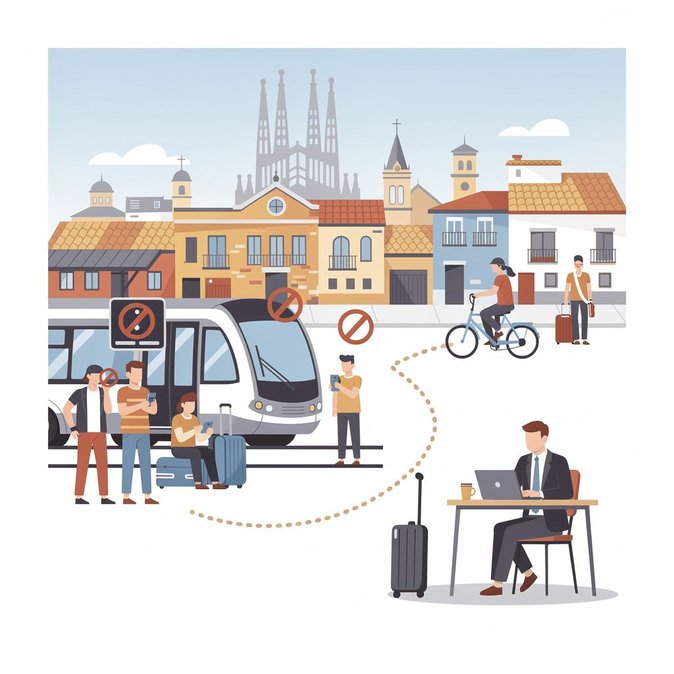
Although Madrid’s EMT buses and Barcelona’s TMB metro maintain minimum services, urban commuters face service gaps of up to 20 minutes at peak times. Employers with strict clock-in policies risk breaching Spain’s working-time recording rules if lateness becomes systemic; HR departments should review flexible-work arrangements. International arrivals suffer knock-on effects: travellers landing at Madrid-Barajas often queue 40 minutes for taxis because fewer airport buses are running, while corporate groups bound for trade fairs in Barcelona must budget for ride-share surcharges. Event organisers are considering charter buses to guarantee delegate transfers. The strike wave places Spain on the European Corporate Travel Council’s “Heightened Disruption” list through mid-July. Businesses with pan-EU mobility programmes should map alternative multimodal corridors—such as combining high-speed rail in France with short-haul flights into regional Spanish airports less affected by strikes. With wage talks frozen, analysts predict the industrial unrest could drag into the late-summer holiday peak, potentially shaving 0.2 percentage points off Spain’s Q3 tourism GDP if not resolved.
Amid these complexities, travellers rerouting through alternative hubs may encounter unexpected visa requirements. VisaHQ can streamline the paperwork for Spain and neighbouring countries, offering expedited processing, real-time status alerts and expert support to keep itineraries compliant even when plans change suddenly: https://www.visahq.com/spain/
Although Madrid’s EMT buses and Barcelona’s TMB metro maintain minimum services, urban commuters face service gaps of up to 20 minutes at peak times. Employers with strict clock-in policies risk breaching Spain’s working-time recording rules if lateness becomes systemic; HR departments should review flexible-work arrangements. International arrivals suffer knock-on effects: travellers landing at Madrid-Barajas often queue 40 minutes for taxis because fewer airport buses are running, while corporate groups bound for trade fairs in Barcelona must budget for ride-share surcharges. Event organisers are considering charter buses to guarantee delegate transfers. The strike wave places Spain on the European Corporate Travel Council’s “Heightened Disruption” list through mid-July. Businesses with pan-EU mobility programmes should map alternative multimodal corridors—such as combining high-speed rail in France with short-haul flights into regional Spanish airports less affected by strikes. With wage talks frozen, analysts predict the industrial unrest could drag into the late-summer holiday peak, potentially shaving 0.2 percentage points off Spain’s Q3 tourism GDP if not resolved.