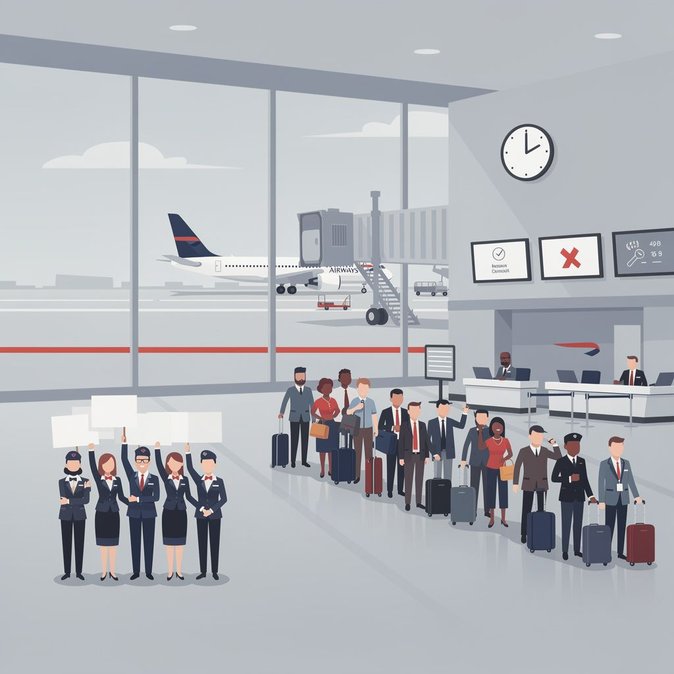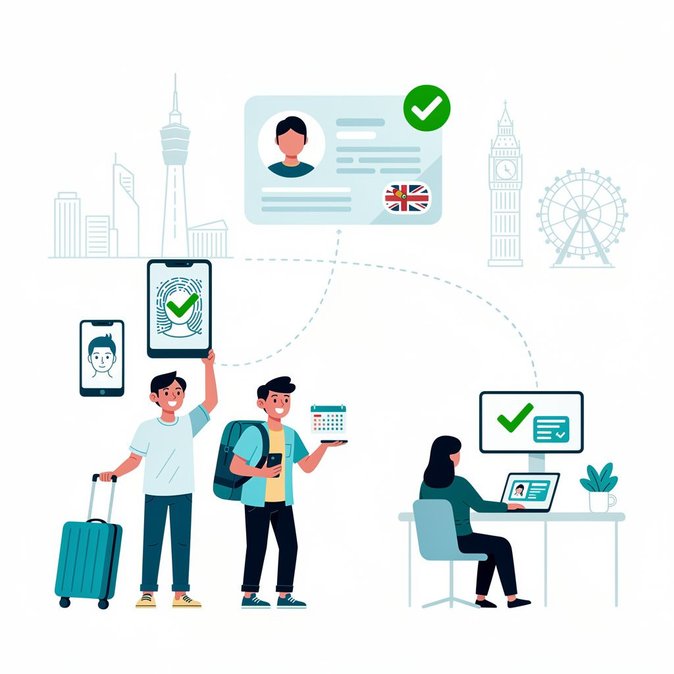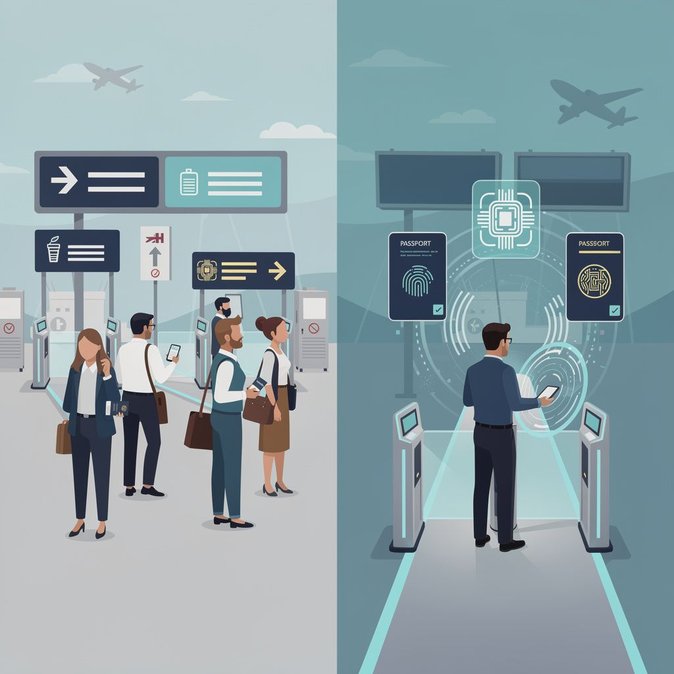
The Independent Chief Inspector of Borders and Immigration (ICIBI) has delivered a stinging assessment of the way Border Force refuses or cancels permission to enter the United Kingdom. In a report released on 25 June 2026, inspectors say that the current system operates as “a patchwork of local practices rather than a coherent national model,” with inconsistent data collection and little strategic oversight. The review covered refusals issued between September 2025 and February 2026 at airports, seaports and juxtaposed controls in France, Belgium and the Netherlands. While the ICIBI found no evidence of inappropriate decisions, it warned that the face-to-face model on which refusals still rely is “out of step” with the Home Office’s goal of a fully digital, contact-less border built around Electronic Travel Authorisations (ETAs) and eVisas. The report highlights gaps such as paper-based record-keeping at some ports, limited feedback loops to intelligence teams, and uneven training on new digital tools. It calls for a clear national strategy that defines when and how refusals should be used once most travellers are pre-cleared online. Business-travel stakeholders will note two accepted recommendations that must now be implemented. First, Border Force must develop a central performance framework so that trends—such as spikes in inadmissible passengers on particular routes—can be identified early and addressed with carriers. Second, the Home Office must publish updated guidance clarifying how ETA risk-assessment results feed into on-arrival decisions. Carriers have lobbied for this transparency so they can fine-tune advance passenger screening and reduce costly fines for bringing improperly documented travellers. For global mobility managers, the findings underscore the importance of robust document and status checks before employees board flights to the UK. Even with ETAs, individuals may still be refused if their online answers are incomplete or new intelligence emerges between approval and arrival. The report also foreshadows a more data-driven border: organisations should be ready to share advance passenger information earlier and in more granular formats. A smoother, technology-enabled refusal process could ultimately shorten queues—but only if airlines, ferry operators and corporates adapt their compliance workflows in tandem. The Home Office has accepted both recommendations and says work is already under way; implementation updates are expected in the fourth quarter. Companies running frequent assignee rotations into Britain should monitor those updates, refresh their travel policies and ensure travellers can access their UKVI online accounts at short notice to show real-time status at the border.