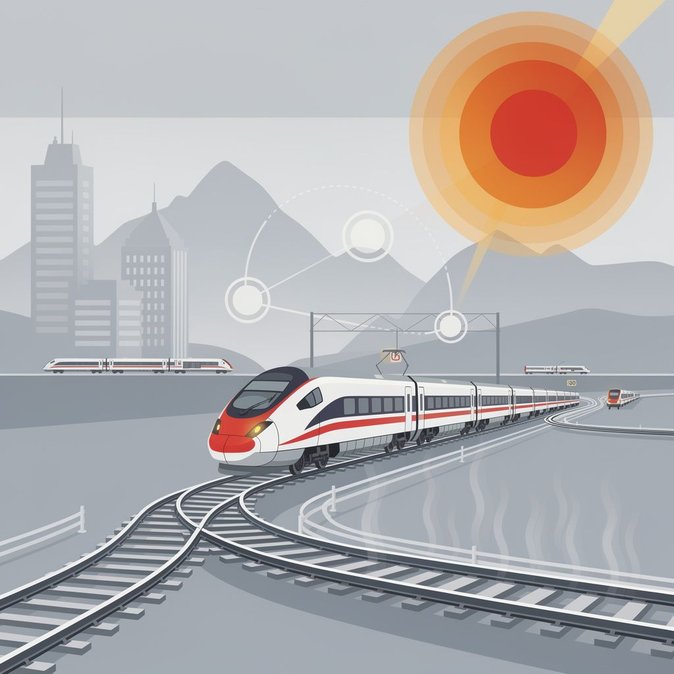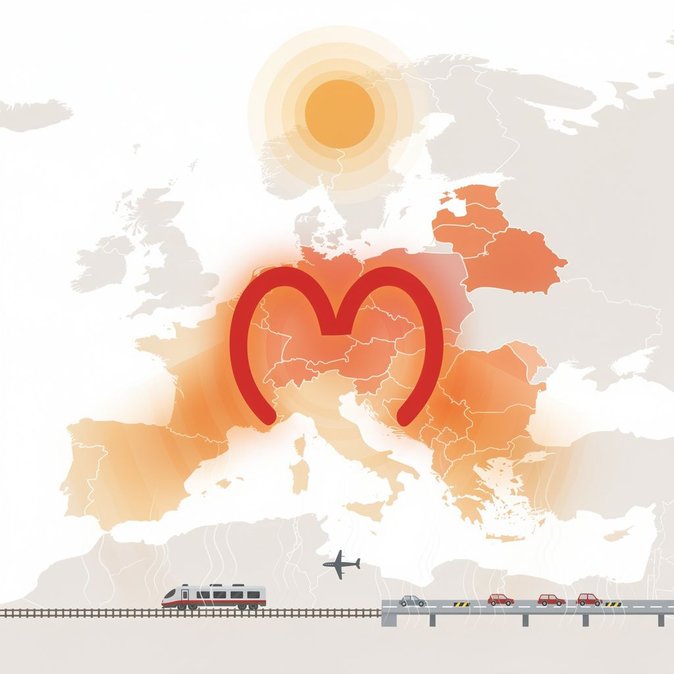
Reuters meteorologists confirmed on Friday that the current Omega-block heatwave is the most intense ever modelled for Europe in June, with deviations up to 18 °C above seasonal norms. Austria, alongside Italy and Germany, sits in the core of the heat dome; GeoSphere scientists say the 40.5 °C national record set in Bad Deutsch-Altenburg in 2013 could fall on Sunday. Infrastructure is already straining. German autobahns buckled near Magdeburg, and French authorities have banned public alcohol consumption in Paris.
Companies scrambling to reroute staff or arrange emergency travel should note that entry requirements can change without warning when embassies modify hours or airlines alter routings due to extreme weather. VisaHQ’s Austria portal (https://www.visahq.com/austria/) consolidates real-time consular updates, offers rapid e-visa processing, and provides courier services—helpful when last-minute permits are needed to move travellers through cooler third-country hubs or when heat advisories curtail in-person applications.
In Austria, road contractors have deployed infrared drones to scan for asphalt shear on the A4 to the airport, and ÖBB is watering ballast beds to keep rail temperatures below 60 °C. From a mobility perspective, the pan-European nature of the event means that alternative routing options are limited: Iberian Peninsula airports are running near capacity as travellers attempt to re-route from Central Europe, and Eurocontrol has warned airlines of widespread ATC slot restrictions due to heat-induced thunderstorm risks. Climate scientists from the World Weather Attribution group state that such an event would have been “virtually impossible” without human-driven climate change, increasing pressure on companies to include extreme-heat clauses in travel risk assessments and duty-of-care policies. Global mobility teams are advised to review remote-work contingencies, ensure travellers have access to emergency medical support for heatstroke, and monitor local bans (e.g., Italy’s prospective afternoon driving limits for trucks) that could further disrupt supply chains.
Companies scrambling to reroute staff or arrange emergency travel should note that entry requirements can change without warning when embassies modify hours or airlines alter routings due to extreme weather. VisaHQ’s Austria portal (https://www.visahq.com/austria/) consolidates real-time consular updates, offers rapid e-visa processing, and provides courier services—helpful when last-minute permits are needed to move travellers through cooler third-country hubs or when heat advisories curtail in-person applications.
In Austria, road contractors have deployed infrared drones to scan for asphalt shear on the A4 to the airport, and ÖBB is watering ballast beds to keep rail temperatures below 60 °C. From a mobility perspective, the pan-European nature of the event means that alternative routing options are limited: Iberian Peninsula airports are running near capacity as travellers attempt to re-route from Central Europe, and Eurocontrol has warned airlines of widespread ATC slot restrictions due to heat-induced thunderstorm risks. Climate scientists from the World Weather Attribution group state that such an event would have been “virtually impossible” without human-driven climate change, increasing pressure on companies to include extreme-heat clauses in travel risk assessments and duty-of-care policies. Global mobility teams are advised to review remote-work contingencies, ensure travellers have access to emergency medical support for heatstroke, and monitor local bans (e.g., Italy’s prospective afternoon driving limits for trucks) that could further disrupt supply chains.