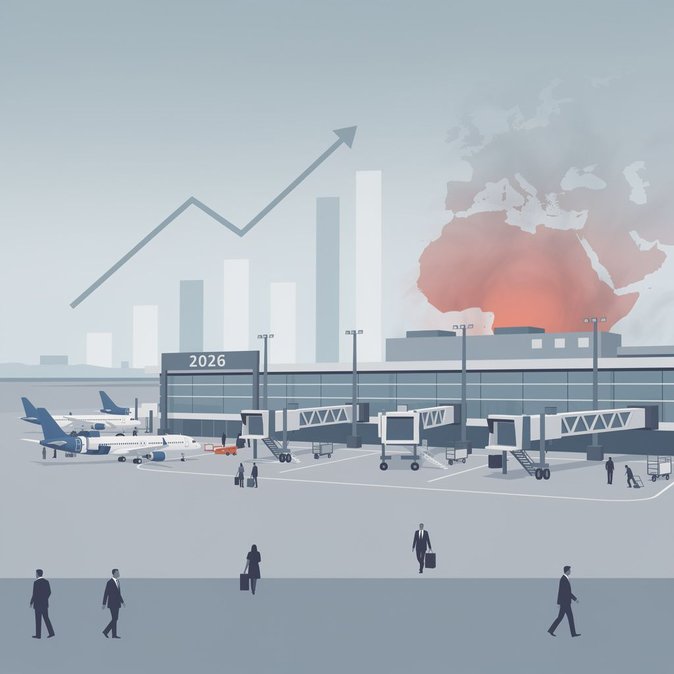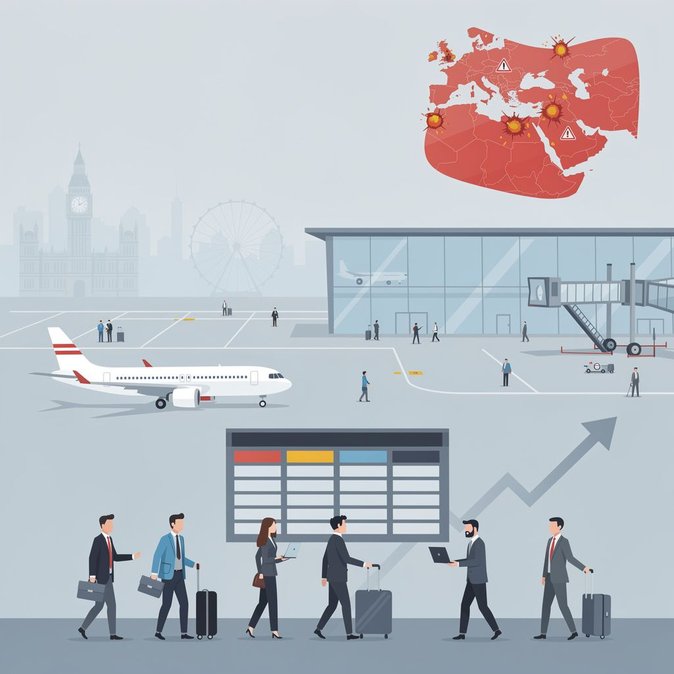
London Heathrow warned investors on 26 June that it now expects 83.6 million passengers in 2026—1.1 % fewer than previously forecast—and a £147 million fall in annual profit as the Iran war depresses demand for long-haul travel. The UK hub said connecting traffic had risen modestly as Gulf carriers reroute, but overall origin-and-destination bookings to the Middle East and key emerging markets are “soft”. Heathrow’s previous guidance assumed continued post-pandemic growth of around 3 %. For multinational firms, the downgrade signals thinner seat capacity and potentially higher fares on routes to Asia-Pacific that rely on onward connections through Gulf hubs. Flight-search data from OAG show London–Singapore capacity down 4 % month-on-month for July schedules, while premium-economy yields have risen 12 % year-to-date. The airport said it is “engaging closely” with the Civil Aviation Authority on the cost of its controversial third-runway project after the Department for Transport suggested the economic benefit could be 90 % lower than earlier estimates. Any delay could impede the extra slot pairs global mobility teams had pencilled in for late-decade expansion of expatriate assignments. Travel-programme managers should expect continuing volatility in airfares to and through Heathrow and consider alternative hubs such as Amsterdam or Frankfurt for assignments into affected regions.
Source: The Guardian