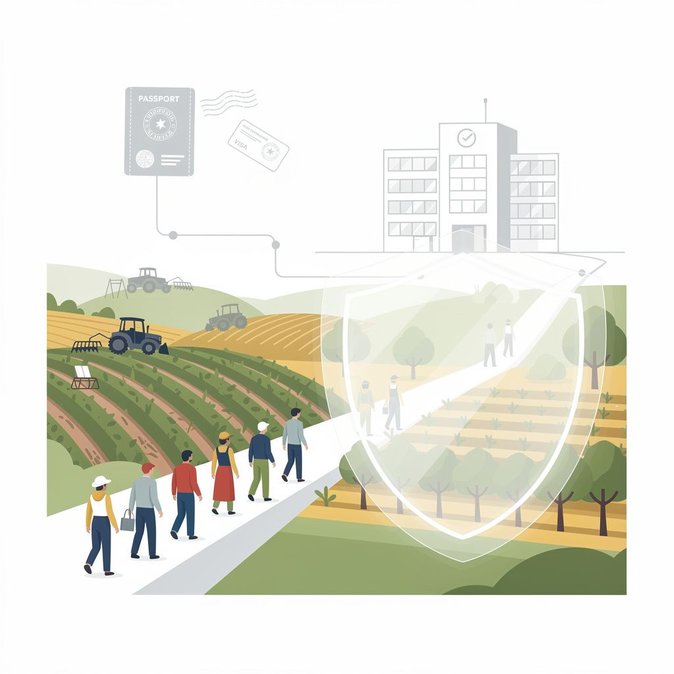
Italy’s largest farmers’ union Coldiretti used a 26 June conference at Palazzo Rospigliosi in Rome to unveil a multi-stakeholder protocol aimed at filling a chronic shortage of seasonal farm labour and stamping out illegal gang-master practices. Signatories include Filiera Italia, the International Organization for Migration (IOM) and social-enterprise foundation E4Impact. The initiative comes as Coldiretti estimates that Italian agriculture is short of 100,000 workers at the height of the summer harvest. One-third of the country’s roughly one million farm hands are already foreign nationals—mainly from Romania, India, Morocco, Albania and Senegal—but outdated quota timing means many arrive after crops have spoiled. Under the new pact, participating growers will gain access to ‘safe recruitment corridors’ organised with Italian consulates and vetted overseas training centres. Workers will receive pre-departure skills certification and guaranteed contracts uploaded to the Interior Ministry’s digital portal, bypassing the controversial click-day scramble for quotas. In return, employers must join the national ‘Rete del Lavoro Agricolo di Qualità’, submit to unannounced inspections and provide decent housing. The group is also lobbying the government to make the experimental ‘lavoro occasionale agricolo’ scheme—used by 10,000 mainly pensioners and students—permanent, reducing pressure on the formal seasonal-visa system. For multinationals in Italy’s food-processing sector the stakes are high: supply-chain audits increasingly require proof that raw materials are free from labour exploitation. The protocol provides a compliance roadmap that could become an industry standard if the 2026 grape and fruit harvests proceed without major scandals.
Source: WineNews