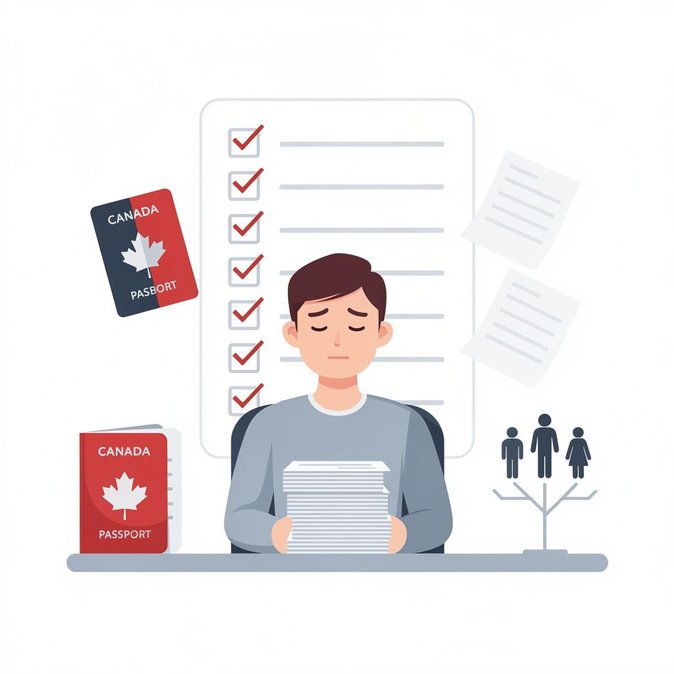
A new guidance article published on June 27 by CIC News is drawing attention from Canadian expatriates planning to pass citizenship to children born abroad. The piece explains when Immigration, Refugees and Citizenship Canada (IRCC) requires a long-form versus short-form birth certificate in proof-of-citizenship cases. IRCC quietly updated checklist CIT-0014 earlier this month; while the form does not always mandate a long-form certificate, the news outlet warns that short-form documents often omit parentage details and risk refusal. Long-form certificates list parents’ names, birthplaces and registration particulars—key evidence when claiming status through parents or grandparents. Processing backlogs for citizenship proofs average 18 weeks, but incomplete documentation can push timelines past a year, delaying Canadian passports and status cards that relocating families rely on for travel and benefits. HR teams moving second-generation Canadians overseas should therefore verify that dependants hold acceptable birth records before assignments begin. If documents must be ordered from provincial vital-statistics offices or foreign registries, current lead-times range from two to eight weeks and may require in-person pickup. The guidance also includes a province-by-province directory for ordering long-form certificates and reminds applicants that translated documents must be certified by a Canadian-accredited translator or accompanied by an affidavit.
Source: CIC News