Record-breaking heatwave disrupts road, rail and air travel across Germany
Two-hour Fernpass blockade highlights Alpine transit vulnerability for German holiday traffic
ETIAS update: travellers aged 70+ will pay no fee—but still need authorisation for Germany
Latest News
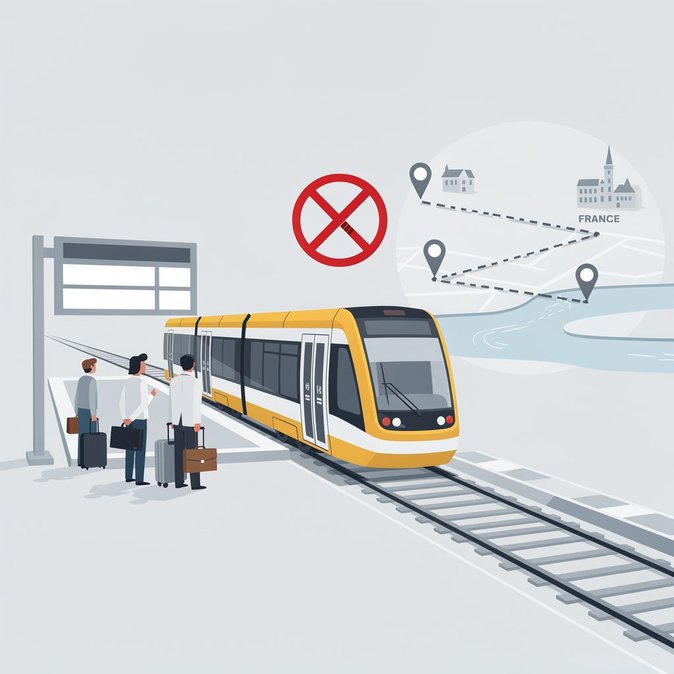
GDL calls fifth Saarbahn strike (26–29 June), snarling commuter flows in south-west Germany
The train-drivers’ union GDL began a 26–29 June strike at Saarbahn, disrupting Saarbrücken’s light-rail network and cross-border commuting on Saturday 27 June. Businesses in south-west Germany should arrange alternatives and remind travellers of refund rights.
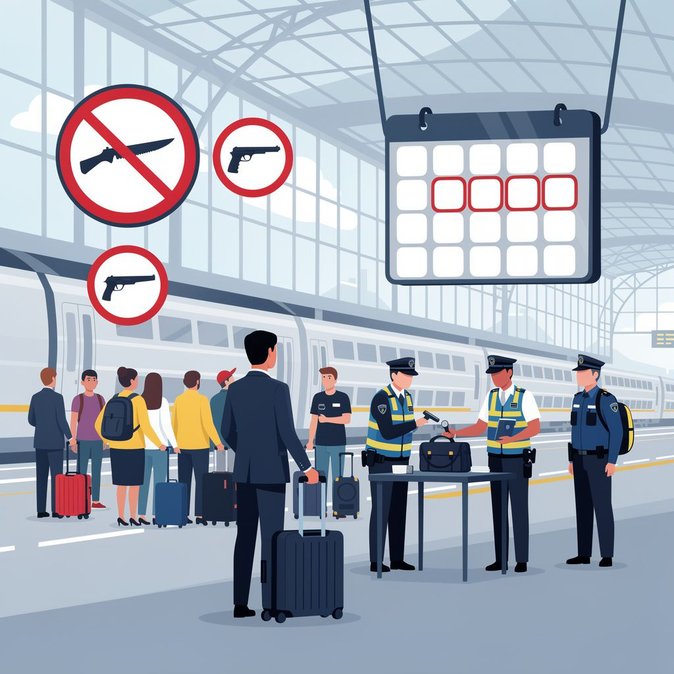
Federal Police ban weapons at eleven major rail hubs for holiday weekend
From 26–28 June the Federal Police have outlawed knives, firearms and similar items at ten NRW main stations and Bremen Hbf, citing holiday crowds and elevated assault statistics. Passengers will see intensified bag checks and risk fines or ejection if found with prohibited objects, so business travellers should plan extra time and avoid packing tools in hand luggage.
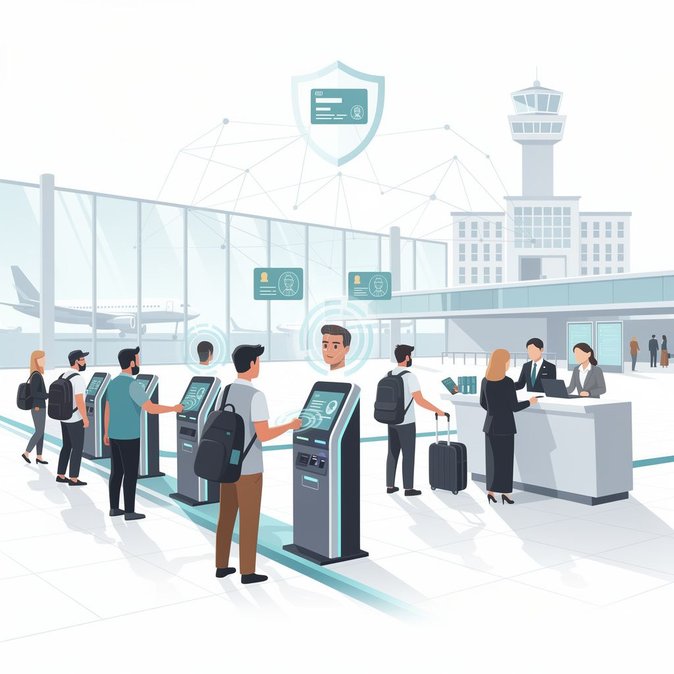
Bundestag approves Digital Passenger Processing Act to speed up airport check-in
On 26 June 2026 the Bundestag passed a law allowing fully digital passenger handling at German airports. The measure authorises biometric self-service kiosks, app-based boarding passes tied to government digital IDs and real-time data links to the Federal Police, while keeping a manual option. Airports have until 2027 to install the technology, a move expected to cut queues and lift capacity just as the EU’s new Entry/Exit System arrives.
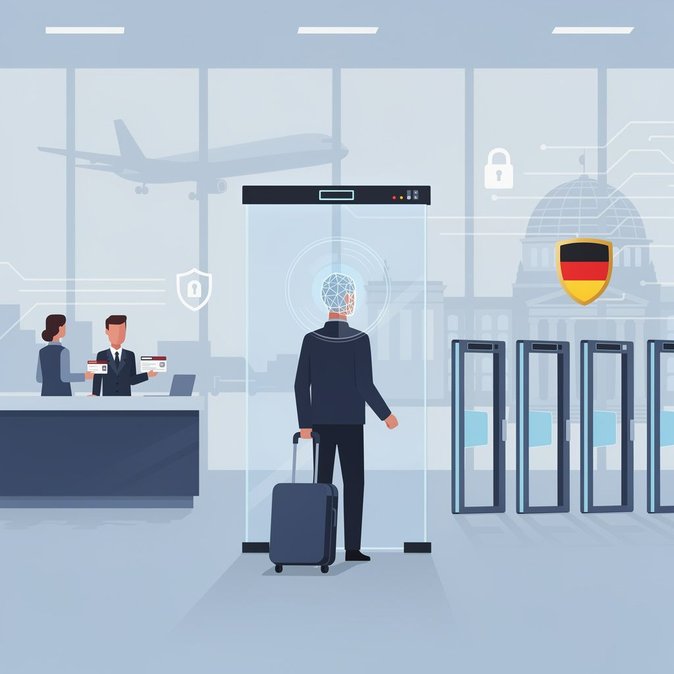
Bundestag Passes Law to Allow Fully Digital Passenger Processing at German Airports
Germany’s parliament has adopted a law permitting completely digital, biometric passenger handling at all national airports. Enrolled travellers will move through check-in, security, border control and boarding by facial recognition only, while traditional processing remains available on request. The reform promises shorter queues and stronger fraud protection but obliges airlines and airports to invest heavily in certified IT and to respect strict GDPR safeguards.
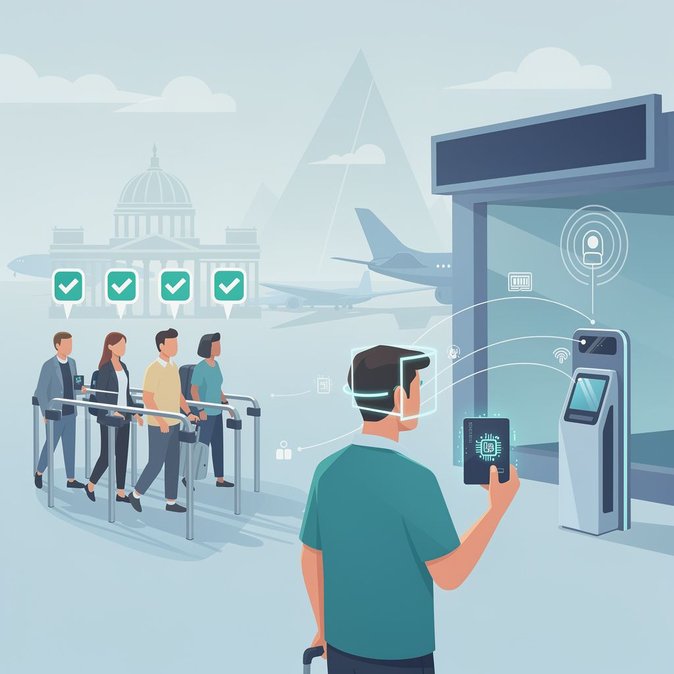
Bundestag passes Digital Passenger Processing Act, paving the way for biometric check-in at German airports
On 26 June the Bundestag approved legislation that lets airlines and airports use the embedded chips in passports and ID cards for fully digital, biometric passenger processing. Participation is voluntary, data must be deleted within three hours, and the first nationwide roll-out is expected this autumn. Businesses foresee faster boarding and reduced queuing, while privacy advocates secured strict deletion rules and a 2031 review.
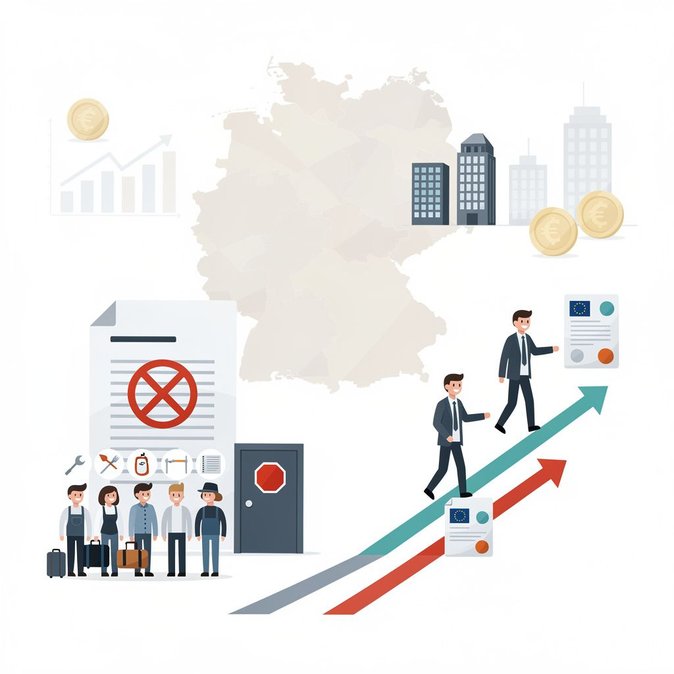
Germany Scraps New Guest-Worker Residence Permits, Redirects Employers to EU Blue Card and Opportunity Card
Germany has formally ended its low- and semi-skilled guest-worker residence-permit category. Applications filed after 6 June 2026 are no longer accepted; employers must move candidates to the EU Blue Card, the new §19c experience route, or intra-corporate-transfer cards. The shift aligns immigration with labour-market needs but forces companies to raise salaries and re-tool compliance workflows.
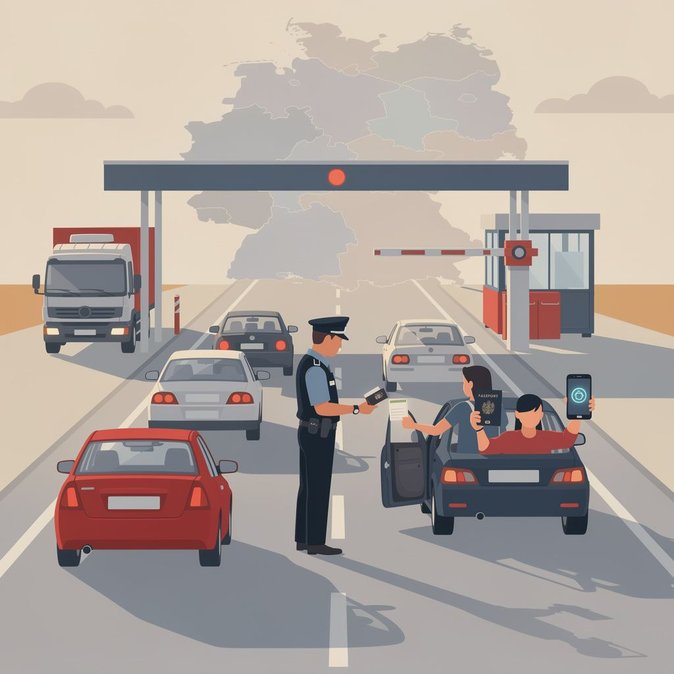
Germany extends internal border controls to 15 September 2026, warns of summer queues
Berlin has renewed its temporary border checks at all land frontiers until 15 September 2026. The move, intended to curb people-smuggling, will coincide with the summer travel rush and is likely to cause delays for holiday traffic and supply-chain shipments. Businesses should factor longer transit times and ensure staff have hard-copy passports as well as digital credentials.

EU proposes to extend Temporary Protection for Ukrainians in Germany until March 2028
The European Commission has proposed extending the Temporary Protection Directive for Ukrainians by one year, to 4 March 2028. Germany—home to about one quarter of all beneficiaries—backs the move, saying it safeguards workforce planning and municipal budgets. Military-age men arriving after adoption would be excluded, a carve-out some German employers criticise. If approved by the Council, the extension will give businesses and authorities another 21 months of legal certainty.
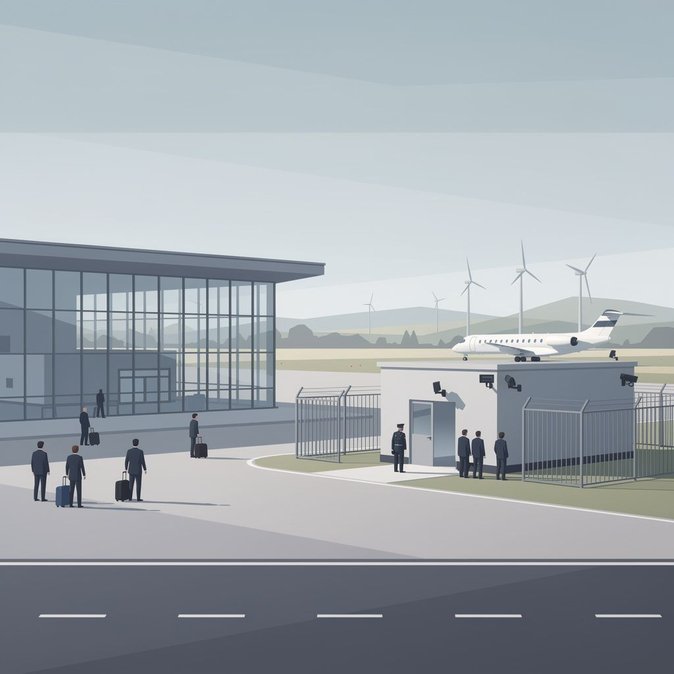
Planned Munich Airport deportation terminal grows to 4,860 m², prompting outcry
Munich Airport’s dedicated deportation terminal will be enlarged to 4,860 m², enabling up to 100 removals a day from 2028. The €4.2 million-per-year facility, now outside the regular airport zone, has sparked criticism from Freising officials and rights groups but is defended by the Interior Ministry as a way to streamline charter deportations.
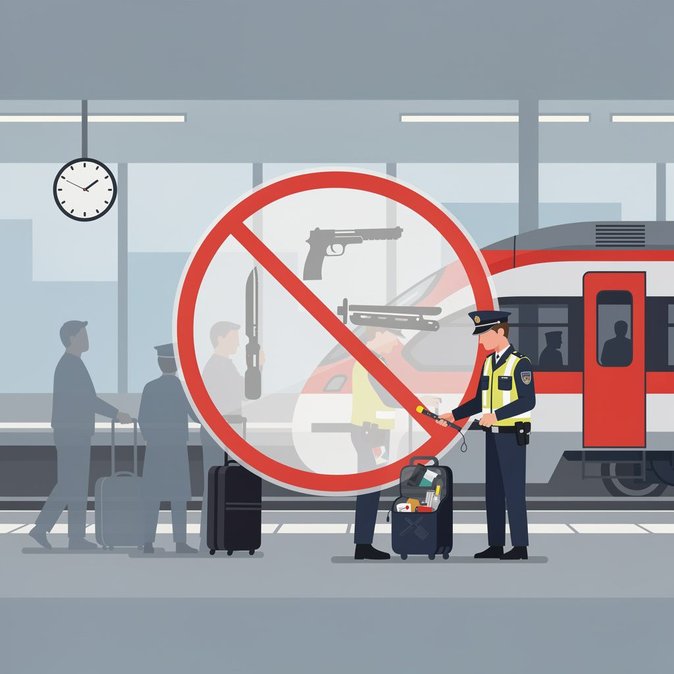
Federal Police Impose Weekend Weapon-Free Zones at 11 Major German Rail Stations
From 26–28 June, the Federal Police have banned all knives, guns and similar objects at 10 rail stations in North Rhine-Westphalia and at Bremen’s main station. Travellers should prepare for bag searches and possible fines; Deutsche Bahn warns of longer connection times. The move reflects a broader trend toward permanent weapon-free zones in Germany’s transport network.
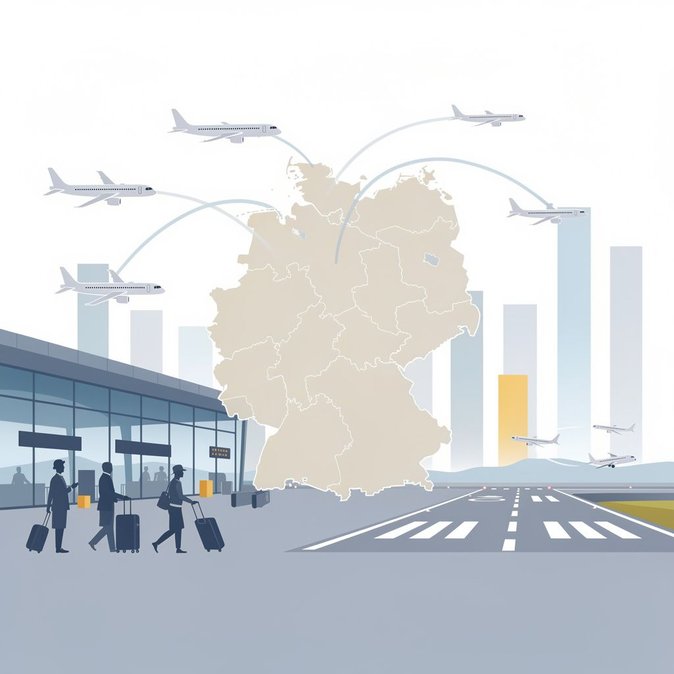
ADV data: German airports handled 19.8 million passengers in May, recovery reaches 88 % of 2019
ADV statistics published 26 June show German airports handled 19.77 million passengers in May 2026, 2.7 million more than April and 88.5 % of May 2019 levels. European leisure travel is almost fully back, but domestic flights and aircraft movements lag, highlighting capacity constraints even as demand returns.
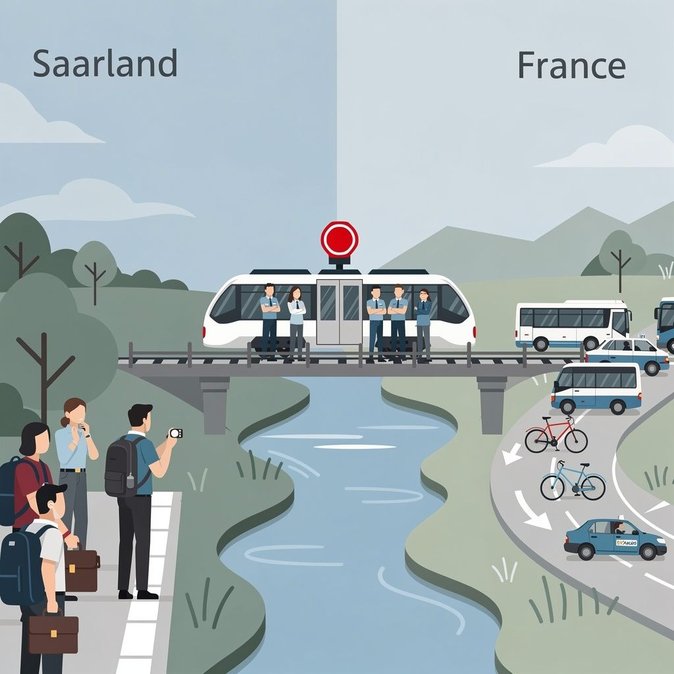
GDL Calls 24-Hour Strike on Saarbahn Light-Rail Line, Halting Regional Commuter Services
Train-drivers’ union GDL has halted Saarbahn’s S1 light-rail service for 24 hours starting 26 June, disrupting commuter flows between Saarland and France. The strike highlights unresolved wage disputes at smaller transport companies outside the national rail accord and forces employers to activate alternative mobility plans.
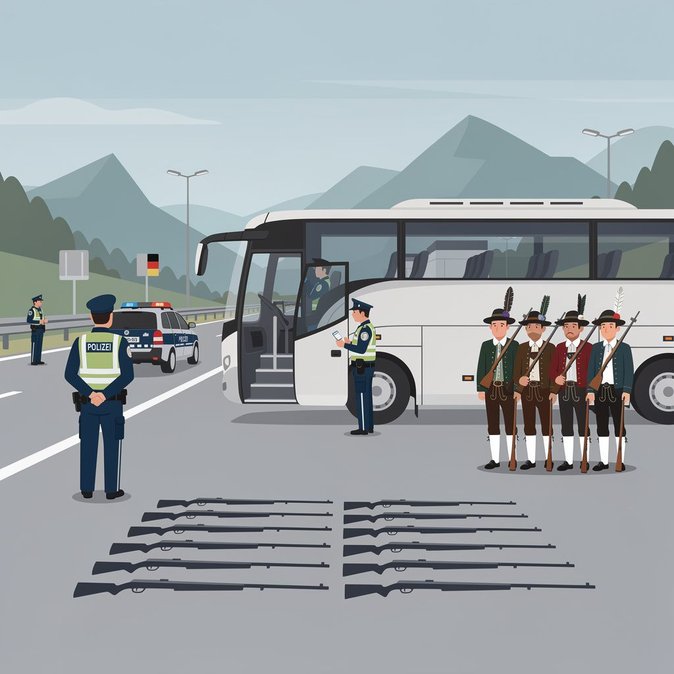
Border Control Spotlight: German Police Seize 34 Rifles from Tyrolean Marksmen Bus at Bad Reichenhall
During stepped-up border checks near Bad Reichenhall on 26 June, German police confiscated 34 rifles from a bus of Tyrolean marksmen who lacked the correct EU firearms transit papers. The episode illustrates how Germany’s intensified land-border regime can catch even traditional cultural groups and highlights the need for meticulous compliance on cross-border coach trips.