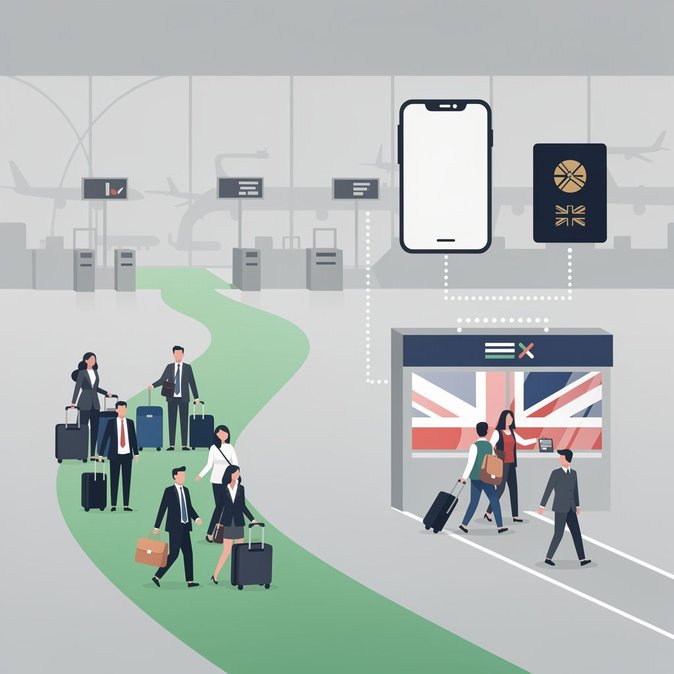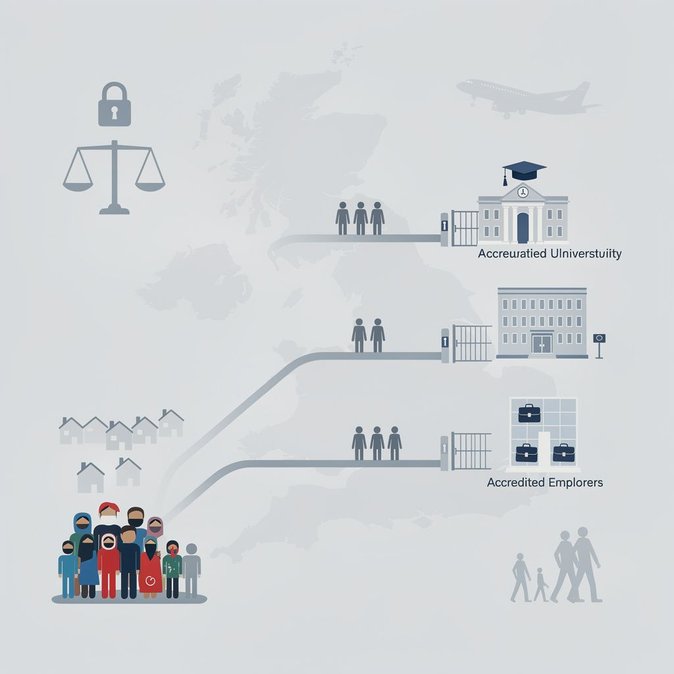
The Home Office used the final weekend of parliament before the summer recess to outline the biggest redesign of the UK’s refugee resettlement architecture since the Syrian Vulnerable Persons scheme a decade ago. In a speech in London on 27 June 2026, Home Secretary Shabana Mahmood confirmed that three capped “safe and legal” pathways will open later this year, allowing community groups, universities and, for the first time, accredited employers to sponsor recognised refugees to come to Britain. Officials say the model is inspired by Canada’s long-running community-sponsorship programme and by the UK’s own Ukraine and Hong Kong schemes, but with stricter eligibility checks and annual quotas set by parliament. Universities will be able to offer fee waivers and accommodation to displaced students, while employers must pay the national median wage and commit to a multi-year integration plan. The government believes the routes will scale well beyond the 20,000 places filled under the current UK Resettlement Scheme, easing pressure on small-boat crossings and hotel accommodation. At the same time, Mahmood confirmed that an Immigration and Asylum Bill will be introduced after the summer to narrow the use of human-rights defences in removal cases. The legislation will restrict the definition of “family life” under Article 8 of the European Convention on Human Rights to immediate relatives only and introduce a statutory presumption that late-stage modern-slavery claims are “vexatious” unless clear evidence is produced. Business immigration advisers note a delicate balance: large employers that volunteer to sponsor refugees will gain access to an additional labour pool at Skilled-Worker salary levels, but corporate compliance duties—and reputational risks—will increase. NGOs welcomed the extra routes but warned that capping numbers while tightening asylum law could leave many refugees with “nowhere safe to turn”. Companies involved in global resettlement and relocation should monitor the quota rules, expected to be set in secondary legislation this autumn, and review CSR budgets as demand for community sponsorship grows. Practically, HR teams should prepare to integrate refugees under the existing right-to-work checking regime; Digital Status evidence will be issued through the UKVI account system, so onboarding processes must accommodate employees who do not hold Biometric Residence Permits. Employers will also have to liaise with local authorities on housing and language-support plans—a significant new compliance area for mobility managers.
Source: ITV News / Associated Press