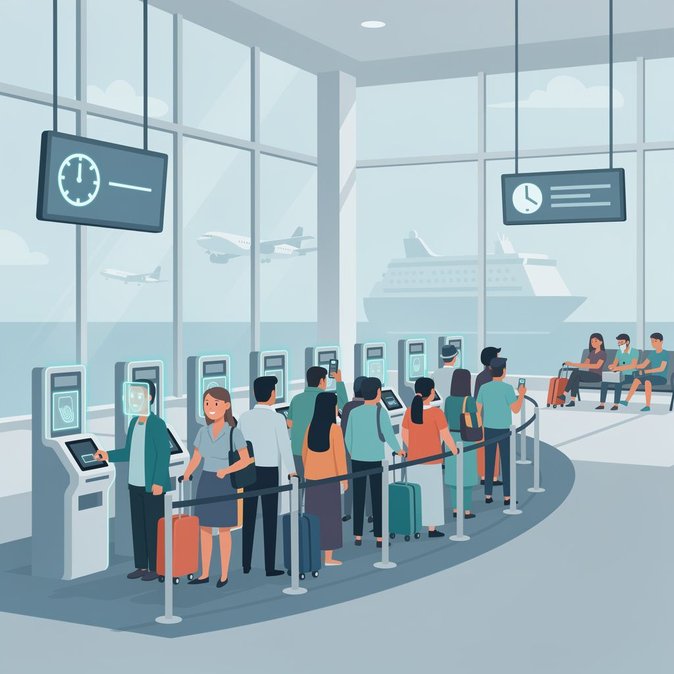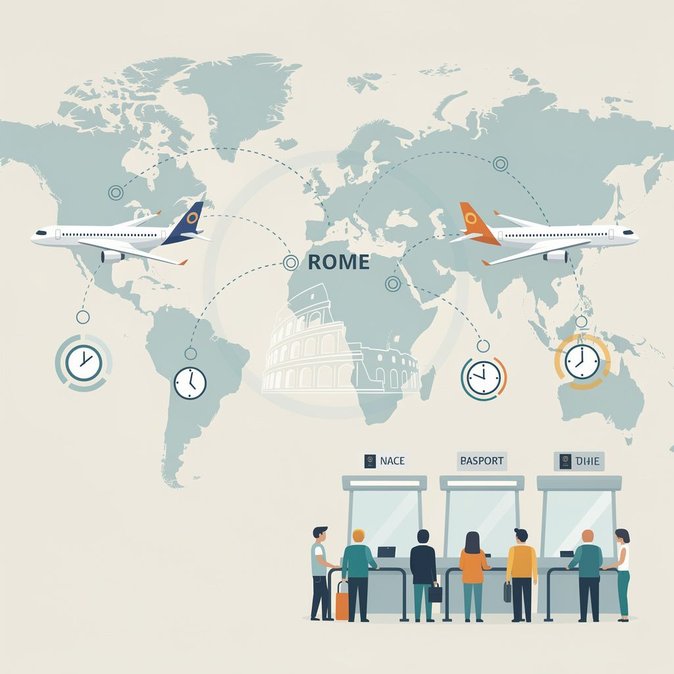
Romanian broadcaster Antena 3 and several European outlets picked up Italy’s EES concerns on 27 June 2026, quoting Aeroporti di Roma CEO Marco Troncone as saying he may allow some passengers to bypass biometric gates to avert a "summer disaster". The comments, first reported by the *Financial Times*, underscore how quickly local operational issues can morph into continent-wide headlines. The foreign coverage focuses on two scenarios under discussion: (1) waiving fingerprint capture for families with children under 12, and (2) opening staffed ‘legacy’ lanes for passengers whose flights are within 60 minutes of departure. Neither option is technically forbidden under the EES Regulation, provided border police log an exceptional-circumstance code. From a mobility-risk perspective, the media amplification matters because perception can influence policy. EU Home-Affairs officials told reporters they “will not block proportionate contingency measures”, hinting that Italy has political room to experiment. Other hubs, including Vienna and Prague, are reportedly watching Rome’s next steps before announcing their own contingency plans. Travel managers should monitor airline notifications closely; carriers may adjust minimum connection times or boarding deadlines with little notice if manual lanes are introduced. Companies running high-volume assignment travel through Rome this summer might consider rerouting via Milan or Zurich during the first two weeks of August, when pressure is expected to peak.
Source: Antena 3