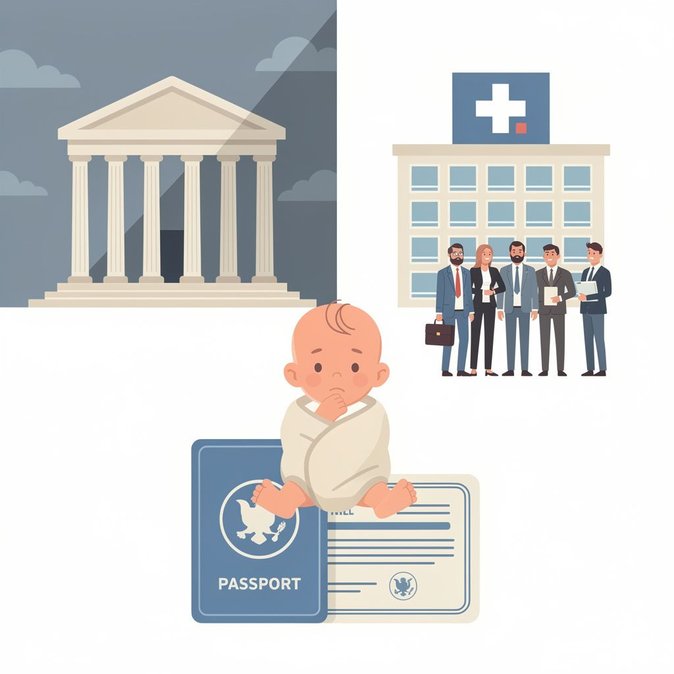
The U.S. Supreme Court is expected to hand down a decision within days on the Trump administration’s bid to restrict birthright citizenship—the principle, rooted in the 14th Amendment, that anyone born on U.S. soil is automatically a citizen. Observers say the ruling could become the most significant immigration decision in a generation, potentially denying citizenship to children born to undocumented parents. Corporate America is watching closely. A negative ruling could complicate dependent-care strategies for foreign executives, raise questions about expatriate maternity plans and create a new class of long-term U.S. residents without automatic work authorisation. Hospitals near border regions are dusting off compliance protocols last used during the 2018 ‘maternity tourism’ crackdown. The case also illustrates policy risk for global mobility budgets: companies may need to sponsor children who previously qualified for U.S. passports, adding legal fees and timeline uncertainty. Immigration attorneys recommend that pregnant employees on L-1 or H-1B status review their contingency options—including Consular Report of Birth Abroad filings for deliveries outside the United States—until the Court clarifies the law.
Source: The Independent