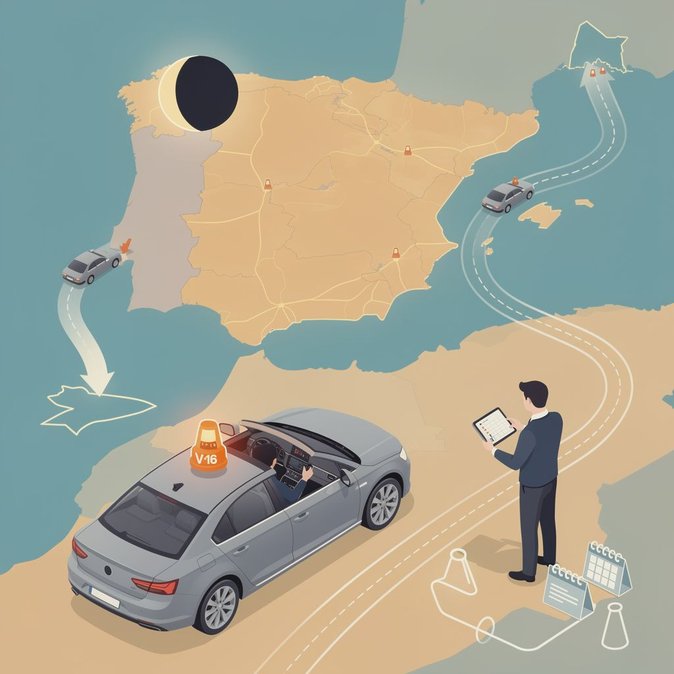
Spain’s Directorate-General for Traffic (DGT) activated its annual summer traffic plan, Operación Verano 2026, at 15:00 on 30 June. The plan anticipates more than 104 million long-distance road journeys between July and August—2.4 percent more than last year—placing Spain among Europe’s busiest holiday road networks.
For foreign visitors planning to navigate Spain's busy summer roads, ensuring that travel documents are in order is just as critical as route planning. VisaHQ’s online platform (https://www.visahq.com/spain/) simplifies the process of securing Spanish visas and other travel permits, providing step-by-step guidance, real-time status tracking and dedicated customer support—helpful whether you’re an individual tourist or a corporate mobility manager moving staff across borders.
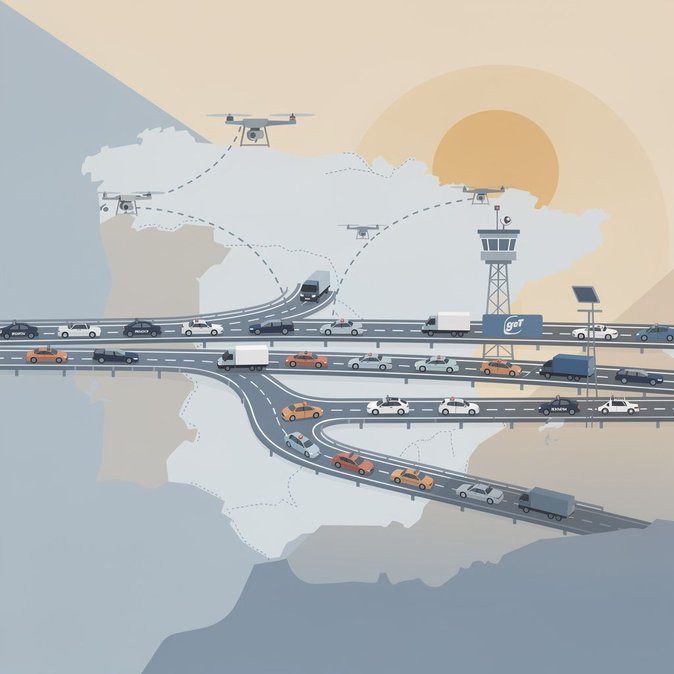
Measures include 780 additional Guardia Civil officers on major corridors, 100 mobile speed cameras, drones to monitor congestion in real time and temporary lane reversals on the A-3 and AP-7 motorways at peak hours. The DGT will also disseminate live travel-time data via its mobile app and 2,000 roadside variable-message signs. For corporate mobility managers running car fleets or employee relocations, the DGT recommends avoiding departures between 17:00 and 22:00 on Fridays and returning outside the 18:00–23:00 window on Sundays. Professional drivers exceeding nine hours of service will face roadside rest-time checks, part of Spain’s implementation of new EU Mobility Package rules. Border crossings with France at La Jonquera and Irun are flagged as potential bottlenecks, which could affect road-freight schedules for just-in-time supply chains. Logistics firms are already rerouting some cargo via sea and rail to mitigate delay risk. The plan runs in three phases (1–7 July, 1–15 August and 25 August–1 September) and will be adapted dynamically using artificial-intelligence traffic-flow models developed with the Polytechnic University of Madrid.
For foreign visitors planning to navigate Spain's busy summer roads, ensuring that travel documents are in order is just as critical as route planning. VisaHQ’s online platform (https://www.visahq.com/spain/) simplifies the process of securing Spanish visas and other travel permits, providing step-by-step guidance, real-time status tracking and dedicated customer support—helpful whether you’re an individual tourist or a corporate mobility manager moving staff across borders.
Measures include 780 additional Guardia Civil officers on major corridors, 100 mobile speed cameras, drones to monitor congestion in real time and temporary lane reversals on the A-3 and AP-7 motorways at peak hours. The DGT will also disseminate live travel-time data via its mobile app and 2,000 roadside variable-message signs. For corporate mobility managers running car fleets or employee relocations, the DGT recommends avoiding departures between 17:00 and 22:00 on Fridays and returning outside the 18:00–23:00 window on Sundays. Professional drivers exceeding nine hours of service will face roadside rest-time checks, part of Spain’s implementation of new EU Mobility Package rules. Border crossings with France at La Jonquera and Irun are flagged as potential bottlenecks, which could affect road-freight schedules for just-in-time supply chains. Logistics firms are already rerouting some cargo via sea and rail to mitigate delay risk. The plan runs in three phases (1–7 July, 1–15 August and 25 August–1 September) and will be adapted dynamically using artificial-intelligence traffic-flow models developed with the Polytechnic University of Madrid.