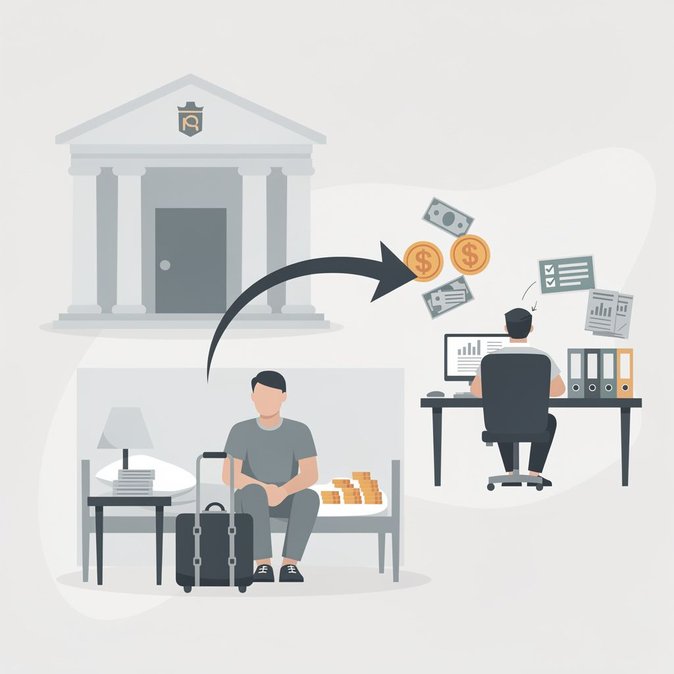
Just hours before MPs begin second-reading of the Immigration and Asylum Bill, ministers confirmed a controversial clause that will give the Home Office power to reclaim accommodation and subsistence costs from adult asylum applicants who have ‘sufficient means’. Officials estimate that the average bill for a claimant housed in taxpayer-funded hotels could reach £10,000 over the life-cycle of a case. The government argues the measure will cut the £3 billion annual asylum-support budget and deter ‘migration motivated by access to the UK welfare system’. Home Secretary Shabana Mahmood said means-testing would apply only once an individual starts lawful employment or otherwise acquires assets, and no one will be rendered destitute. Refugee charities have condemned the plan as a “tax on trauma”, warning that large debts could push recognised refugees into destitution and hinder integration. Business leaders are watching closely: the policy may increase pressure on employers who rely on asylum applicants granted the right to work, potentially affecting recruitment pipelines in food processing and logistics. The Bill also contains secondary powers to garnish wages or place charging orders on property to recover unpaid amounts. Employers may therefore face new obligations to provide payroll data to the Home Office. If enacted, the charging regime is slated to come into force in spring 2027 following detailed regulations and an appeals process. Global-mobility teams should assess whether any staff on humanitarian routes could be affected and review company support policies accordingly.
Source: Home Office – GOV.UK